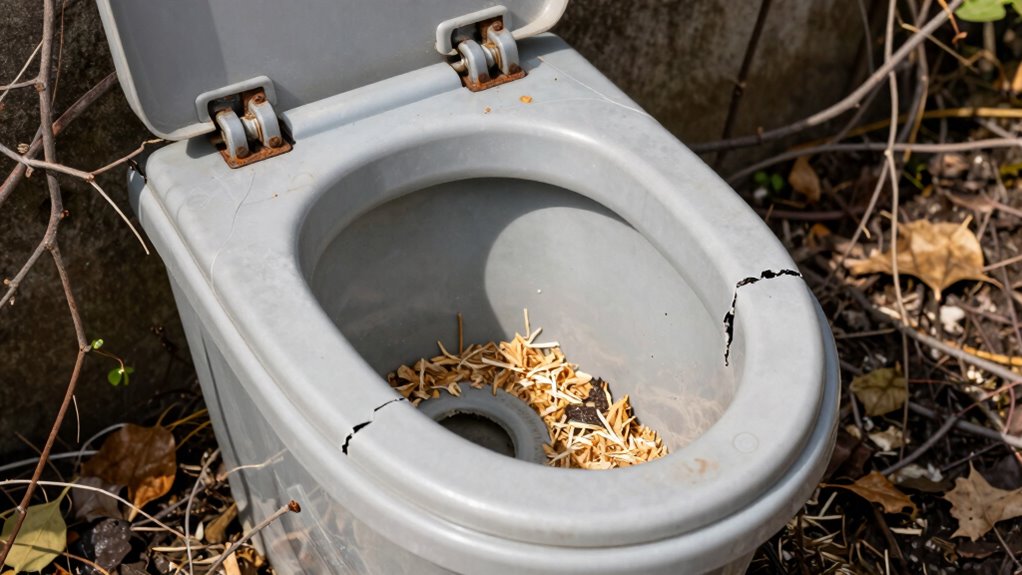

Avoid common setup mistakes that can reduce your composting toilet’s lifespan, like improper ventilation, which leads to moisture buildup and odors. Using inferior materials that won’t withstand moisture or UV exposure can cause cracks or decay. Placing the unit in humid or poorly drained areas accelerates deterioration. Poor installation, such as unstable anchoring or incorrect positioning, increases damage risk. Choosing the right durable materials and proper placement are key to longevity, and you’ll discover more tips if you keep exploring.
Key Takeaways
- Failing to ensure proper ventilation leads to moisture buildup, odors, mold, and faster deterioration.
- Using incompatible or subpar materials increases risk of cracking, warping, and early failure.
- Incorrect placement in areas with poor airflow or high humidity accelerates material degradation.
- Improper installation or inadequate anchoring causes shifting, leaks, and damage over time.
- Neglecting maintenance and choosing poor-quality components shorten the system’s lifespan.
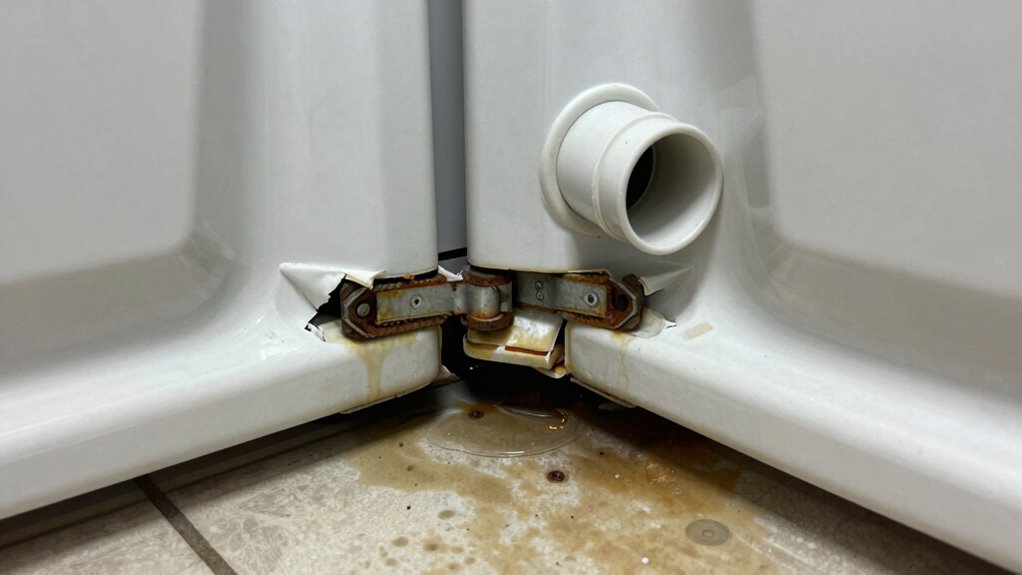
Setting up your composting toilet correctly is crucial if you want it to last. A poor installation can lead to a range of issues, and two of the most common are ventilation problems and improper material selection. Ventilation issues are often overlooked but are critical for the longevity of your unit. Without proper airflow, moisture can build up inside, creating an environment conducive to odors, mold, and even decay of the composting chamber itself. You need to guarantee your toilet has a well-designed ventilation system—this typically involves installing a vent pipe that extends outside your building or camping site. The pipe should be free of obstructions and sealed properly to prevent leaks or drafts. If you neglect ventilation, you risk not only unpleasant odors but also damaging moisture buildup that can shorten the lifespan of your composting toilet. Ensuring proper ventilation design is essential for maintaining a dry, odor-free environment inside the unit. Material selection is equally crucial during setup. Many people make the mistake of choosing subpar or incompatible materials that degrade quickly under the conditions inside a composting toilet. For example, using plastics that aren’t UV resistant or that can’t withstand constant moisture exposure may cause cracks or warping over time. You should opt for durable, non-corrosive materials like high-quality plastics, stainless steel, or treated wood designed for outdoor use. The container or composting chamber itself must be sturdy enough to handle regular use and should be constructed from materials that resist mold and decay. Poor material choices not only compromise the integrity of the unit but also lead to frequent repairs or replacements, which can be costly and inconvenient. Additionally, considering climate conditions when selecting your setup location and materials can help prevent material degradation over time. When choosing materials, it’s also important to consider their cost-effectiveness to ensure the longevity doesn’t come with prohibitive expenses. To further prevent premature deterioration, it’s important to consider installation details such as placement and anchoring. Positioning your composting toilet in a location with poor airflow or high humidity can worsen ventilation issues. Make sure it’s installed on a level, well-drained surface to prevent water from pooling around the base, which can accelerate deterioration. If you’re in a climate with heavy rainfall or high humidity, consider additional protective measures like a canopy or shed to shield the unit from the elements. Properly installing the unit and selecting appropriate materials can significantly extend its usability and reduce maintenance needs.

Xastro Complete Composting Toilet Kit with Urine Diverter & Toilet Seat Kit
- All-in-One DIY Kit: Includes urine diverter and toilet seat
- Large Opening Design: 365x276mm for enhanced comfort
- Premium Mirror-Finish ABS: Easy to clean and odor-resistant
As an affiliate, we earn on qualifying purchases.
As an affiliate, we earn on qualifying purchases.
Frequently Asked Questions
How Often Should I Empty My Composting Toilet?
You should empty your composting toilet when it’s about one-third full, which usually means every few weeks, depending on usage. To keep it functioning well, use chemical options sparingly to control odors, and make sure your ventilation systems are working properly to promote airflow. Regular emptying prevents overloading, reduces odors, and extends the toilet’s lifespan, so stay attentive to its capacity and maintain your ventilation for peak performance.
Can I Use Chemical Additives in a Composting Toilet?
You can use chemical additives, but only if they’re compatible with your composting toilet. Chemical compatibility guarantees the additives won’t disrupt the composting process or damage the system. To stay safe, choose additive safety products designed specifically for composting toilets. Always read labels carefully, and avoid harsh chemicals that could kill beneficial microbes. Properly selected additives can help manage odors and moisture without compromising your toilet’s longevity.
What Is the Ideal Ventilation Setup for Longevity?
To guarantee your composting toilet lasts longer, you need an ideal ventilation setup that maximizes ventilation efficiency and odor control. Install a quiet, powerful exhaust fan that vents outdoors, preventing odors from lingering. Use a vent pipe with a screen to keep pests out. Regularly check that airflow remains unobstructed. This setup keeps moisture levels balanced, reduces odors, and promotes proper composting, ultimately extending your toilet’s lifespan.
How Does Climate Affect Composting Toilet Maintenance?
Climate impact directly influences your composting toilet’s maintenance challenges. In humid environments, you’ll find yourself battling odors and mold, turning a simple task into a mini swamp adventure. Cold climates slow down composting, requiring extra insulation and patience. Hot, dry weather might seem ideal, but it can cause rapid drying and unpleasant smells. So, while climate seems to make maintenance more exciting, it’s really just about staying ahead of nature’s surprises.
Are There Specific Brands Better for Durability?
Some brands are known for better durability due to their focus on brand reliability and product longevity. You should look for reputable brands like Nature’s Head, Separett, or Compostera, which have a strong track record of lasting longer with proper use. These brands often use high-quality materials and solid construction, ensuring your composting toilet remains functional for years. Investing in trusted brands helps prevent early breakdowns and maximizes your toilet’s lifespan.
Conclusion
By avoiding these common setup mistakes, you’ll dramatically extend your composting toilet’s lifespan and guarantee it functions smoothly. Remember, proper installation and regular maintenance are key. Did you know that improperly set up composting toilets can reduce their lifespan by up to 50%? Taking the time to do it right not only saves you money but also helps protect the environment. Keep these tips in mind, and your composting toilet will serve you well for years to come.