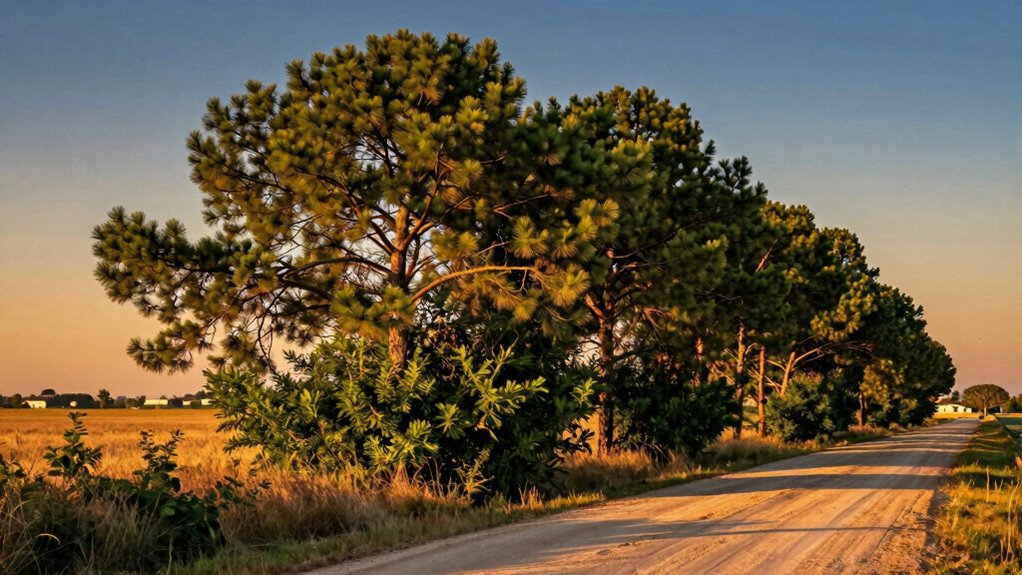

Windbreaks are more crucial than most new homesteaders realize because they protect your land, structures, and crops from harsh winds. They help prevent soil erosion, preserve fertility, and create a stable microclimate for plants and animals. Windbreaks also enhance wildlife habitat and boost overall land resilience, making your homestead healthier and more sustainable. If you want to uncover how these natural barriers can transform your land, keep exploring their many benefits.

Get furniture and decor delivered free with Prime
- Fast, free delivery on millions of items
- Prime Video, Amazon Music and more included
- Member-only deals all year
Key Takeaways
- Windbreaks protect land, structures, and crops from strong winds, reducing damage and preserving property value.
- They prevent soil erosion and nutrient loss, ensuring long-term land fertility and productivity.
- Windbreaks support wildlife habitat, promoting ecological balance and natural pest control.
- They moderate microclimates, helping retain moisture and reducing temperature extremes for healthier plants.
- Windbreaks enhance land resilience and sustainability by reducing wind-related damage over time.
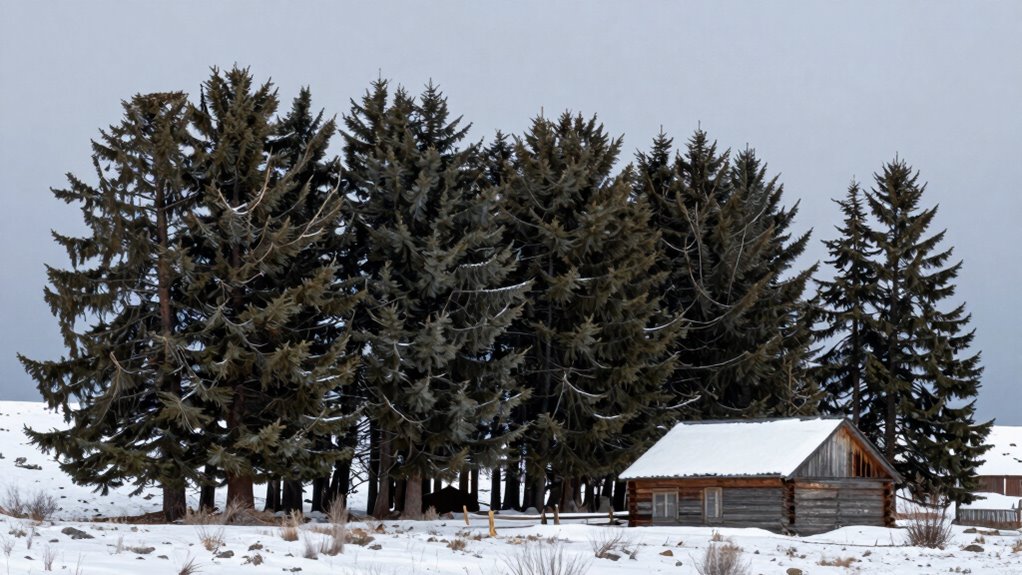
Have you ever wondered how to protect your homestead from harsh winds and soil erosion? Windbreaks are often overlooked, but they play an essential role in maintaining your land’s health. When you plant a row of trees or shrubs strategically, you create a barrier that reduces the force of strong winds. This not only shields your crops and structures but also helps sustain the natural balance of your land. One of the key benefits of windbreaks is their ability to prevent soil erosion. When wind speeds increase, bare soil can be blown away, stripping away the nutrients your soil needs to support healthy plants. By installing windbreaks, you slow down wind velocity near the ground, giving your soil a much-needed reprieve. Over time, this preservation keeps your land fertile and productive, reducing the need for costly soil amendments or replanting. Additionally, windbreaks can serve as a household safety feature by reducing debris and dust that can pose risks to residents or livestock. Properly planned and maintained, windbreaks can also influence the microclimate around your land, creating a more stable environment for your plants and animals. Incorporating native plant species into your windbreaks can further enhance their ecological benefits and resilience. Beyond soil preservation, windbreaks markedly enhance wildlife habitat. Native birds, insects, and small mammals often find shelter within the dense foliage of trees and shrubs. These natural barriers create microenvironments that offer food, nesting sites, and protection from predators. As a homesteader, fostering diverse wildlife isn’t just about supporting local ecosystems; it also benefits your farm’s health. Birds can help control pest populations, and pollinators thrive in a well-vegetated area. Windbreaks, thus, serve as a critical link connecting your land’s productivity with its ecological stability. You might also notice that windbreaks influence the microclimate around your homestead. They can moderate temperature extremes, retain moisture in the soil, and reduce wind chill, making outdoor work more comfortable and efficient. Creating healthy soil conditions is essential for long-term land productivity, and windbreaks contribute to this goal by reducing soil erosion and maintaining soil integrity. This creates a more stable environment for your plants and animals, which translates into healthier yields and livestock. When you consider the long-term benefits, it becomes clear that windbreaks are an investment in your homestead’s resilience. They protect your land from the destructive force of wind while nurturing the local ecosystem, especially when designed with ecological principles in mind.
As an affiliate, we earn on qualifying purchases.
Frequently Asked Questions
How Do Windbreaks Affect Local Wildlife and Biodiversity?
Windbreaks considerably benefit local wildlife and biodiversity by acting as wildlife corridors, allowing animals to safely move between habitats. They create biodiversity hotspots, supporting various species with food, shelter, and nesting sites. By reducing wind and erosion, windbreaks also help preserve delicate ecosystems. As a homesteader, planting windbreaks enhances habitat diversity, encouraging a thriving, balanced environment for birds, insects, and other wildlife around your property.
What Are the Best Native Trees for Windbreaks in My Area?
When choosing native trees for windbreaks, it’s best to focus on local varieties suited to your climate. Think about species like pecan, cottonwood, or yew, which thrive naturally and support your ecosystem. Using proper planting techniques—such as spacing and soil preparation—ensures healthy growth. This approach creates a resilient windbreak that protects your land, encourages biodiversity, and seamlessly blends into your landscape, making your homestead more sustainable and inviting.
How Much Maintenance Do Windbreaks Typically Require?
Windbreaks generally need maintenance once or twice a year, depending on your climate and tree type. You should focus on pruning techniques that remove dead or diseased branches to promote healthy growth, shape the trees, and maintain their effectiveness. Regular inspections help catch issues early, and trimming during the dormant season minimizes stress on the trees. Consistent upkeep keeps your windbreaks strong and effective for years to come.
Can Windbreaks Be Combined With Other Landscape Features?
Yes, you can absolutely combine windbreaks with other landscape features to create a stunning, functional space. Imagine a seamless landscape integration where your windbreak supports your vegetable garden, frames a scenic pathway, or complements a pond’s natural beauty. This strategic pairing not only enhances aesthetic appeal but also boosts protection, making your homestead more resilient. Careful planning turns simple wind protection into a mesmerizing landscape centerpiece.
What Is the Cost-Benefit Analysis of Installing Windbreaks?
Installing windbreaks offers good cost efficiency by reducing heating costs and protecting crops, leading to long-term savings. While initial expenses can be significant, the environmental impact is positive, as windbreaks promote biodiversity and decrease soil erosion. You’ll benefit from improved crop yields and energy savings over time, making the investment worthwhile. Overall, the benefits outweigh costs, especially when considering both economic and ecological advantages.
Conclusion
Remember, planting windbreaks can reduce your heating costs by up to 25%, making a huge difference on your homestead budget. They also protect your crops, livestock, and property from harsh winds, saving you time and money on repairs. Don’t overlook their value—studies show that well-placed windbreaks can improve crop yields by 10-15%. Embrace this simple but powerful tool, and you’ll create a more resilient, efficient homestead that stands strong against the elements.
Fall Picks
fall essentials
As an affiliate, we earn on qualifying purchases.