
TL;DR

Get furniture and decor delivered free with Prime
- Fast, free delivery on millions of items
- Prime Video, Amazon Music and more included
- Member-only deals all year
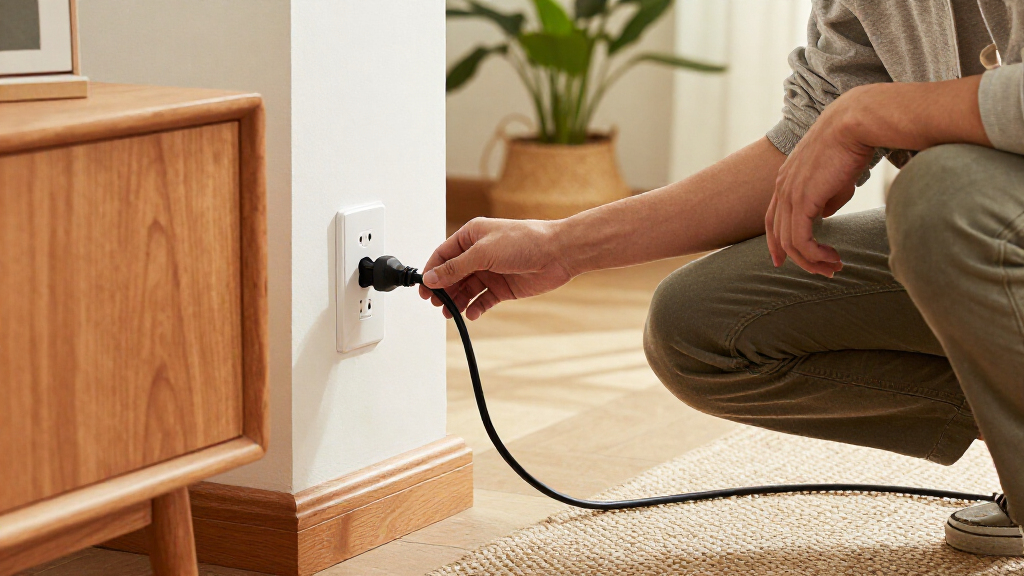
Small holes in some electrical plug prongs originally matched bumps inside older outlets to help keep plugs from slipping out. Modern outlets grip the blades without those bumps; manufacturers may still use the holes during production or to attach safety tags, but the holes do not improve electrical flow or provide grounding.
Small holes in some electrical plug prongs began as a way to help plugs stay in older outlets, according to a Family Handyman report drawing on guidance from the National Electrical Manufacturers Association (NEMA). Modern outlets grip the prongs themselves, while manufacturers may retain the holes for production purposes or to attach tags; the feature is not required by U.S. plug standards and does not carry electricity or provide grounding.
On some plugs, each flat metal blade has a small circular opening near its tip. In older outlet designs, small bumps inside the receptacle could fit into those openings after the plug was inserted. That fit helped keep the plug from slipping out. The arrangement changed as outlet requirements focused on holding plugs securely without the bumps.
NEMA says manufacturers largely stopped putting these detent bumps on the outlet’s female contacts because they made plugs harder to withdraw and did not help satisfy the minimum retention requirement. Modern receptacles rely on their contacts to grip the blades. The holes themselves are therefore not necessary for the connection to work.
Today, some manufacturers use the openings to hold blades in position during plug production. They can also be used to attach a small safety tag or lock to an unplugged appliance. Neither use makes the holes a substitute for proper safety equipment or procedures. The Occupational Safety and Health Administration has separate requirements for controlling hazardous energy during certain workplace maintenance.
What the Holes Do—and Do Not Do
Knowing what the holes mean can help consumers avoid mistaken assumptions about plug safety. They are not childproofing features: tamper-resistant receptacles use internal shutters that block access when someone tries to insert an object into just one opening. The Electrical Safety Foundation International says these receptacles work like standard outlets when a proper plug is inserted.
The holes also do not carry current or determine whether a plug is grounded. On a three-prong plug, the round third prong provides the grounding connection; the two flat blades serve their electrical roles whether or not they have holes. The feature is a design detail, not an indicator that a plug is safer, more powerful or properly grounded.
Outlet fit is more relevant to everyday safety. If a plug repeatedly slips out, the receptacle may no longer grip it properly and may need replacement. That is different from a plug blade having holes, which is normal on some designs. Consumers should not force a damaged plug into a receptacle or treat a loose connection as a harmless quirk.
Products Worth Considering

DREAME A3 AWD 1000 LiDAR Robot Lawn Mower

Hisense E6SR Series 55-Inch 4K UHD Hi-QLED Roku Smart TV

Blueair Blue Pure 211i Max Air Purifier for Large Rooms
As an affiliate, we earn on qualifying purchases.
How Outlet Retention Changed
The original hole-and-bump arrangement was a mechanical way to resist a plug being pulled free. According to the NEMA explanation cited by Family Handyman, outlet makers moved away from the bumps because they increased withdrawal force without helping meet the minimum holding requirement. The newer approach relies on the receptacle’s contacts gripping the blades.
U.S. plug standards do not require holes in the blades. NEMA does specify their size and placement when manufacturers include them, according to the report. That distinction explains why plugs can look different while still following applicable requirements: the holes are optional, and their presence does not define how the plug conducts electricity.
Child-resistant protection is a separate development. Tamper-resistant receptacles have shutters inside the outlet openings, rather than relying on holes in a plug. ESFI says users may feel the shutters engage when inserting a plug. If unusually strong force is needed, the plug itself could be damaged, the organization advises.
What Varies Between Plug Designs
The report explains common uses for holes but does not identify which purpose applies to every individual plug. A manufacturer may use them during production, to attach a tag or lock, or simply include them as part of a blade design. The feature alone does not reveal a plug’s age, condition or safety rating.
The report describes loose plugs as a possible sign that an outlet may need replacement, but it does not diagnose any particular receptacle. The condition of the outlet, plug and wiring cannot be determined from the presence or absence of blade holes. No new regulation, product change or enforcement action is reported.
Check the Plug and Receptacle
For consumers, the practical takeaway is to judge a plug and outlet by their condition and fit, not by whether the blades have holes. A plug should connect without unusual force and should not repeatedly fall or slide out. If a receptacle cannot hold a plug securely, stop relying on it and arrange an appropriate repair or replacement.
Outlet replacement involves electrical work. Homeowners should follow local code and permit requirements and use a licensed electrician when they are not qualified to do the work; power must be switched off and verified before any authorized repair, with appropriate protective equipment. For workplace equipment maintenance, follow applicable OSHA hazardous-energy control procedures. The cited sources do not announce a forthcoming standards change.
Key Questions
Do the holes in plug prongs help electricity flow?
No. The holes do not improve electrical flow. The flat blades make the electrical connection whether or not they have openings.
Are the holes a child-safety feature?
No. Tamper-resistant receptacles use internal shutters to block access when an object is inserted into one opening. The holes in plug blades do not provide that protection.
Do the holes ground a three-prong plug?
No. The round third prong handles the grounding connection. The two flat blades work the same way with or without holes.
Should I replace an outlet if a plug slips out?
A plug that repeatedly slips out may indicate that the outlet is not gripping it properly, and the receptacle may need replacement. Do not assume the holes in the plug are the cause; electrical repairs should follow local requirements and be handled by a qualified professional when needed.
Source: familyhandyman.com