In mountain hollers, seed saving is key to growing resilient, region-specific plants. Focus on saving seeds from heirloom, open-pollinated varieties, making sure plants are fully mature before harvest. Keep seeds clean, dry, and stored in cool, dark places in airtight containers. Protect against cross-pollination by using isolation methods. Proper seed saving helps guarantee your garden stays sustainable, diverse, and suited to your environment—continue exploring to learn how to master these techniques effectively.
Key Takeaways
- Select heirloom, open-pollinated plants that are well-adapted and disease-resistant for reliable seed saving.
- Allow plants to fully mature and set seed, such as ripening tomatoes on the vine or dry beans until pods are brittle.
- Use airtight containers and store seeds in a cool, dark, dry location to preserve viability and prevent mold.
- Isolate different varieties through distance or physical barriers to prevent cross-pollination and maintain genetic purity.
- Regularly check stored seeds for deterioration and label batches with variety and harvest date for organized preservation.

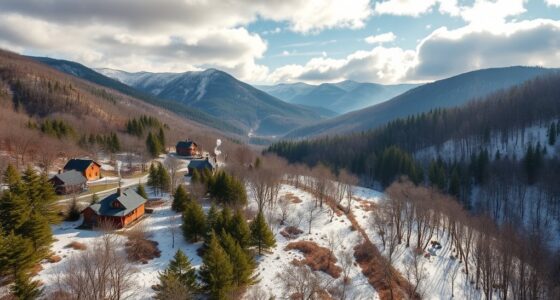
In mountain hollers where growing seasons can be unpredictable, saving your own seeds becomes an essential skill for sustainable gardening. When you save seeds, you’re not only ensuring a reliable supply of plants but also preserving the unique qualities of heirloom varieties that thrive in your specific environment. These traditional varieties often have better flavor, resilience, and adaptability compared to commercial hybrids. By selecting seeds from the healthiest, most productive plants, you help maintain the genetic diversity that’s vital for your garden’s long-term success. Plus, saving seeds reduces your dependence on store-bought options, saving you money and fostering self-sufficiency.
To start, you’ll want to identify the best plants to save seeds from. Focus on heirloom varieties because they are open-pollinated, meaning their seeds will reliably produce plants similar to the parent. Unlike hybrids, which may not come true from seed, heirlooms preserve historical and regional plant traits, making them ideal for mountain hollers. You should select plants that are vigorous, disease-resistant, and well-adapted to your local climate. Allow these plants to fully mature and set seed before harvesting. For example, let your tomatoes ripen completely on the vine, or let your beans mature until the pods are dry and brittle.
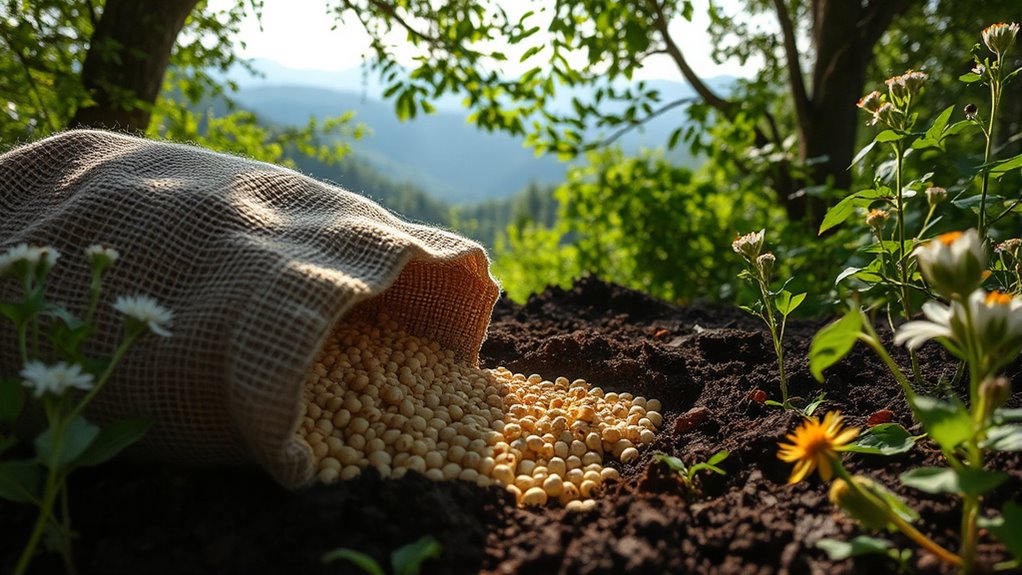
Once you’ve harvested your seeds, proper seed preservation techniques are essential to guarantee viability over time. Clean and dry your seeds thoroughly to prevent mold and rot. Store them in airtight containers such as glass jars or paper envelopes, kept in a cool, dark, and dry location. Consistent temperature and low humidity are key to maintaining seed vigor. Label each batch clearly with the plant variety and harvest date, so you know what you’re planting next season. It’s also helpful to periodically check stored seeds for signs of deterioration or pests. Understanding the reproductive cycle of your plants can help you optimize seed collection and improve your success rate in future seasons.
Seed saving isn’t just about collecting seeds; it involves understanding the plant’s reproductive cycle and managing pollination. In mountain hollers, where wild pollinators are abundant, you might need to take measures to prevent cross-pollination if you’re saving seeds from specific varieties. Using isolation techniques like row covers or planting different varieties at a distance can help maintain genetic purity. Over time, practicing these seed preservation techniques will improve your ability to produce healthy, resilient plants, tailored to your mountain environment.
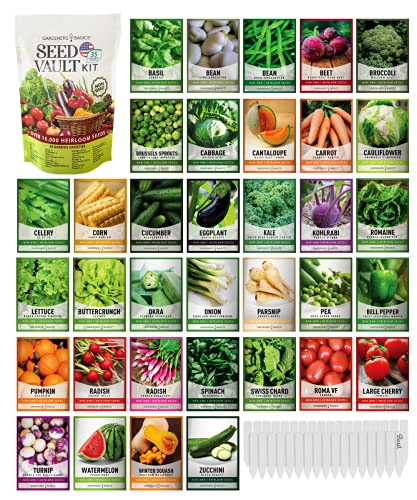
Gardeners Basics Survival Vegetable Seeds Garden Kit Over 16,000 Seeds Non-GMO and Heirloom, Great for Emergency Bugout Survival Gear 35 Varieties Seeds for Planting Vegetables 35 Free Plant Markers
ASSORTMENT – 35 easy to grow vegetable varieties and over 16,000 seeds. All non-GMO and heirloom varieties. Our…
As an affiliate, we earn on qualifying purchases.
As an affiliate, we earn on qualifying purchases.
Frequently Asked Questions
How Do I Prevent Cross-Pollination Between Different Plant Varieties?
To prevent cross-pollination, you should use pollination barriers like row spacing, planting different varieties far apart, or physical isolation techniques such as fencing or covers. These methods help keep pollen from neighboring plants from mixing. Additionally, timing your plant’s flowering periods can reduce chances of cross-pollination. By combining these isolation techniques, you’ll maintain distinct varieties and guarantee successful seed saving.
What Are the Best Storage Methods for Seed Longevity in Mountain Climates?
Imagine your seeds transforming into tiny time capsules, preserving their essence for years. To achieve this, you should thoroughly dry your seeds until they’re crisp—no moisture left—before storing. Use airtight containers and keep them in a cool, dark place, ideal for mountain climates. Don’t forget to label each batch clearly, so you remember their origins and varieties. Proper seed drying and labeling ensure your seeds stay viable through the seasons.
When Is the Optimal Time to Harvest Seeds in Mountain Hollers?
You should harvest seeds when they reach full seed maturity, usually indicated by dryness and color changes specific to each plant. Timing is key to prevent premature harvest, which can interfere with seed dormancy and reduce viability. Wait until seeds are fully mature and naturally separate from the plant, then dry them thoroughly before storage. Proper timing ensures healthier germination and longer seed longevity in mountain climates.
How Does Altitude Affect Seed Viability and Germination Rates?
Altitude impact can cause germination challenges because higher elevations often have cooler temperatures and lower oxygen levels. These conditions may slow seed sprouting or reduce viability. You might notice seeds take longer to germinate or have lower success rates. To improve germination, consider stratifying seeds or selecting varieties adapted to your altitude. By understanding these factors, you can better manage seed saving and achieve healthier plant growth in mountain hollers.
Are There Specific Pests That Threaten Seed Collection in Mountain Areas?
Imagine your seeds as precious treasures, vulnerable to wildlife disturbances like deer or rodents that see them as food. These pests threaten your collection, and soil contamination from insects or invasive plants can also spoil your harvest. You must vigilantly guard your seeds, ensuring they stay pure and safe. By understanding these threats, you can develop strategies to protect your seeds from nature’s unpredictable challenges.

ARSUNOVO 64 Solts Seed Storage Box with 112Pcs Label Sticker and a Tweezers,Diamond Painting Organizer,Portable Bead Storage,Seed Organizer Use for Flower Seeds,Vegetable Seeds.
[LARGER STORAGE SPACE] The package includes 1 big plastic storage box + 64 small containers+ 1 tweezers This…
As an affiliate, we earn on qualifying purchases.
As an affiliate, we earn on qualifying purchases.
Conclusion
So, next time you toss those seeds aside like they’re worthless junk, think again. In mountain hollers, saving seeds isn’t just about tradition—it’s your tiny rebellion against corporate giants and genetic modification. Remember, every saved seed is a vote for independence, resilience, and a little bit of stubborn mountain spirit. So go ahead, hoard those heirlooms. After all, who needs fancy grocery store produce when you can keep a legacy alive—one sneaky seed at a time?

BRIVADO Herb Drying Rack Hanging Mesh 4 Layer 18" with Zipper, Garden Pruning Shear, Hook & Carabiner Clip for Drying Herbs, Plants, Seeds, Buds | Hydroponics & Grow Tents Herb Dryer Hanging Rack
🌫️【Optimal Air Circulation】Breathable mesh drying rack for herbs ensures superior airflow, speeding up the herb drying process. Each…
As an affiliate, we earn on qualifying purchases.
As an affiliate, we earn on qualifying purchases.

Wedmetal 30 Pcs Plant Protectors from Animals,Protect Plants from Deer 10 Sets Metal Plant Cages Animal Intrusion Barrier Wire Mesh Easy to Assemble/Store Vegetable Garden Protection 12 * 12“
DIY Plant Protector Kit: Includes 30 metal mesh panels (12×12-inch horticultural mesh), 30 ground stakes, 150 plastic ties,…
As an affiliate, we earn on qualifying purchases.
As an affiliate, we earn on qualifying purchases.