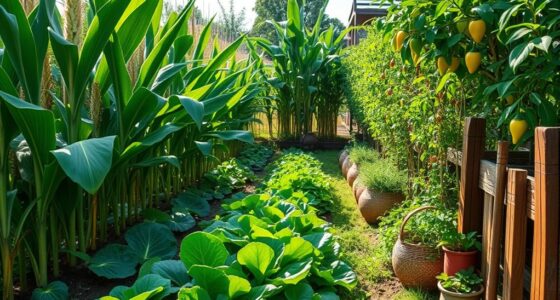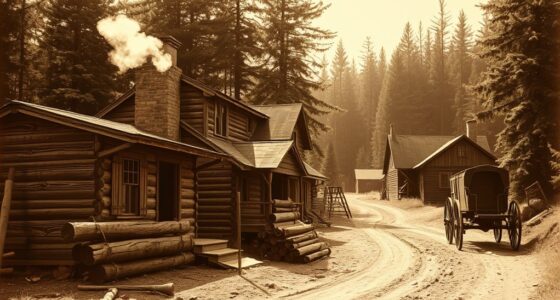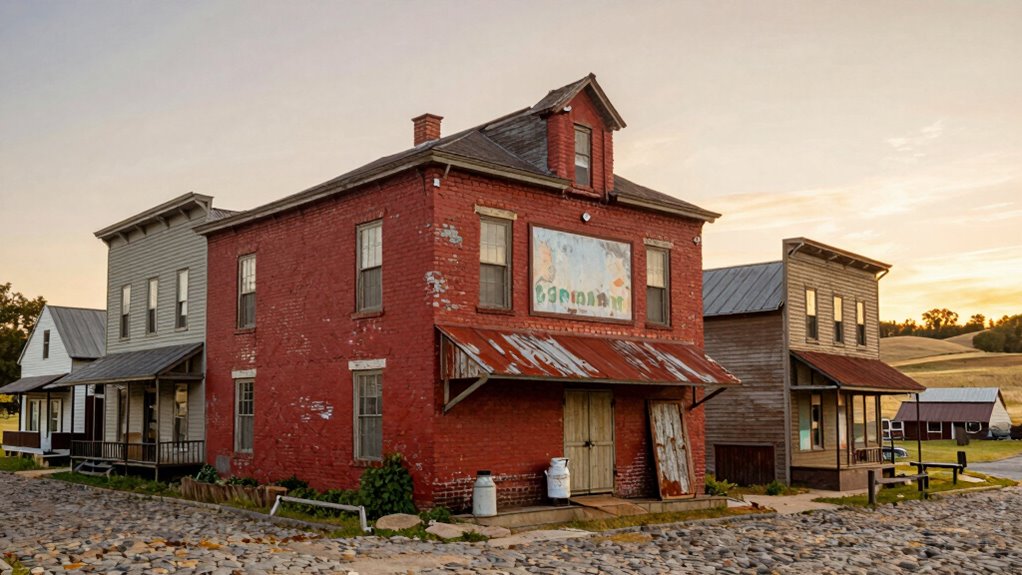

Old creamery towns once served as essential centers for rural life, where you’d find farmers bringing milk, socializing, and supporting local businesses. These towns thrived around dairy processing, fostering community bonds and cultural heritage. Technological advances in refrigeration and pasteurization shifted industry focus to larger plants, but many historic creamery buildings remain as symbols of resilience. If you keep exploring, you’ll discover how these towns continue to influence regional identities and heritage preservation today.

Get furniture and decor delivered free with Prime
- Fast, free delivery on millions of items
- Prime Video, Amazon Music and more included
- Member-only deals all year
Key Takeaways
- Old creamery towns served as social and economic centers for rural dairy farming communities.
- Technological advances shifted industry from small creameries to larger centralized processing plants.
- Many historic creamery buildings are preserved as museums or community spaces, symbolizing rural heritage.
- These towns fostered community bonds and reflect resilience amid economic and industrial changes.
- Preserved creamery sites boost tourism and offer insights into rural life and industry evolution.
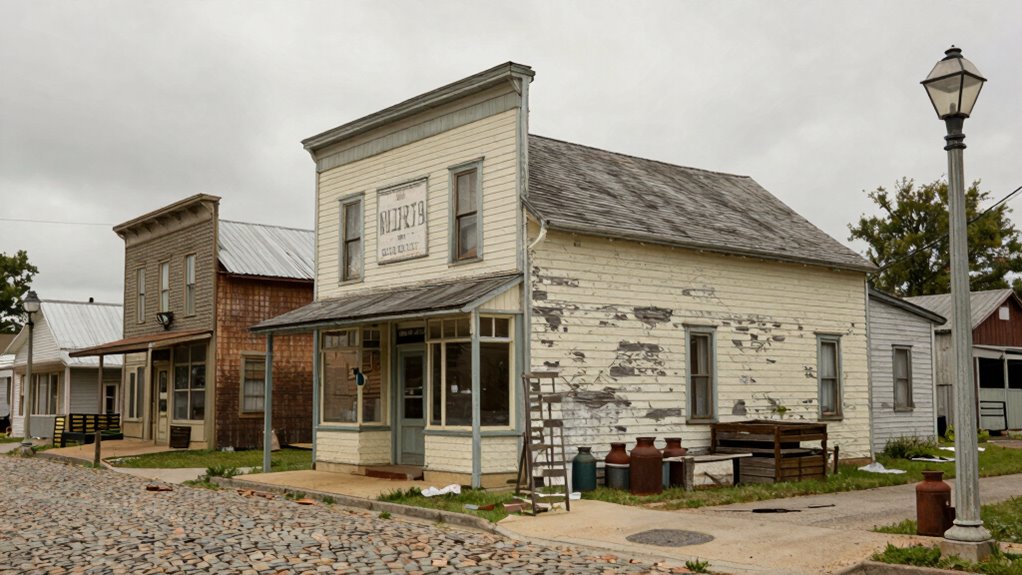
Have you ever wondered what life was like in the small towns that once thrived around old creamery sites? These towns played a vital role in rural communities, serving as hubs for dairy industry evolution and social interaction. As you explore their history, you’ll see how they transformed from bustling centers of milk processing to quiet remnants of a bygone era. The dairy industry’s growth in the late 19th and early 20th centuries fueled these towns’ development. Small farmers brought their milk to local creameries, where it was turned into butter, cheese, and other dairy products. This process created a tight-knit economy, with residents working together and supporting local businesses. Over time, technological advances like bulk tanks, pasteurization, and refrigerated transportation revolutionized dairy production. These innovations increased efficiency, but they also gradually shifted the industry away from small, community-based creameries toward larger, centralized processing plants. You can trace this evolution in the architecture of the old creamery buildings, many of which are remarkably preserved today. Some towns have made efforts to maintain their historical structures, recognizing their significance as symbols of rural heritage. These buildings, often constructed with sturdy brick or timber, stand as relics of a time when dairy farming was central to local life. Architectural preservation allows you to step back in time and appreciate the craftsmanship and design that went into these facilities. Many of these structures have been repurposed as museums, community centers, or event spaces, keeping their legacy alive. When you walk through these preserved sites, you get a tangible sense of the community spirit that once thrived there. The creamery was more than just a processing plant; it was a social anchor where farmers, workers, and townspeople gathered, shared news, and built relationships. As the dairy industry evolved, many of these towns faced decline, but their preserved buildings serve as a reminder of their vibrant past. They highlight how architecture can tell stories of economic change, technological progress, and community resilience. Today, these old creamery towns offer a glimpse into a rural way of life that centered around dairy farming and local enterprise. Preserving their architectural heritage guarantees that future generations can learn about the essential role these towns once played in shaping regional economies. By understanding their history, you gain insight into how rural communities adapted to industry shifts and technological advancements, safeguarding their legacy endures. Additionally, the preservation of these structures helps foster cultural heritage and promotes local tourism, ensuring that their stories continue to be shared.
creamery town historical site tours
As an affiliate, we earn on qualifying purchases.
As an affiliate, we earn on qualifying purchases.
Frequently Asked Questions
What Economic Factors Led to the Decline of These Creamery Towns?
You see, the decline of these creamery towns happened mainly because of the dairy industry decline and transportation shifts. As dairy farming became less profitable and larger operations took over, small creameries couldn’t compete. Plus, improvements in transportation meant milk could be shipped farther away more easily, reducing local demand. This combination of economic factors led to the decline, transforming once-bustling towns into quieter, less active places.
Are Any of These Towns Experiencing a Revival Today?
Many of these towns are experiencing a revival today, fueled by a renewed appreciation for farmstead traditions and the dairy industry legacy. You might notice local festivals celebrating dairy history or new artisanal creameries emphasizing traditional methods. These efforts help preserve their heritage, attract visitors, and support small-scale farming. By embracing their roots, these towns are revitalizing their communities and maintaining their unique identities in a modern world.
How Did Creamery Towns Influence Regional Culture and Identity?
You might think creamery towns only faded away, but they deeply shaped regional culture and identity. Their local dairy traditions fostered a sense of community pride, creating shared customs and stories that still resonate today. These towns influenced local cuisine, festivals, and social values, leaving a lasting legacy. By understanding their role, you see how these communities helped mold regional character through their dairy heritage and communal spirit.
What Architectural Features Are Unique to Old Creamery Towns?
You’ll notice that old creamery towns feature distinctive historical architecture, like large brick buildings with tall, arched windows and sturdy cornices, reflecting their industrial past. These structures often serve as community gathering spots, emphasizing social ties. You might see remnants of old silos or loading docks, which highlight their functional design. These architectural features tell stories of a thriving dairy industry and foster a strong sense of local identity.
Are There Any Annual Festivals Celebrating Creamery Town Heritage?
Ever wondered if creamery towns celebrate their dairy farming traditions? Many do, hosting annual festivals that highlight local heritage through dairy-themed events, parades, and tastings. These celebrations honor the history of dairy farming and keep community spirit alive. Participating in these festivals lets you experience authentic local culture, connect with residents, and appreciate the legacy that shaped these towns’ identities. It’s a festive way to celebrate their proud heritage.
Conclusion
You might wonder if these old creamery towns truly faded away, but history suggests they never fully disappeared—they just transformed. Many still hold onto their roots, quietly preserving the legacy of rural life. Could it be that these towns, once essential centers, are secretly waiting for a revival? Keep an eye out; perhaps their stories aren’t over yet, and the next chapter could surprise us all.
Halloween Picks
halloween
As an affiliate, we earn on qualifying purchases.