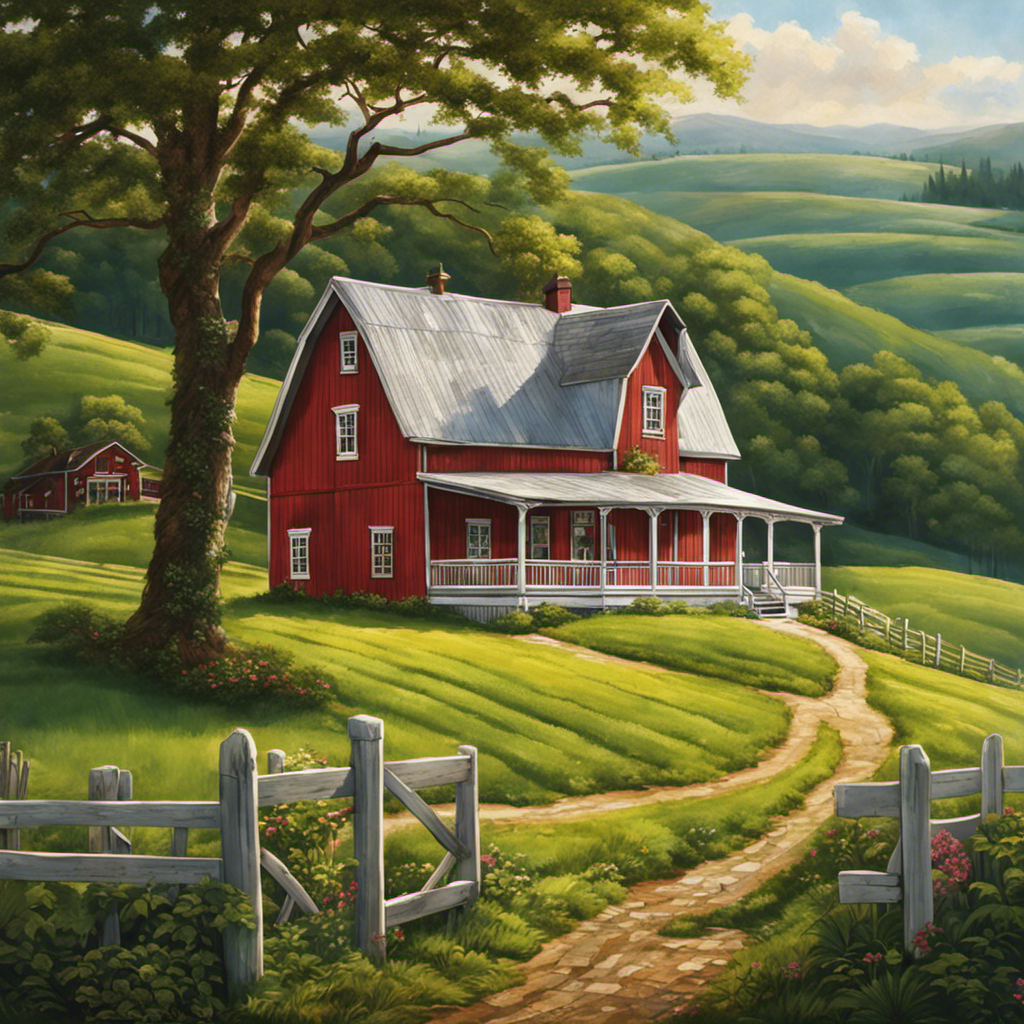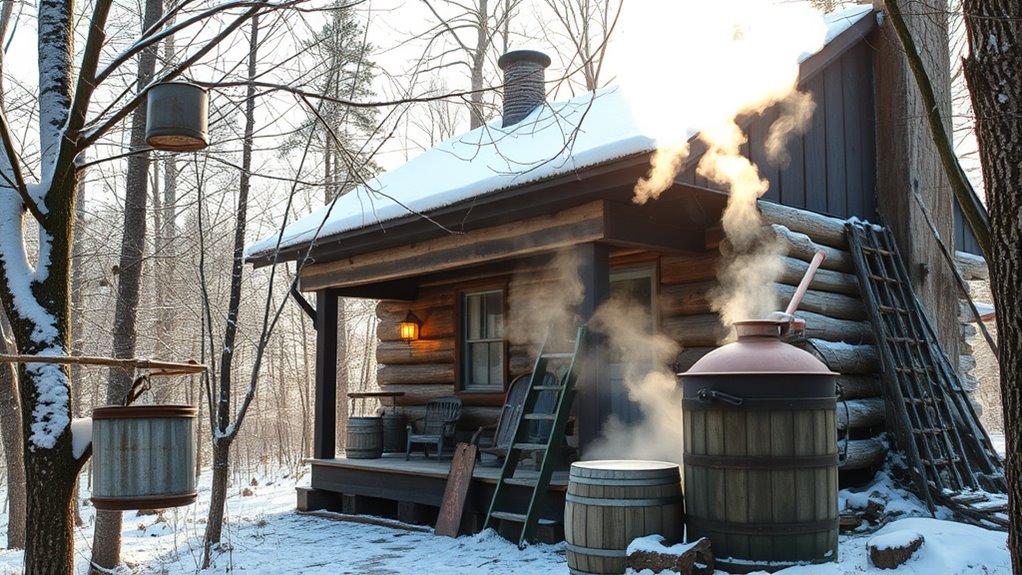

When visiting a maple sugaring house, respecting traditions and community customs is key. Be mindful of the equipment, listen to guides, and participate respectfully in storytelling or tastings. Savor the fresh syrup by swirling it on your tongue and starting with lighter varieties before darker ones. Show curiosity and ask questions to deepen your understanding. Proper etiquette helps preserve this cherished craft for future generations—keep exploring to discover more about these timeless traditions.
Key Takeaways
- Communities preserve maple sugaring traditions through shared history, craft, and storytelling passed down across generations.
- Proper etiquette involves respecting equipment, listening to guides, and engaging respectfully in the sugaring process.
- Tasting tips include savoring fresh syrup’s complexity, starting with lighter varieties, and cleansing the palate between samples.
- Engaging with the process through questions, storytelling, and participation fosters community spirit and tradition preservation.
- Visiting a sugarhouse offers insight into local history, craftsmanship, and the cultural significance of maple sugaring customs.

Have you ever wondered how communities keep their maple sugaring traditions alive? It’s a fascinating blend of history, craft, and camaraderie that’s passed down through generations. When you visit a sugarhouse, you’re stepping into a space where respect and shared knowledge are crucial to preserving these customs. Sugarhouse etiquette isn’t just about manners; it’s about honoring the process and the people who’ve dedicated their lives to this craft. As you tour the facility, be mindful of the equipment, avoid touching anything unless invited, and listen carefully to the guides. They often share stories and tips that deepen your appreciation for the tradition. If you get the chance to sample the syrup, keep a few syrup tasting tips in mind. First, remember that fresh syrup is more vibrant and complex than you might expect—don’t just slurp it down; take a moment to savor its richness. Swirl a small amount on your tongue to pick up subtle flavors like caramel, vanilla, or even hints of fruit. When tasting different batches, do so with an open mind and a clear palate. Cleanse your palate with a sip of water between tastings to truly distinguish each unique flavor profile. It’s also helpful to start with lighter syrups, which are usually less sweet and more delicate, then move on to the darker, bolder varieties. Don’t be afraid to ask questions—most sugarhouse hosts love sharing their knowledge and can recommend the best ways to enjoy the syrup. Your curiosity not only enriches your experience but also supports the ongoing tradition. Engaging responsibly with the process shows respect for the craft and the community behind it. As you explore the sugarhouse, you’ll notice that traditions extend beyond just the syrup itself. There’s often storytelling, singing, or even communal tastings that foster a sense of belonging and continuity. Participating in these moments helps keep the tradition alive, passing it from one generation to the next. Remember, enjoying maple sugaring is about more than just tasting syrup; it’s about experiencing the history, craftsmanship, and community spirit woven into every step. By practicing proper sugarhouse etiquette and embracing syrup tasting tips, you contribute to the preservation of this cherished tradition. Whether you’re a first-timer or a seasoned visitor, respecting the process and engaging with enthusiasm ensures these customs thrive for years to come. So, next time you step into a sugarhouse, do so with curiosity, respect, and a willingness to learn—your appreciation helps keep this sweet tradition alive. Additionally, knowing the local business hours can help plan your visit to align with guided tours or special events.
Top picks for "maple sugar house"
Open Amazon search results for this keyword.
As an affiliate, we earn on qualifying purchases.
Frequently Asked Questions
How Do Maple Sugaring Traditions Vary Across Different Regions?
You’ll notice regional variations in maple sugaring traditions, shaped by climate and history. In Vermont, you might experience large-scale sugaring festivals with parades, while in Quebec, seasonal customs include family gatherings and traditional meals. In Maine, small family-operated sugarhouses emphasize local customs. These seasonal customs reflect local culture, making each region’s approach unique. Your experience will differ depending on where you’re visiting, showcasing diverse ways communities celebrate this sweet tradition.
What Are the Origins of Maple Sugaring House Customs?
You might find that the origins of maple sugaring house customs date back centuries to Indigenous practices, where early tribes used natural architecture and simple tools for syrup harvesting. As European settlers adopted these methods, they built specialized sugaring houses, influencing regional architecture. These traditions evolved through time, blending Indigenous knowledge with new techniques, shaping the unique sugaring house designs and customs you see today during syrup harvesting season.
How Have Modern Technologies Influenced Traditional Practices?
Think of modern innovations as the new sap buckets, transforming your maple sugaring process. Technological advancements have streamlined your work, making collection and boiling more efficient and precise. You now rely on digital thermometers and automated sap flow meters, symbolizing progress without losing tradition. These tools help you hone your craft, blending age-old customs with modern efficiency, ensuring your sugaring house thrives while honoring its roots.
Are There Specific Etiquette Rules During Sugaring House Visits?
When visiting a sugaring house, you should follow polite tipping practices and be mindful of guest behavior. Always greet hosts warmly, thank them for their hospitality, and participate respectfully in activities. Avoid loud noises or disruptive actions, and show appreciation by leaving a considerate tip if you enjoyed the experience. Being courteous and attentive guarantees a positive visit, honors tradition, and helps maintain the welcoming atmosphere of the sugaring house.
How Do Cultural Differences Impact Maple Sugaring Celebrations?
Cultural differences greatly influence maple sugaring celebrations by shaping holiday symbolism and traditions. When you participate in these events, you experience a cultural exchange that highlights unique customs and meanings attached to the holiday. You’ll notice variations in how communities celebrate, from specific rituals to foods, enriching your understanding. Embracing these differences helps you appreciate the diverse ways people honor springtime and the significance of maple syrup in their cultural identities.
Conclusion
As you step away from the maple sugaring house, remember that each drip of sap is like a heartbeat of tradition, pulsing through time. The sweet syrup you collect isn’t just a treat—it’s a symbol of patience, community, and the seasons’ gentle rhythm. Let this simple act remind you that, like the steady flow of sap, our customs nourish and connect us, turning fleeting moments into lasting memories, one drop at a time.