

At Mountain Dairy, you’ll see how they use natural snow storage to keep milk fresh, blending traditional sustainability with modern innovation. By utilizing snow during winter months, they reduce energy use and their environmental impact, all while maintaining ideal cooling conditions. This eco-friendly approach guarantees the milk stays fresh without relying on energy-intensive systems. Want to discover how this unique method supports quality and sustainability? Keep exploring to learn more.
Key Takeaways
- Mountain dairies utilize natural snow storage to cool milk, reducing energy use and environmental impact.
- Snow acts as an eco-friendly, sustainable cooling resource, especially during winter months.
- This natural cooling method maintains optimal milk temperatures without energy-intensive refrigeration.
- Snow storage aligns with environmentally friendly farming practices in mountain locations.
- Using snow for cooling supports sustainable dairy operations that prioritize land and animal health.
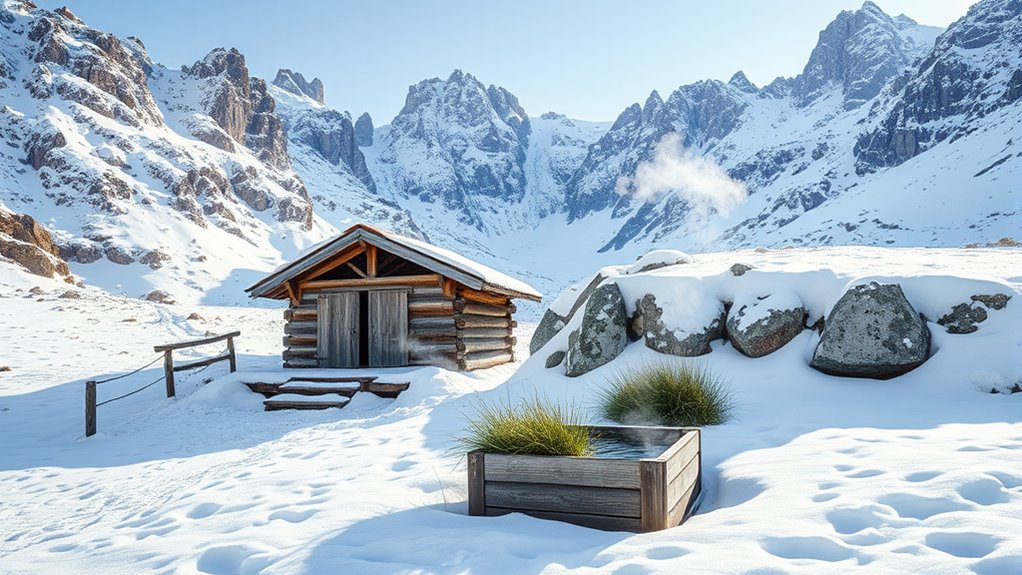
Have you ever tasted fresh, locally produced dairy? If you have, then you know how rich and authentic it can be, especially when sourced directly from farms that prioritize sustainable practices. Mountain Dairy embodies this approach, blending age-old methods with cutting-edge dairy innovations to create products that are both environmentally friendly and delicious. Their commitment to sustainable farming means they focus on maintaining healthy pastures, reducing chemical use, and caring for their livestock in ways that support the local ecosystem. This dedication not only ensures the quality of the milk but also preserves the land for future generations. As a consumer, you benefit from this conscientious approach, enjoying dairy that’s free from unnecessary additives and produced with care for the environment.
What sets Mountain Dairy apart is their embrace of dairy innovations that improve efficiency and freshness. They’ve adopted modern refrigeration techniques and automated milking systems that minimize waste and stress on the animals. These innovations allow them to keep milk as fresh as possible, often harvesting at dawn and delivering within hours to local markets. This rapid turnaround makes their dairy products superior in flavor and nutrition, giving you a taste of something truly fresh and wholesome. Plus, the use of innovative cooling methods, like snow storage, taps into the natural cold and reduces reliance on energy-intensive refrigeration. It’s a clever way to keep the milk at ideal temperatures without harming the environment. Additionally, utilizing natural resources like snow reflects their commitment to sustainable cooling practices, reducing energy consumption and supporting eco-friendly operations.
The farm’s location in the mountains provides natural cooling advantages. During winter months, snow is used as a sustainable cooling resource, reducing energy consumption and lowering carbon footprints. This eco-friendly practice aligns perfectly with their overall mission of sustainable farming. You can appreciate that every step—from pasture to plate—is designed to minimize environmental impact while maximizing quality. These efforts demonstrate how traditional practices and modern innovations go hand in hand at Mountain Dairy, creating a model of sustainable, responsible dairy production.
When you choose products from Mountain Dairy, you’re supporting a farm that respects the land, animals, and future. Their use of dairy innovations like snow cooling ensures you get high-quality milk that’s fresh, nutritious, and produced with integrity. This approach not only benefits the environment but also enhances the flavor and freshness of their dairy goods. It’s a win-win situation—good for the planet and good for your palate. So, next time you enjoy a glass of milk or a piece of cheese, think about the mountain farm where nature’s own cooling techniques and innovative practices make it all possible.

Momcozy Portable Breast Milk Cooler for Travel, 24H Ice-Free Cooling Breastmilk Storage Bottles Container, 12 Ounces Leak Proof Outdoor Small Freezer, Baby Breastfeeding Essential for New Moms
𝟐𝟒𝐇 𝐅𝐫𝐞𝐬𝐡 𝐌𝐢𝐥𝐤 𝐒𝐭𝐨𝐫𝐚𝐠𝐞, 𝐋𝐨𝐜𝐤 𝐢𝐧 𝐍𝐮𝐭𝐫𝐢𝐞𝐧𝐭𝐬: Keep your breast milk perfectly chilled for a full day out….
As an affiliate, we earn on qualifying purchases.
As an affiliate, we earn on qualifying purchases.
Frequently Asked Questions
How Sustainable Is Snow-Based Cooling Compared to Traditional Methods?
Snow-based cooling is generally more sustainable than traditional methods because it has a lower environmental impact and higher energy efficiency. You’re using natural snow to keep products cold, which reduces reliance on electricity or fossil fuels. This approach minimizes greenhouse gas emissions and conserves energy, making it a greener alternative. While climate and location matter, snow cooling offers a eco-friendly solution that supports sustainable practices in refrigeration.
What Are the Health Risks Associated With Snow-Based Dairy Cooling?
Think of snow as a double-edged sword: it can keep dairy fresh, but poses contamination risks if not handled properly. You might face health risks like bacterial growth or spoilage due to inconsistent temperature control. If snow isn’t clean or monitored, harmful microbes can contaminate your products, risking foodborne illnesses. Proper sanitation and precise temperature management are vital to safely using snow-based cooling and avoiding these health hazards.
How Does Snow Cooling Affect the Taste and Quality of Dairy Products?
Snow cooling helps preserve the flavor and quality of dairy products by maintaining a consistent, low temperature, which enhances flavor preservation. It also slows microbial growth, ensuring microbial safety. You’ll notice fresh, clean-tasting dairy with better texture and aroma. However, make sure the snow is clean to prevent contamination, as improper handling can compromise both flavor and safety. Properly managed, snow cooling maintains high-quality dairy products effectively.
Can Snow Cooling Be Used in Urban Environments?
Yes, snow cooling can be used in urban environments, though it requires specialized snow infrastructure. Imagine a city installing a snow storage and cooling system during winter to preserve dairy products. While urban feasibility depends on climate and infrastructure, innovative solutions like covered snow pits or refrigeration combined with snow storage make it possible. This eco-friendly approach reduces energy use and offers sustainable cooling options in city settings.
What Are the Costs Involved in Setting up Snow-Based Cooling Systems?
You’ll need to conduct a thorough cost analysis to understand the expenses involved in snow-based cooling systems. Equipment expenses include snow collection units, storage facilities, and cooling infrastructure. Keep in mind, initial setup costs can be substantial, but ongoing maintenance and energy costs are also factors. Budget for seasonal variations and potential upgrades to make certain your system operates efficiently and sustainably over time.
eco-friendly dairy refrigeration system
As an affiliate, we earn on qualifying purchases.
As an affiliate, we earn on qualifying purchases.
Conclusion
So, next time you think about staying fresh in the heat, remember how mountain dairies harness snow’s cool power. Can you imagine a more natural, sustainable way to keep things chilled? Embracing these ancient methods reminds us that sometimes, the simplest solutions are the best. By learning from nature’s own cooling system, you can appreciate the ingenuity behind mountain dairies and their timeless preservation techniques. Isn’t it amazing how snow can still teach us about sustainability today?

Boon Frosh Portable Breast Milk Chiller – Stainless Steel Cooler and Storage Container – Purple – Keeps Milk Cold for up to 17 Hours*
Chill Out!: Frosh lets you pump on the go without carrying around a bulky cooler, just add ice…
As an affiliate, we earn on qualifying purchases.
As an affiliate, we earn on qualifying purchases.
mountain farm dairy cooling methods
As an affiliate, we earn on qualifying purchases.
As an affiliate, we earn on qualifying purchases.