Discover five forgotten heirloom herbs to boost your garden’s flavor and health benefits. Lovage offers a versatile, celery-like taste and medicinal properties that aid digestion. Calamint adds a minty, citrus aroma perfect for teas and salads, while hyssop brings striking blue flowers and respiratory relief. Rue, with its bold aroma, enhances dishes and traditional remedies. Exploring these herbs allows you to enjoy unique flavors and sustainable gardening—keep going to uncover even more ways to enhance your herb collection.
Key Takeaways
- Lovage offers a celery-like flavor that enhances soups, stews, and salads with a unique, traditional taste.
- Calamint provides aromatic minty and citrus notes, perfect for teas, seasoning, and attracting pollinators.
- Hyssop features striking blue flowers and a peppery, minty flavor, beneficial for culinary uses and respiratory health.
- Rue has a strong aroma and bitter flavor, historically used for medicinal purposes and adding complex flavor to dishes.
- Growing heirloom herbs promotes biodiversity, supports sustainable gardening, and adds distinct flavors not found in commercial varieties.
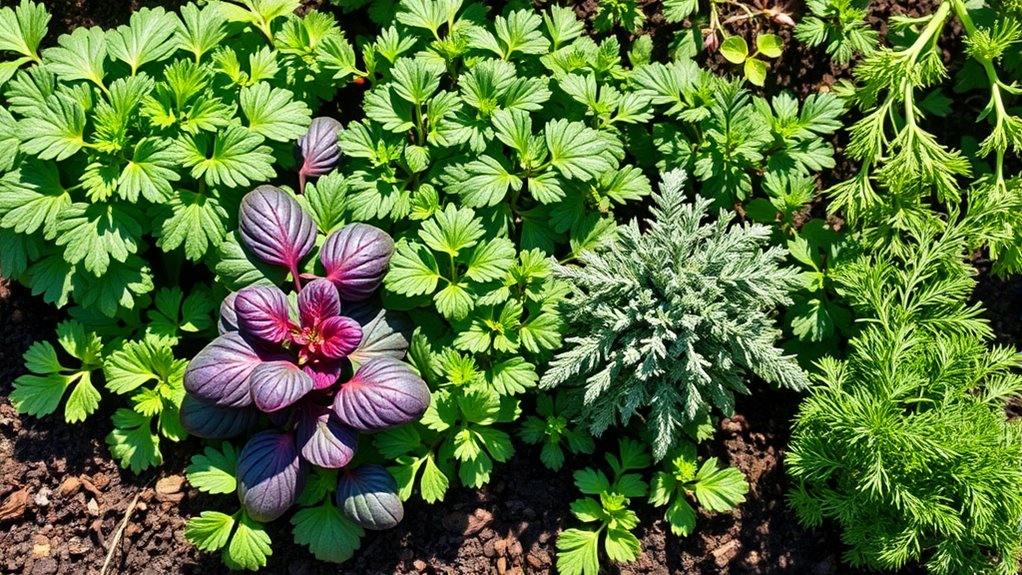
Growing heirloom herbs is a rewarding way to connect with traditional gardening and enjoy vibrant, flavorful plants. These herbs often come with unique qualities that you won’t find in commercial varieties, making your garden more diverse and your dishes more interesting. One such herb is lovage, a lesser-known perennial that offers both medicinal properties and culinary uses. Lovage has a celery-like flavor that enhances soups, stews, and salads, making it a versatile addition to your kitchen. Historically, it’s been used to aid digestion and reduce inflammation, giving it a valuable place in herbal medicine cabinets. Growing lovage is straightforward, and its tall, lush foliage provides a striking visual element in your garden. Additionally, understanding color accuracy in your herbs’ appearance can help you select plants that are visually appealing and full of flavor.
Another forgotten heirloom herb worth cultivating is calamint. This aromatic herb boasts a minty scent with subtle hints of citrus, making it perfect for teas, salads, and seasoning blends. Beyond its culinary uses, calamint has been traditionally used to treat digestive issues, headaches, and colds due to its medicinal properties. Its delicate purple flowers attract pollinators, and its hardy nature means it can thrive in various climates. By growing calamint, you’re not only enriching your garden’s diversity but also gaining a natural remedy for common ailments.
Hyssop is an ancient herb with a long history of medicinal use and culinary application. Its striking blue flowers and fragrant leaves make it an attractive addition to herb gardens. Hyssop has been used to treat respiratory issues, coughs, and sore throats, thanks to its antiseptic and expectorant properties. In the kitchen, its leaves lend a peppery, minty flavor to salads, marinades, and roasted vegetables. Growing hyssop is simple, and it’s highly resilient, often thriving in poor soil. By including hyssop in your garden, you’re cultivating a herb that offers both health benefits and flavorful culinary options.
Lastly, rue is a historic herb that’s gained renewed interest for its medicinal properties and culinary uses. Known for its strong aroma and bitter flavor, rue has been used to treat digestive problems, anxiety, and skin conditions. Its pungent leaves can be used to flavor liqueurs or as a seasoning in small amounts, though caution is advised because of its potency. Rue’s hardy nature and ability to grow in less-than-ideal soil make it an easy addition to your heirloom herb collection. Growing rue allows you to reconnect with traditional herbal practices while enjoying its unique flavor and potential health benefits.

Seed Needs Lovage Seeds for Planting – Non-GMO Heirloom & Untreated Herbs to Plant a Medicinal/Culinary Home Grown Herb Garden Indoors or Outdoors (1 Pack)
Lovage is a perennial herb native to southern Europe, known for its strong celery-like flavor and aroma, making…
As an affiliate, we earn on qualifying purchases.
As an affiliate, we earn on qualifying purchases.
Frequently Asked Questions
How Do I Identify Heirloom Herbs From Hybrid Varieties?
To identify heirloom herbs from hybrid varieties, look for seeds labeled as open-pollinated or heirloom, which preserve plant heritage. Heirlooms often have unique, consistent characteristics passed down through generations, unlike hybrids that result from controlled crossbreeding. When seed saving, select plants that grow true to type. This way, you maintain the authenticity of your herbs and protect their heritage, ensuring farm-fresh flavor stays true to tradition.
Are Heirloom Herbs More Medicinal Than Commercial Types?
Heirloom herbs often have richer medicinal properties compared to commercial varieties because they’re less hybridized and retain more natural traits. You might find they’re better for herbal remedies, offering stronger medicinal benefits. By growing heirloom herbs, you can access their full medicinal properties, making them more effective for health purposes. So, if you’re seeking potent herbal remedies, heirloom herbs could be a more beneficial choice for their natural medicinal qualities.
What Pests Commonly Affect These Forgotten Herbs?
You’ll find that pests like aphids, whiteflies, and spider mites often target heirloom herbs. To protect your plants, choose pest resistant varieties when possible and practice natural pest control methods, such as introducing beneficial insects or using organic sprays. Regularly inspect your herbs and remove affected leaves promptly. With consistent care, you can keep pests at bay and enjoy healthy, flavorful herbs all season long.
Can These Herbs Be Grown Indoors Successfully?
Yes, you can grow these forgotten herbs indoors successfully. Indoor herb gardening allows you to enjoy fresh flavors year-round. Use container planting tips like choosing the right-sized pots with drainage and placing herbs in bright, sunny spots. Regular watering and good airflow are essential. With some care, you’ll have thriving herbs indoors that add unique, farm-fresh taste to your meals, no matter the season.
How Do I Preserve Heirloom Herbs for Winter Use?
Imagine capturing the last warm glow of summer in a jar. To preserve heirloom herbs for winter, you’ll want to focus on herb drying and winter storage. Harvest herbs when they’re at their peak, then hang or lay them out in a well-ventilated spot. Once dried, store the herbs in airtight containers away from light. This way, you enjoy the flavors of your garden all year round.

100 CALAMINTHA Nepeta Seeds,(Lesser Calamint) Perennial
Brand:CALAMINTHA nepeta, Model:Nepitella, Lesser Calamint
As an affiliate, we earn on qualifying purchases.
As an affiliate, we earn on qualifying purchases.
Conclusion
By planting these heirloom herbs, you’re opening a treasure chest of flavor right in your garden. Each sprig adds a whisper of history and a splash of vibrant life to your dishes. As you nurture these forgotten gems, you’ll find your culinary world blossoming with fresh, farm-fresh magic. So, dig in, embrace the journey, and let your garden become a living tapestry of flavor that tells a story with every leaf and bloom.
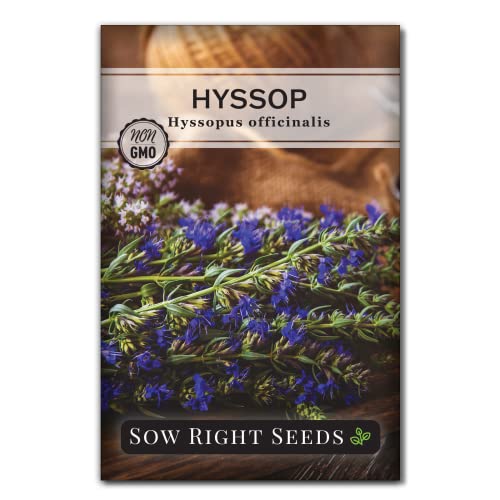
Sow Right Seeds – Hyssop Seed for Planting – Medicinal Herb to Plant in Your Garden – Outdoors – Attracts Pollinators – Stunning Purple Flowers – Non-GMO Heirloom Seeds – Great Gardening Gift (1)
Beautiful – Hyssop (Hyssopus officinalis) seed packet. This easy to grow and hardy annual herb produces fragrant spires…
As an affiliate, we earn on qualifying purchases.
As an affiliate, we earn on qualifying purchases.

Seed Needs Rue Seeds for Planting – Non-GMO Heirloom & Untreated Perennial Herb Seed to Plant a Home Grown Medicinal Garden Indoors or Outdoors (1 Pack)
Rue (Ruta graveolens), often called herb-of-grace, is a perennial herb native to the Mediterranean, valued for its bitter…
As an affiliate, we earn on qualifying purchases.
As an affiliate, we earn on qualifying purchases.