
TL;DR

Get furniture and decor delivered free with Prime
- Fast, free delivery on millions of items
- Prime Video, Amazon Music and more included
- Member-only deals all year
Martha Stewart’s first home, Turkey Hill, is influencing a 2026 interior design shift away from white cabinets toward warm, organic wood tones. The resurgence highlights a consumer desire for cozy, nature-connected spaces over the stark minimalism of the 2010s. Experts suggest adapting Stewart’s sycamore wood cabinets and rustic details for modern kitchens.
A significant shift in home interior trends is underway as Martha Stewart’s 1970s kitchen at her historic Turkey Hill estate inspires a return to warm, organic wood tones. This development marks a departure from the stark white and gray cabinets that dominated the 2000s and 2010s, signaling a broader consumer desire for spaces that feel cozy, lived-in, and connected to nature. The resurgence of these retro design elements positions Stewart’s early aesthetic choices as a blueprint for modern kitchen renovations in 2026.
The trend centers on the Turkey Hill farmhouse in Westport, Connecticut, which Stewart purchased in 1971. According to reports from Hunker, the kitchen’s original design featured knotty planked cabinets made from natural sycamore wood, locally sourced from Massachusetts. This choice provided a distinctive grain pattern and a lived-in quality that contrasts sharply with the uniform, sterile look of modern white cabinetry. The space, featured in Stewart’s first cookbook Entertaining, relied heavily on medium wood tones to create an atmosphere of sophisticated warmth.
Design experts note that the appeal lies in the earthy, cozy usability of the space. Unlike the “standoffish” or “generic” feel of recent minimalist trends, Stewart’s kitchen incorporated freestanding wood furniture, wood-wrapped fireplaces, and farmhouse doors. These elements contributed to a humble approachability, making the kitchen feel like a vessel for memories rather than just a showroom. The trend is part of a larger revival of 1970s design elements, including sunken living rooms and mushroom lamps, which are gaining traction in contemporary interiors.
Shift From Minimalism to Organic Warmth
This trend matters because it reflects a fundamental change in consumer psychology regarding home spaces. After years of minimalist, high-gloss finishes, homeowners are prioritizing character and texture. The move toward rich, warm wood tones indicates a desire for homes that feel welcoming and grounded. For the home improvement industry, this shift requires a pivot in inventory and marketing, moving away from pure white stock cabinets toward natural wood species like alder, hickory, oak, and pine. It also emphasizes the value of secondhand antiques and salvaged materials, supporting a more sustainable and historically connected approach to interior design.
As an affiliate, we earn on qualifying purchases.
Turkey Hill’s Enduring Design Legacy
Martha Stewart’s influence on American interiors has been continuous since the 1970s. Turkey Hill, built in 1805, served as the backdrop for Stewart’s rise as a lifestyle guru. Although the property was remodeled and updated during her 36-year residency, the original 1970s kitchen iteration remains a touchstone for rustic elegance. The current trend is not a direct replication but an adaptation of Stewart’s core philosophy: using natural materials to create functional, beautiful spaces. This context highlights how iconic spaces can transcend their original era, maintaining relevance by aligning with new cultural desires for authenticity and comfort.
Balancing Retro With Modern Functionality
While the trend is clear, the execution methods vary. It is not yet clear how widely authentic vintage hardware will be adopted versus modern reproductions. Designers caution against creating a time capsule; the challenge lies in adapting 1970s aesthetics to modern kitchen workflows and smart home technology. Additionally, the availability of specific wood species like local sycamore may limit exact replication, forcing homeowners to rely on substitutes like oak or maple to achieve the desired look. The long-term durability of natural topcoats compared to modern synthetic finishes also remains a consideration for practical buyers.
Adapting Sycamore Styles For Modern Homes
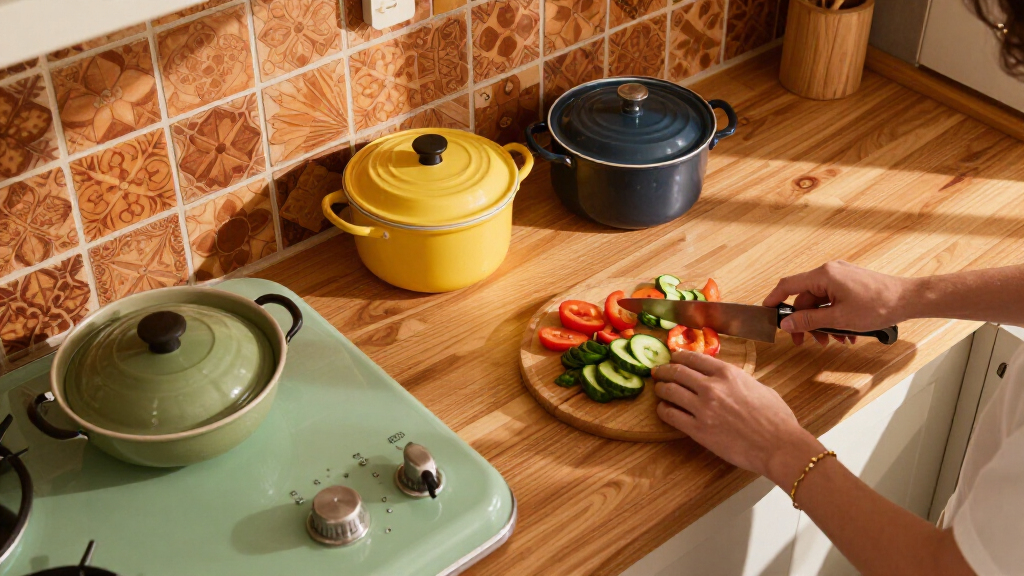
Homeowners looking to adopt this trend are advised to focus on mid-tone woods with natural topcoats or desaturated stains. Experts recommend using rustic knots in species like alder or pine for a homestead feel, or cleaner birch and walnut for a modern twist. Cabinet door styles should lean toward planked fronts for rustic charm or clean lines for contemporary appeal. Hardware choices, such as exposed iron hinges or antique-inspired brass pulls, will define the final aesthetic. Expect to see more freestanding islands and reclaimed beams in new construction and renovations throughout 2026.
Key Questions
What specific wood did Martha Stewart use in her 1970s kitchen?
Stewart used natural sycamore wood for her knotty planked cabinets, which was locally sourced from Massachusetts to create a distinctive grain and warm feel.
Why are white cabinets losing popularity?
Homeowners are moving away from stark white and gray finishes because they often feel cold or generic. The current trend favors warm, organic wood tones that create a cozy and connected atmosphere.
Can I achieve this look without antique furniture?
Yes. You can use repurposed vintage furniture as an island or build custom cabinetry that mimics the look of freestanding pieces to avoid the blandness of standard stock cabinets.
What hardware styles fit the 2026 wood trend?
For a rustic look, use exposed iron hinges and simple wood knobs. For a traditional vibe, choose brass or bronze historical pulls. For a modern look, opt for clean-lined contemporary hardware or integrated pulls.
Source: rss
Fall Picks
fall essentials
As an affiliate, we earn on qualifying purchases.