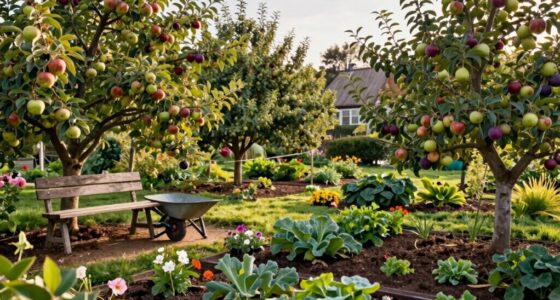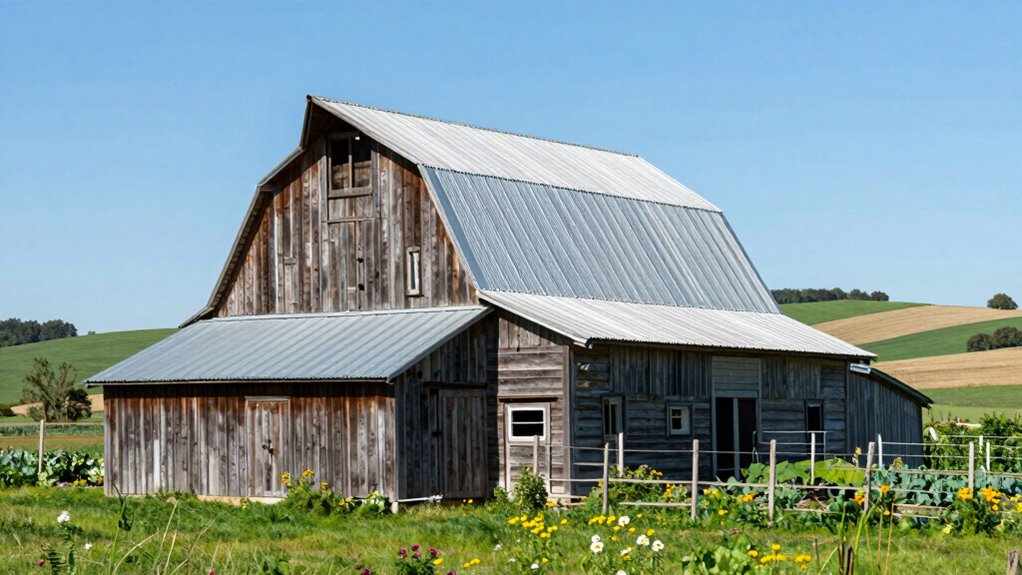

Start by selecting a location on higher ground near existing runoff areas for easy rainwater harvesting and future expansion. Make sure it’s free from shadows to maximize solar exposure if you plan to use solar power, and near your main activities for convenience. Incorporate eco-friendly features and infrastructure for rainwater collection and solar systems early on. Designing with flexibility now helps accommodate future needs, building a resilient homestead foundation. To discover more tips, keep exploring the key considerations for your first outbuilding.

Get furniture and decor delivered free with Prime
- Fast, free delivery on millions of items
- Prime Video, Amazon Music and more included
- Member-only deals all year
Key Takeaways
- Prioritize a location that supports rainwater harvesting, solar exposure, and future expansion needs.
- Choose a size that balances current requirements with potential growth and system integration.
- Incorporate eco-friendly features and infrastructure for sustainable water and energy systems.
- Ensure easy access to main homestead activities for convenience and efficient operation.
- Plan for adaptability to accommodate evolving needs and new technologies over time.
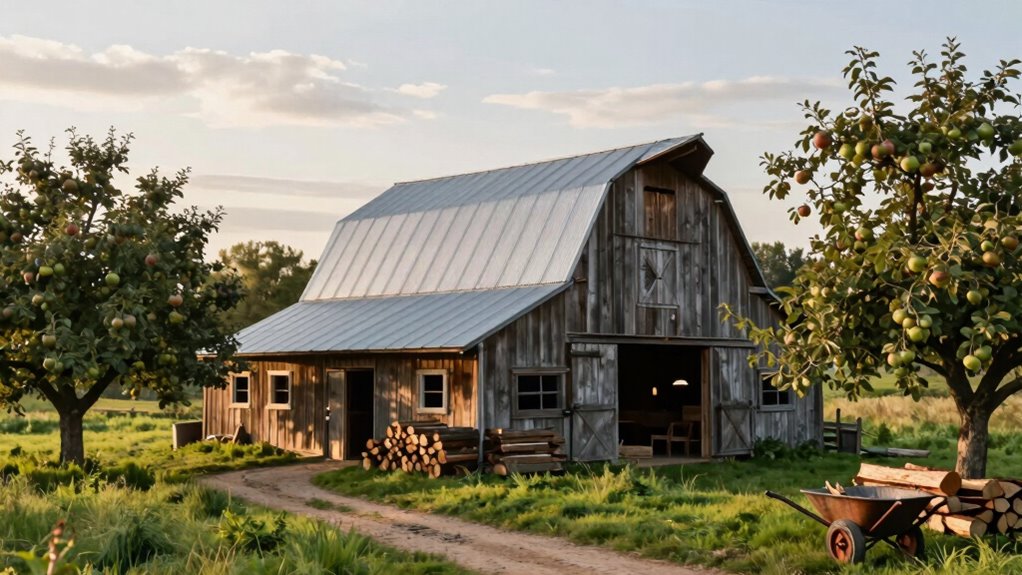
Deciding on the first outbuilding for your homestead is an vital step that can considerably influence your daily operations and long-term plans. When choosing this initial structure, you need to think carefully about your immediate needs and future growth. One of the key considerations is how the outbuilding can support sustainable practices, such as rainwater collection and a solar power setup. These features not only make your homestead more self-sufficient but also reduce reliance on external utilities, helping you save money in the long run.
Choosing your first outbuilding wisely supports sustainable, self-sufficient living and long-term homestead growth.
If you’re starting with a small homestead, a simple shed or barn can serve multiple purposes. It can provide storage for tools, supplies, and equipment, but also be designed with eco-friendly features in mind. For rainwater collection, you’ll want to position the outbuilding strategically—ideally on higher ground to facilitate gravity-fed harvesting or near existing water runoff areas. Installing rain barrels or a more extensive rainwater harvesting system can supply water for animals, gardening, and cleaning, decreasing your dependence on municipal water sources. Incorporating water management strategies can further enhance your ability to utilize natural resources efficiently. Additionally, considering water filtration methods can improve water quality for your homestead activities.
A solar power setup can be a game-changer, especially in remote areas. When selecting your outbuilding, consider a location that gets ample sunlight throughout the day, free from shadows cast by trees or other structures. This position ensures your solar panels can operate efficiently. You might opt for a roof design that maximizes sun exposure, such as a south-facing pitch, or even consider installing a dedicated solar power shed if your energy needs grow over time. Having a solar power setup not only supplies electricity for lighting, small appliances, or farm equipment but also prepares your homestead for future expansion, like adding more renewable energy systems. Moreover, a well-planned electrical system can also support energy efficiency initiatives, reducing overall power consumption.
Balancing your outbuilding’s size and layout is essential; it should be large enough to accommodate your current needs but flexible enough to adapt as your homestead develops. Think about future integrations of rainwater collection and solar power—installing the necessary infrastructure now can save you time and money later. For example, running wiring or water lines during initial construction simplifies upgrades.
Ultimately, your first outbuilding should serve as a foundation for sustainable living. Prioritize locations and designs that support rainwater harvesting and solar power setup. This foresight ensures your homestead remains resilient, eco-friendly, and capable of supporting your lifestyle as you expand. Proper planning can also include considerations for environmental sustainability, ensuring your homestead minimizes its ecological footprint from the start. Making thoughtful choices now can streamline your operations, reduce long-term costs, and set a solid stage for all your future homesteading endeavors.
rainwater harvesting system for homestead
As an affiliate, we earn on qualifying purchases.
As an affiliate, we earn on qualifying purchases.
Frequently Asked Questions
What Is the Average Cost of Building an Outbuilding?
The average cost of building an outbuilding varies depending on size and materials but generally ranges from $5,000 to $20,000. For garden storage or an animal shelter, you might spend less or more based on your needs. Smaller structures cost less, while larger or more durable builds increase expenses. Plan your budget carefully, considering materials, labor, and permits, to guarantee your outbuilding fits your homestead’s needs and finances.
How Do I Ensure Proper Zoning and Permits?
Did you know over 60% of property issues stem from zoning violations? To guarantee proper zoning and permits, start by researching local zoning regulations, which vary widely. Contact your city or county planning department to understand permit processes and restrictions. Always apply for necessary permits before starting construction, and keep records. This proactive approach helps avoid costly delays or legal issues, ensuring your outbuilding complies with all local requirements.
What Are the Best Materials for Durability?
For durability, you should choose weather-resistant options like metal, treated wood, or concrete. Opt for sustainable materials such as recycled steel or sustainably harvested timber to minimize environmental impact. These materials withstand harsh weather, pests, and time better, ensuring your outbuilding lasts longer. Combining durability with sustainability helps you build a resilient structure that supports your homestead’s needs while being environmentally responsible.
How Can I Design for Future Expansion?
Think of your outbuilding as a growing tree—plan its roots with future expansion in mind. You can achieve this through smart future planning by incorporating a modular design that allows you to add sections easily later on. Think ahead about layout, utilities, and foundation strength, so your outbuilding can gracefully grow with your homestead’s needs, avoiding costly renovations and ensuring seamless integration down the line.
What Are Common Mistakes to Avoid?
Avoid common mistakes like neglecting proper garden storage and pest control. Don’t build an outbuilding without considering how it will facilitate organized storage for tools and supplies, which keeps pests out and your garden thriving. Also, steer clear of poor placement—avoid areas prone to flooding or pests. Planning with future expansion in mind guarantees your outbuilding remains functional and adaptable, saving you time and money long-term.
Conclusion
Choosing your first outbuilding wisely sets the foundation for a successful homestead. Prioritize your needs, such as storage or livestock shelter, and plan for future expansion. Did you know that around 60% of homesteaders find that their first outbuilding markedly improves their daily efficiency? By making thoughtful decisions now, you’ll create a functional space that supports your homestead’s growth and sustainability. Start small, think ahead, and watch your homestead thrive.
Halloween Picks
halloween
As an affiliate, we earn on qualifying purchases.