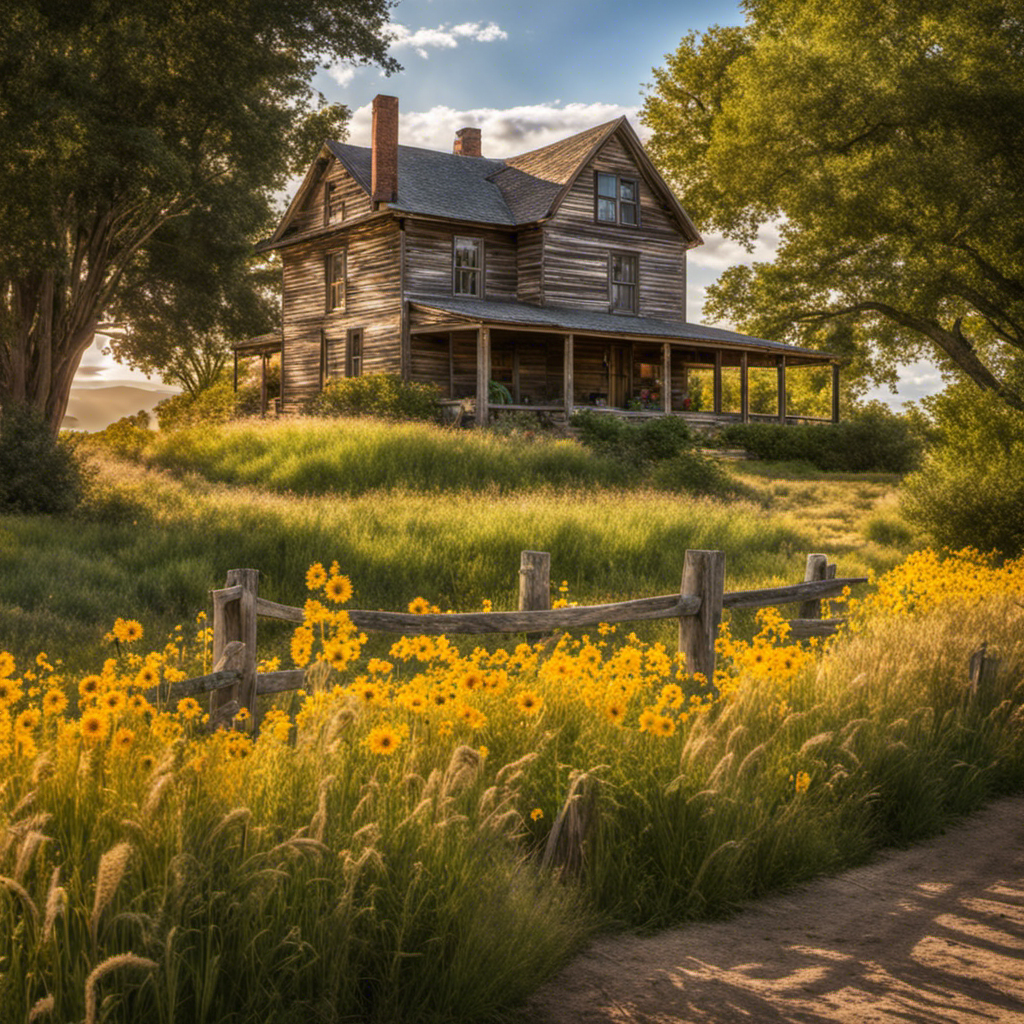
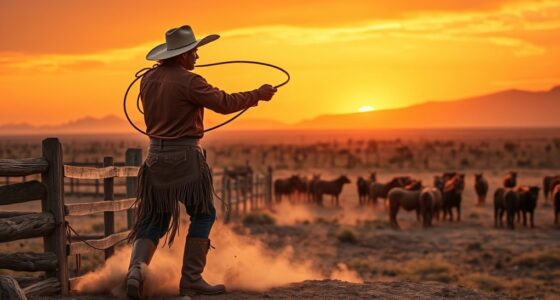
The Cattle Trails from the Chisholm to the Goodnight-Loving were essential routes that shaped the cowboy industry and Westward expansion. You’ll learn how these trails connected Texas to Kansas, Colorado, and New Mexico, enabling cattle drives that fueled frontier towns and commerce. Cowboys faced tough terrains and unpredictable weather, developing skills that embodied resilience. Exploring these routes reveals more about the rugged spirit and history of the Wild West waiting for you to discover.
Key Takeaways
- The Chisholm Trail connected Texas to Kansas, serving as a major route for cattle drives in the late 19th century.
- The Goodnight-Loving Trail linked Texas to Colorado and New Mexico, crossing rugged terrains during cattle drives.
- Both trails exemplify key routes that facilitated cattle industry expansion and westward movement.
- Cowboys used these trails to drive large herds, showcasing skills in riding and cattle management.
- These trails contributed significantly to the growth of frontier towns and the development of cowboy culture.
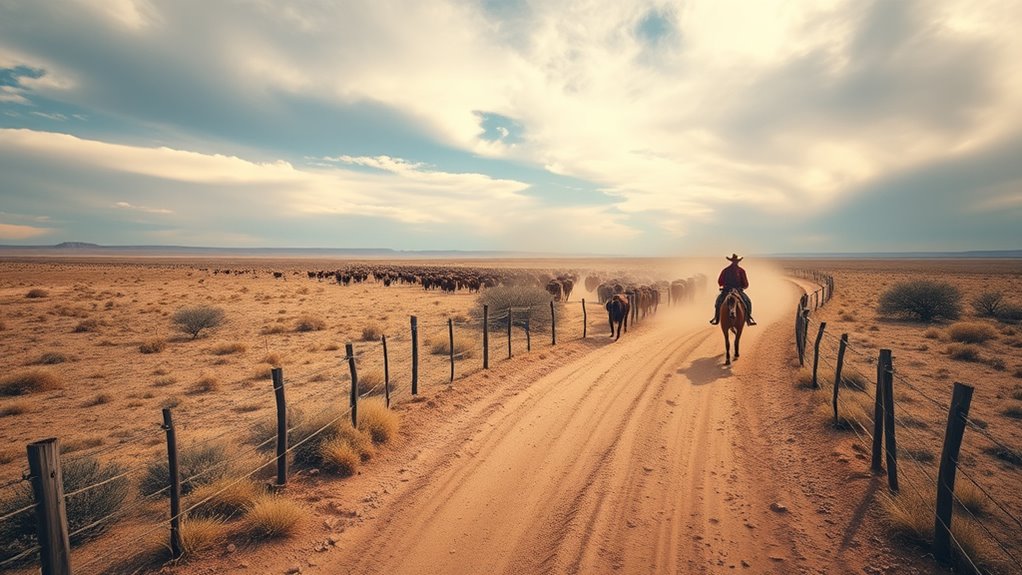
Have you ever wondered how cattle farmers moved their herds across vast distances in the American West? The answer lies in the legendary cattle trails that crisscrossed the frontier, forming the backbone of cowboy culture and shaping the Wild West. These trails weren’t just paths for livestock; they were highways of opportunity, adventure, and hardship. As you explore the history of the Chisholm Trail to the Goodnight-Loving Route, you’ll see how these routes became iconic symbols of a rugged, pioneering spirit that defined an era.
Legendary cattle trails fueled cowboy spirit and shaped the Wild West’s history.
The Chisholm Trail, one of the most famous cattle trails, stretched from Texas to Kansas, serving as a essential link in the cattle industry during the late 19th century. Cattle drivers, or cowboys, would gather herds and set out on long, arduous journeys, often lasting weeks. You can imagine the dusty, sun-baked landscape as they moved through open plains, facing unpredictable weather and the constant threat of rustlers or hostile tribes. These cowboys, embodying the rough-and-tumble cowboy culture, developed skills that have become legendary—riding, roping, and managing cattle with a gritty independence that still captures the imagination today.
As you follow the trail’s winding path, you get a glimpse into the Wild West’s brutal realities and romantic ideals. The cattle drives helped shape the mythos of the cowboy—rough, resilient, and fiercely free. They became symbols of freedom and individualism, echoing the frontier spirit that attracted many seeking a new life. The trail’s role in moving millions of head of cattle also contributed to the growth of towns and industries along the route, transforming isolated settlements into bustling hubs of commerce. Additionally, these cattle trails served as vital transportation routes that connected remote regions and fueled economic development.
Moving westward, the Goodnight-Loving Trail expanded the scope of cattle drives, connecting Texas to Colorado and New Mexico. Led by cattlemen like Charles Goodnight and Oliver Loving, this route was essential during a time when the cattle industry was booming. You can picture cowboys leading herds through rugged mountain passes and across deserts, battling weather and terrain. It was tough work, but it cemented the cowboy’s reputation as a hardy, independent figure essential to the economic development of the West.
In all, these cattle trails weren’t just routes for moving cattle—they were arteries of the Wild West, fueling the cowboy culture and shaping the history of the frontier. They represent a time when grit and resilience defined a way of life, and their legacy endures in stories, songs, and the enduring image of the cowboy riding out across endless horizons.

IUV Cowboy Boots For Women Square Toe Wide Western Boots Mid Calf Cowgirl Boots Pull On Fashion Embroidered Cowboy Boots
【Embroidered Square Toe Design】IUV Cowboy Boots for Women feature exquisite embroidery threads in two elegant colors and a…
As an affiliate, we earn on qualifying purchases.
As an affiliate, we earn on qualifying purchases.
Frequently Asked Questions
What Was the Impact of Cattle Trails on Local Native American Tribes?
You should know that cattle trails caused significant Native American displacement and cultural disruption. As trails opened up for cattle drives, tribes lost access to their traditional lands, disrupting their way of life. You’d see increased conflicts and further marginalization of Native communities. The movement of cattle also damaged sacred sites and hunting grounds, making it harder for tribes to sustain their cultural practices and maintain their independence.
How Did Weather Conditions Affect Cattle Drives Along These Trails?
You’ll find that weather played a pivotal role in cattle drives, with over 70% of drives facing seasonal challenges. Climate variations, like intense heat or cold, and unexpected storms caused delays and cattle losses. Harsh winter snow or summer droughts made navigation tough, forcing cowboys to adapt quickly. These seasonal challenges tested your resilience, often determining whether the cattle reached their destinations or faced harsh setbacks along the way.
Were There Any Significant Conflicts or Conflicts With Law Enforcement?
You’ll find that there were occasional law enforcement clashes during cattle drives, often triggered by cattle rustling or disputes over land. These conflicts sometimes led to tense confrontations, forcing cowboys to defend their herds and navigate legal issues. While not constant, such clashes underscored the challenges of maintaining order along the trails, with law enforcement trying to curb cattle rustling and protect property.
What Types of Cattle Were Most Commonly Driven Along These Routes?
You’ll find that longhorn cattle dominated these routes, making up over 80% of trail drives. Their hardy nature suited trail cattle management and cattle breed preferences, ensuring they survived tough conditions. These resilient animals thrived on the open plains, and their strength and adaptability made them the ideal choice for long-distance drives. As a result, longhorns became the signature breed of the cattle trails from Chisholm to Goodnight.
How Did Cattle Trails Influence the Development of Western Towns?
You see, cattle trails shaped western towns by bringing cowboys, settlers, and commerce together. As trail markings guided herds, towns sprouted at key points, becoming hubs of cowboy culture and trade. These trails fostered economic growth, attracting businesses, saloons, and railroads. The movement of cattle and people created vibrant communities, making towns along the trails essential to the expanding frontier and shaping the region’s history.

Rubies Brown Faux Suede Cowboy Hat for Adults, Men's No Size
COSTUME INCLUDES: Hat
As an affiliate, we earn on qualifying purchases.
As an affiliate, we earn on qualifying purchases.
Conclusion
As you stand at the crossroads of history, the cattle trails from Chisholm to Goodnight feel like a mighty river flowing through time. You can almost hear the echoes of hooves pounding the earth and smell the dust kicked up by determined souls chasing dreams. These trails aren’t just dirt paths; they’re ribbons woven with courage and grit, guiding you through the wild spirit of the Old West. Embrace their legacy, and let your own story ride free.

Weaver Equine Waxed Nylon Ranch Rope, Lightweight Cowboy Lasso Rope for Cattle Handling, Training, Natural Costume Prop for Rodeo, 7/16" x 30'
Weaver Equine Ranch Rope: Designed with a waxed medium lay style, Weaver Equine’s lariat rope offers a perfect…
As an affiliate, we earn on qualifying purchases.
As an affiliate, we earn on qualifying purchases.

Rubies Ole Cowhand Cowboy Costume for Adults, Men's One Size
COSTUME INCLUDES: Hat, Bandana, Vest, Chaps
As an affiliate, we earn on qualifying purchases.
As an affiliate, we earn on qualifying purchases.