

Before buying a chicken coop, focus on ensuring it offers strong predator protection with secure locks and durable materials. Good ventilation is essential to prevent respiratory issues, so look for proper airflow without drafts. Make sure the space is large enough for your flock to move comfortably, and that the design is easy to access for cleaning and egg collection. Prioritizing these features helps keep your chickens safe and healthy—there’s plenty more to take into account for a perfect coop.

Get furniture and decor delivered free — and shop member deals
- Fast, free delivery on millions of items
- Access to Prime Big Deal Days deals on October 6–7
- Prime Video, Amazon Music and more included
Key Takeaways
- Ensure the coop is predator-proof with secure locks, heavy-gauge wire, and a raised or secure bottom to prevent burrowing predators.
- Prioritize proper ventilation with well-placed vents or windows to promote airflow without cold drafts.
- Choose a size that provides adequate space for chickens to move comfortably and reduces stress.
- Use weather-resistant, durable materials like treated wood or metal for longevity and safety.
- Focus on integrating safety, ventilation, and size to promote flock health, happiness, and peace of mind.
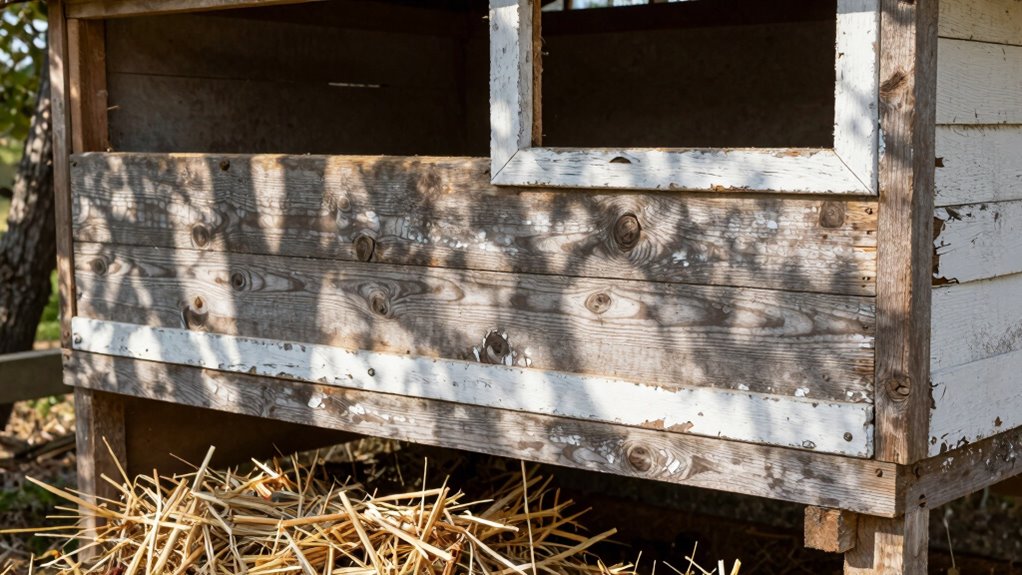
Before you buy a chicken coop, it’s important to take into account what truly matters to guarantee your flock stays healthy, safe, and happy. The first thing you should consider is predator protection. Chickens are vulnerable to a variety of predators, from raccoons and foxes to hawks and coyotes. A sturdy coop with secure locks and a predator-proof run is essential. Look for models that use heavy-gauge wire or hardware cloth, not chicken wire, which predators can easily tear through. The coop should also have a raised design or a secure bottom to prevent burrowing predators from digging underneath. Regular maintenance and checking for weak spots are crucial to ensure your flock remains safe. Even small gaps or loose latches can be a risk, so prioritize durability and security when selecting your coop. Additionally, you should consider coop design features that enhance predator resistance and longevity. Incorporating industry standards can help ensure your coop meets safety and durability benchmarks, providing extra peace of mind.
Next, you need to think about ventilation efficiency. Proper airflow isn’t just about comfort; it’s key for your chickens’ health. Good ventilation helps reduce ammonia buildup from droppings, which can cause respiratory issues. It also prevents moisture accumulation that can lead to mold and disease. When choosing a coop, look for one with well-placed vents or windows that allow for airflow without creating drafts directly on the birds. The ventilation system should promote consistent air exchange, especially during hot summer days when overheating can be a concern. However, it must also be adjustable or shielded enough to keep drafts out during colder months. Proper ventilation is a delicate balance, so inspect the design carefully to make certain it promotes fresh air circulation without exposing your chickens to temperature extremes or chilling drafts.
In addition to predator protection and ventilation efficiency, you should also consider the overall size of the coop. A cramped space can lead to stress and health problems, so make sure there’s ample room for your flock to move comfortably. Easy access for cleaning and egg collection is another key aspect—look for doors or hatches that simplify daily maintenance. The durability of the materials matters too; weather-resistant wood or metal will stand up better over time. While aesthetic appeal can be tempting, prioritize functionality and safety first. A well-designed coop that integrates predator protection and excellent ventilation creates a healthy environment where your chickens can thrive. When you focus on these essentials, you’re not just buying a shelter—you’re investing in your flock’s well-being and your peace of mind.
As an affiliate, we earn on qualifying purchases.
Frequently Asked Questions
How Much Does a Chicken Coop Typically Cost?
A chicken coop typically costs between $200 and $1,500, depending on size and materials. If you opt for a larger coop, you’ll spend more, especially for premium materials like cedar or heavy-duty plastic. Smaller, basic coops made from simple wood or wire can be affordable, around $200 to $500. Consider your coop size and material choices carefully to match your budget and make sure your chickens stay comfortable and safe.
Are There Eco-Friendly Chicken Coop Options?
Think of your chicken coop as a tiny eco-haven; yes, there are eco-friendly options. You can choose sustainable materials like reclaimed wood or recycled plastic, which reduce environmental impact. I once saw a coop built from repurposed pallets, proving sustainability is possible and practical. Recycling options are abundant, making your coop not just a home for chickens but a step toward greener living. Your choice can truly make a difference.
Can I Build a Chicken Coop Myself?
Yes, you can definitely build a chicken coop yourself. Focus on indoor ventilation to keep your hens healthy and prevent moisture buildup. Make sure to predator-proof the coop by using sturdy materials and secure locks to keep out raccoons, foxes, and other threats. Planning carefully, gathering the right tools, and following safety precautions will help you create a safe, comfortable space that suits your needs and saves you money.
What Permits Are Needed for a Chicken Coop?
Are permits necessary for your chicken coop? It depends on your local zoning regulations and neighborhood restrictions. You should check with your city or county office to find out if you need a building permit or special approval. Some areas have restrictions on coop size, placement, or number of chickens allowed. Always verify these rules beforehand to avoid fines or having to relocate your coop later.
How Often Should I Clean the Coop?
You should clean your coop at least once a week to maintain a healthy environment for your chickens. Establish a cleaning schedule that includes removing manure, replacing bedding, and disinfecting surfaces. Regular coop maintenance prevents mold, pests, and disease, ensuring your chickens stay happy and healthy. Consistent cleaning also makes it easier to spot potential problems early, helping you keep your coop in top shape with less effort over time.
Conclusion
Before you head to the market or pull out your gold coins, remember that choosing the right chicken coop isn’t just about size or style—it’s about creating a safe, cozy haven for your feathered friends. Think about your space, your flock’s needs, and future growth. Imagine you’re a medieval lord safeguarding your prized hens in a sturdy castle. With a little planning, you’ll guarantee happy hens and fresh eggs, no matter if you’re in the 21st century or the age of chivalry.
Fall Picks
fall essentials
As an affiliate, we earn on qualifying purchases.