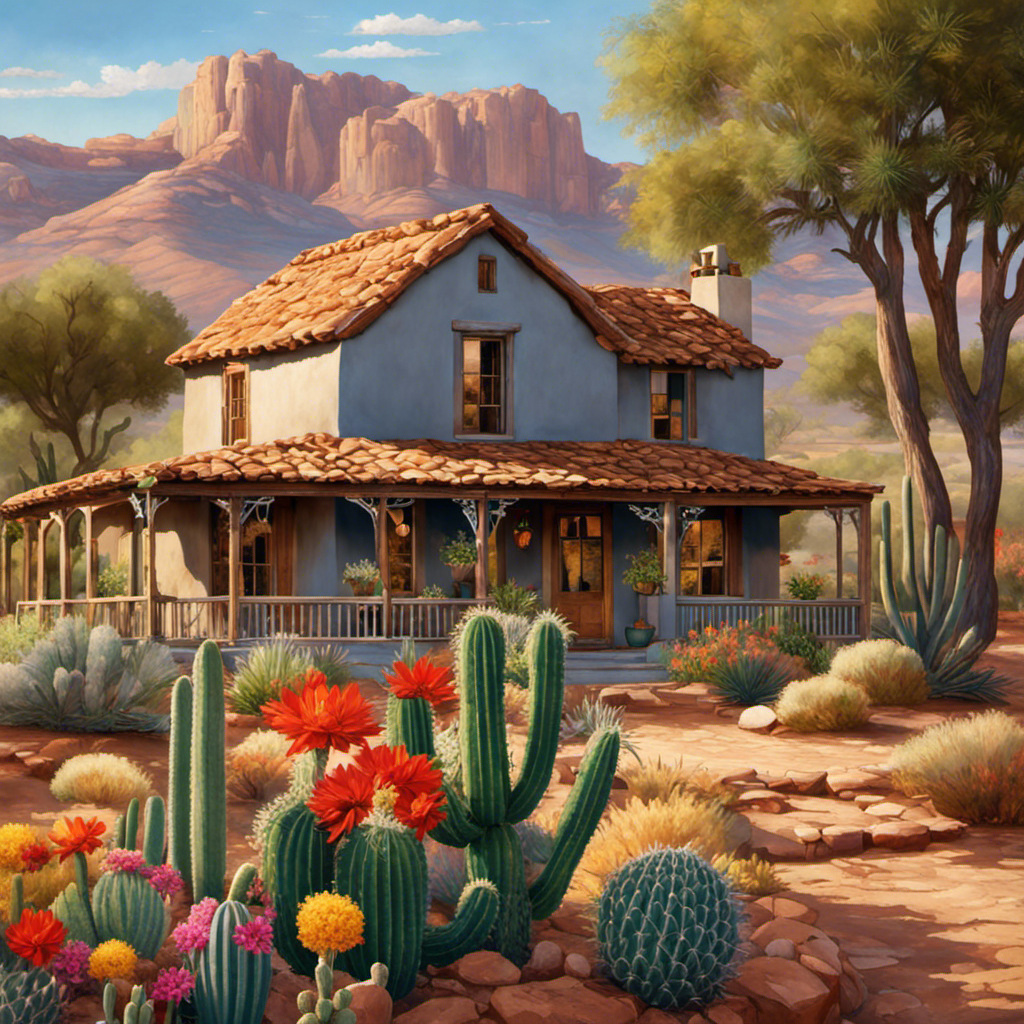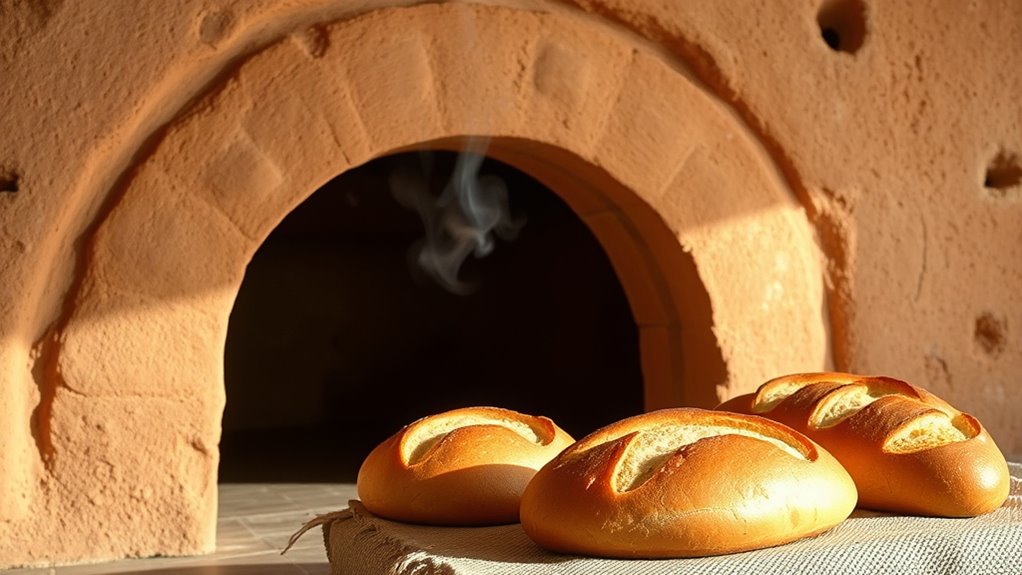

Adobe ovens, or hornos, have been used for centuries to bake bread, combining cultural tradition with sustainable craftsmanship. Their domed shape distributes heat evenly, producing delicious crusts and rich flavors. Made from natural materials like clay, sand, and straw, these ovens are energy-efficient and environmentally friendly. Restoring or building a horno helps preserve cultural heritage while embracing eco-friendly baking methods. To discover more about these timeless structures and their connection to breadmaking, keep exploring this fascinating tradition.
Key Takeaways
- Adobe hornos provide even heat distribution, resulting in superior bread crust and flavor.
- The natural insulation of adobe maintains consistent baking temperatures for traditional breadmaking.
- Using locally sourced materials, adobe ovens are eco-friendly and sustainable for bread baking practices.
- Their domed shape enhances heat retention, allowing for efficient, energy-saving baking sessions.
- Restoring and using adobe hornos helps preserve cultural heritage and traditional breadmaking techniques.
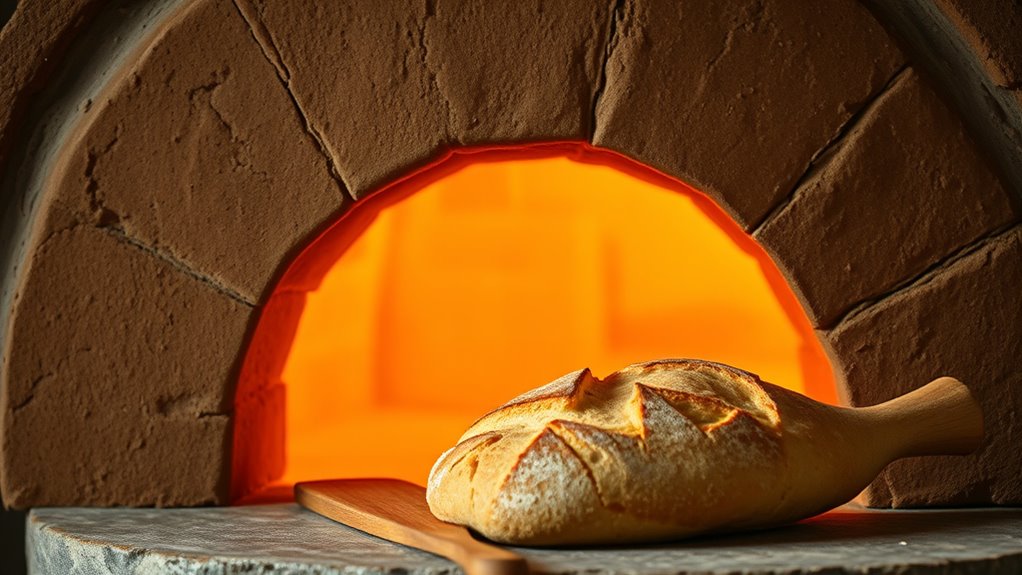
Adobe ovens, also known as hornos, have been used for centuries to bake bread using traditional methods that emphasize natural materials and craftsmanship. These ovens are more than just tools; they are part of a cultural heritage that reflects the ingenuity of past societies. When you consider building or restoring an adobe horno, you’re engaging with an architectural tradition rooted in sustainable practices. Adobe, made from clay, sand, and straw, is a material that naturally insulates, allowing the oven to retain heat efficiently. This not only reduces energy consumption but also minimizes the climate impact compared to modern, fuel-dependent baking methods. The use of locally sourced, biodegradable materials keeps the process environmentally friendly, aligning with contemporary efforts to reduce carbon footprints.
Historically, these structures showcase remarkable architectural resilience and adaptability. Adobe hornos are often integrated into the design of traditional homes and community spaces, standing as a testament to centuries of craftsmanship. Their rounded, domed shapes are both functional and aesthetically pleasing, dispersing heat evenly to ensure perfect bread baking. The durability of adobe has allowed many of these ovens to survive through centuries of weather and social change, making them tangible links to our past. When you walk into a well-preserved horno, you’re stepping into a piece of history, witnessing the ingenuity of ancient builders who prioritized natural materials and longevity. Restoring or constructing an adobe horno today not only preserves this architectural heritage but also encourages sustainable practices that respect the environment.
Using an adobe horno influences the climate impact of your breadmaking process by promoting energy efficiency. Unlike modern electric or gas ovens, hornos rely on the thermal mass of adobe to store and radiate heat over hours, reducing the need for continuous energy input. This slow, steady heat source delivers bread with a unique crust and flavor that you simply can’t replicate with conventional ovens. Furthermore, traditional methods foster a close connection with the environment, emphasizing craftsmanship and resourcefulness. By maintaining these historical architectures, you help safeguard the cultural identity of communities that have relied on these ovens for generations. They serve as living examples of how sustainable building techniques can harmonize with cultural preservation, ultimately inspiring modern eco-friendly baking practices. Embracing the use of adobe ovens bridges the past and present, showing that respecting tradition can also benefit the planet.

Adobe Oven for Old World Breads: Bread Cook Book
Used Book in Good Condition
As an affiliate, we earn on qualifying purchases.
As an affiliate, we earn on qualifying purchases.
Frequently Asked Questions
How Long Does It Take to Build an Adobe Oven?
Building an adobe oven takes about one to two weeks, depending on your experience and project size. You’ll start by preparing a clay mixture and layering insulation materials like straw or perlite to guarantee proper heat retention. As you build, you’ll need several days for drying and curing before firing. Patience is key, but once finished, you’ll enjoy a durable, efficient oven perfect for baking and cooking.
What Are the Best Types of Bread for Adobe Ovens?
You’ll love baking crusty sourdough, hearty country loaves, or rustic baguettes in your adobe oven. These traditional recipes develop rich flavors through slow fermentation, which enhances taste and texture. The high, even heat of the oven creates a beautiful crust and airy crumb, making these breads perfect for flavor enhancement. With an adobe oven’s unique environment, you can craft bread that’s deeply satisfying and full of character.
How Do Adobe Ovens Compare to Modern Baking Appliances?
You’ll find adobe ovens offer a unique baking experience compared to modern appliances. They excel in traditional baking techniques, providing even heat and rich flavor development. While they may lack the precise temperature controls of modern ovens, adobe ovens are highly energy-efficient, using natural insulation to retain heat. This eco-friendly approach makes them ideal for sustainable baking, giving you authentic results with less energy consumption.
What Maintenance Is Required for Adobe Ovens?
Surprisingly, maintaining an adobe oven isn’t a walk in the park. You’ll need to regularly clean the chimney to prevent soot buildup and guarantee proper airflow. Don’t forget plaster repairs—cracks can compromise heat retention and safety. While it’s not high-tech, these little tasks keep your oven functioning well and preserve its charm. So, embrace the routine; it’s the secret to enjoying perfectly baked bread for years to come.
Can Adobe Ovens Be Used for Roasting or Other Cooking?
Yes, you can use adobe ovens for roasting and other traditional cooking methods. They excel at flavor enhancement because they retain and distribute heat evenly, creating a smoky, rich taste. When you use an adobe oven, you’ll enjoy slow, consistent cooking, perfect for roasting meats and vegetables, and even baking dishes that benefit from the oven’s natural heat. This method adds authentic flavor and depth to your culinary creations.
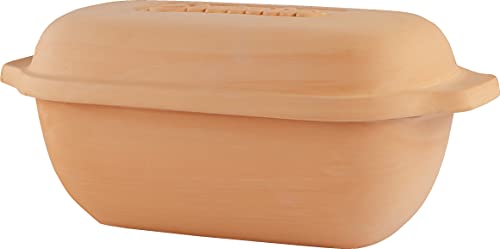
Eurita Clay Roaster, Non-Stick Bread Pan & Lid, Healthy Clay Pot Cooking, With Free Recipe Guide, 2 Quarts
Made from all Natural Clay Material. Eurita clay roasters contain no Lead, Cadmium, or fillers. European/USA tested for…
As an affiliate, we earn on qualifying purchases.
As an affiliate, we earn on qualifying purchases.
Conclusion
Now that you’ve learned about adobe ovens and breadmaking, you realize they’re more than just ancient techniques—they’re a bridge to tradition. Just like the warmth of freshly baked bread, these ovens bring community and history together. While modern appliances offer convenience, nothing beats the rustic charm and soulful flavor of bread baked in a horno. Embrace the old ways, and you’ll find that the simplest methods often create the most memorable experiences.

CRUSTLOVE Cast Iron Dutch Oven for Bread Baking – incl. Sourdough Bread-Baking Supplies like Banneton Bread-Proofing Basket – 5QT Bread-Oven with Lid Bread-Making Kit Pan, Pot, Sour Sough Tools, Lame
AUTHENTIC BAKING EXPERIENCE – Dive into the art of breadmaking by baking your own bread the traditional way…
As an affiliate, we earn on qualifying purchases.
As an affiliate, we earn on qualifying purchases.

Silicone Bread Sling for Dutch Oven, 2 PCS Red Non-Stick & Reusable Bread Baking Supplies with Extra Long Handles, Easily Transfer Sourdough, Dishwasher Safe, Round
[PERFECT NON-STICK RELEASE] – Achieve a flawless release every time! Our non-stick surface guarantees your sourdough bread never…
As an affiliate, we earn on qualifying purchases.
As an affiliate, we earn on qualifying purchases.