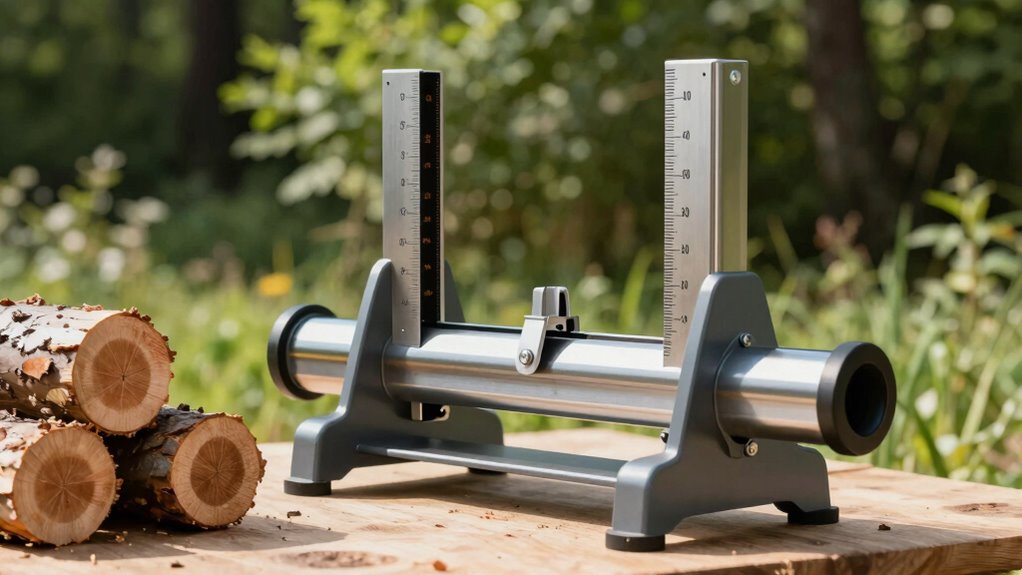

Choosing the right log splitter size is essential to prevent costly mistakes and guarantee safety. Match the machine’s capacity to the logs you’ll be splitting, considering their diameter and toughness. Overpowered splitters can cause kicks or jams, while undersized ones may strain or fail. By selecting a size suited to your wood and workload, you optimize safety and efficiency. Want to know how to pick the perfect size for your needs? Keep going to find out more.
Open a free Amazon Business account
Business pricing, bulk buying and tax-exempt orders.
As an affiliate, we earn on qualifying purchases.
Key Takeaways
- Match the splitter’s tonnage to the maximum log diameter and volume to ensure safe, efficient splitting.
- Consider the typical size and toughness of logs to select an appropriately powered machine.
- Avoid overpowered splitters for small logs to prevent safety hazards and unnecessary fuel consumption.
- Choose a size that balances workload capacity with safety features for reliable operation.
- Regularly assess your wood volume needs to prevent under or overestimating machine size.
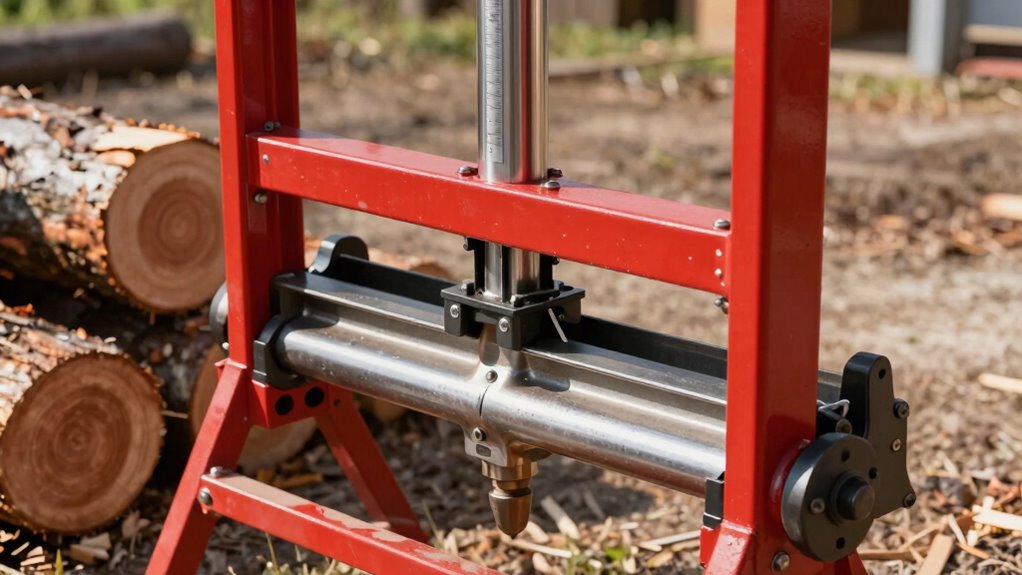
Ever wondered how to choose the right log splitter size for your needs? Selecting the appropriate size isn’t just about handling your current firewood; it’s about optimizing fuel efficiency and ensuring safety. When you pick a log splitter that matches your typical wood size, you save fuel because the engine doesn’t have to work harder than necessary. A too-powerful machine for small logs wastes fuel, while a too-small one struggles with larger pieces, risking damage to the equipment and potential safety hazards. By choosing the right size, you reduce fuel consumption, which saves you money and minimizes environmental impact, all while making your work more efficient.
Choosing the right log splitter size boosts safety, saves fuel, and improves efficiency for your firewood needs.
Understanding the different sizes involves considering the maximum log diameter and length you plan to split regularly. For smaller firewood needs—say, for a fireplace or small stove—a compact splitter with a 4- to 8-ton capacity might suffice. These are lightweight, easier to maneuver, and tend to consume less fuel, making them ideal for infrequent or light-duty use. On the other hand, if you’re dealing with larger logs or a significant volume of firewood, a mid-range model with 20 to 30 tons of force is more suitable. These models can handle thicker, tougher wood without overexerting the machine or risking operational safety issues. Recognizing the importance of equipment safety can help you understand the significance of proper safety features. Additionally, understanding the power capacity needed for your typical logs ensures you select a machine that provides both efficiency and safety. It’s also beneficial to consider the material strength of the logs you typically work with, as this influences the force required to split them effectively. Incorporating user experience considerations, such as ease of operation and maintenance, can further help you choose a suitable machine.
Safety should always be your top priority when selecting a log splitter size. A machine that’s too powerful for your typical logs can pose risks of kicks, jams, or mechanical failure, which could result in injury. Conversely, an undersized splitter may cause frustration, leading you to rush or use unsafe techniques. Proper safety precautions include wearing protective gear, keeping hands clear of moving parts, and understanding your machine’s limits. Larger models often have safety features like automatic shut-offs or guards, but you still need to operate them responsibly. Confirming the splitter matches your workload minimizes the risk of accidents caused by overexertion or improper handling. Ultimately, choosing the right log splitter size balances your workload, fuel efficiency, and safety precautions. Think about the size and quantity of logs you typically process and select a machine that fits those needs without unnecessary power that could lead to waste or hazards. Doing so helps prevent an expensive misfire—whether that’s wasting fuel, damaging equipment, or risking injury. Taking the time to assess your requirements ensures you invest wisely, enjoy safer operation, and keep your wood-splitting tasks efficient and cost-effective.
As an affiliate, we earn on qualifying purchases.
Frequently Asked Questions
Can I Use a Smaller Splitter for Large Logs?
You can use a smaller splitter for large logs, but it’s not ideal. The log length and wood type matter—thicker, denser woods or longer logs require a more powerful, larger splitter to handle the workload safely and efficiently. Using a smaller splitter might save money upfront but risks damage or incomplete splitting. For best results, match your splitter size to the log size and wood type to guarantee safe, effective splitting.
What Safety Features Should I Look for in a Log Splitter?
You should prioritize safety features like emergency stop buttons, safety shields, and automatic shut-off systems, which research shows markedly reduce accidents. Always follow safety protocols by wearing protective gear such as gloves, goggles, and steel-toed boots. These measures aren’t just precautions; they’re essential for preventing injuries. Ensuring your log splitter has these features means you’re actively protecting yourself and making your work safer and more efficient.
How Much Maintenance Does a Log Splitter Require?
You should expect to do regular maintenance on your log splitter to keep it running efficiently and safely. This includes checking and changing the hydraulic fluid, inspecting hoses for leaks, and sharpening the wedge. Keep an eye on fuel efficiency to avoid wasting fuel, and consider noise levels if you’ll be using it often. Proper upkeep ensures peak performance, reduces wear, and prolongs the life of your splitter.
Are Electric Splitters Suitable for Heavy-Duty Use?
Electric splitters can handle heavy-duty tasks if they have robust hydraulic power, but they’re not always the best choice for the toughest jobs. Keep in mind, safety precautions are key—overworking the machine can lead to damage or accidents. If you plan on frequent, demanding use, a gas-powered splitter might be your better bet. Otherwise, make sure your electric model’s specifications match your workload to avoid biting off more than you can chew.
How Does the Splitting Capacity Affect Overall Cost?
Splitting capacity directly impacts your overall cost by influencing fuel efficiency and noise levels. A higher capacity splitter uses more fuel and tends to be louder, increasing operating expenses and potential disturbance. Smaller splitters are more fuel-efficient and quieter, saving you money and reducing noise issues. Choosing the right capacity based on your needs helps you avoid unnecessary expenses, making your investment more economical and environmentally friendly.
Conclusion
Choosing the right log splitter size can save you from costly mistakes and guarantee your wood-cutting tasks are efficient. Remember, roughly 60% of homeowners report upgrading their equipment within two years due to inadequate size choices. By selecting the correct splitter, you not only save money but also avoid frustration and unsafe handling. Take the time to assess your needs carefully—it’s a small step that can prevent a big misfire down the line.
Fall Picks
fall essentials
As an affiliate, we earn on qualifying purchases.