Many homesteaders underestimate the importance of proper compost management and water conservation in late summer. You might focus on harvests and planting but neglect maintaining your compost piles or checking your irrigation system. These tasks keep your soil healthy and reduce water waste, setting you up for success in fall and winter. If you want to learn how small tweaks now can make a big difference later, keep exploring these essential late summer tasks.
Key Takeaways
- Regularly monitoring compost temperature and moisture to ensure efficient decomposition is often overlooked.
- Proper aeration and turning of compost piles are frequently underestimated for maintaining microbial activity.
- Water conservation measures like leak checks and rainwater harvesting are critical but often neglected.
- Balancing greens and browns in compost and adjusting watering schedules are underestimated for soil health.
- Integrating composting with water-saving techniques enhances sustainability but is often undervalued.

As summer winds down, it’s the perfect time to tackle essential homestead tasks that set the stage for a successful fall and winter. While many focus on harvesting and preparing for colder months, don’t overlook the importance of composting and water conservation. These often underestimated chores can greatly impact your homestead’s sustainability and productivity.
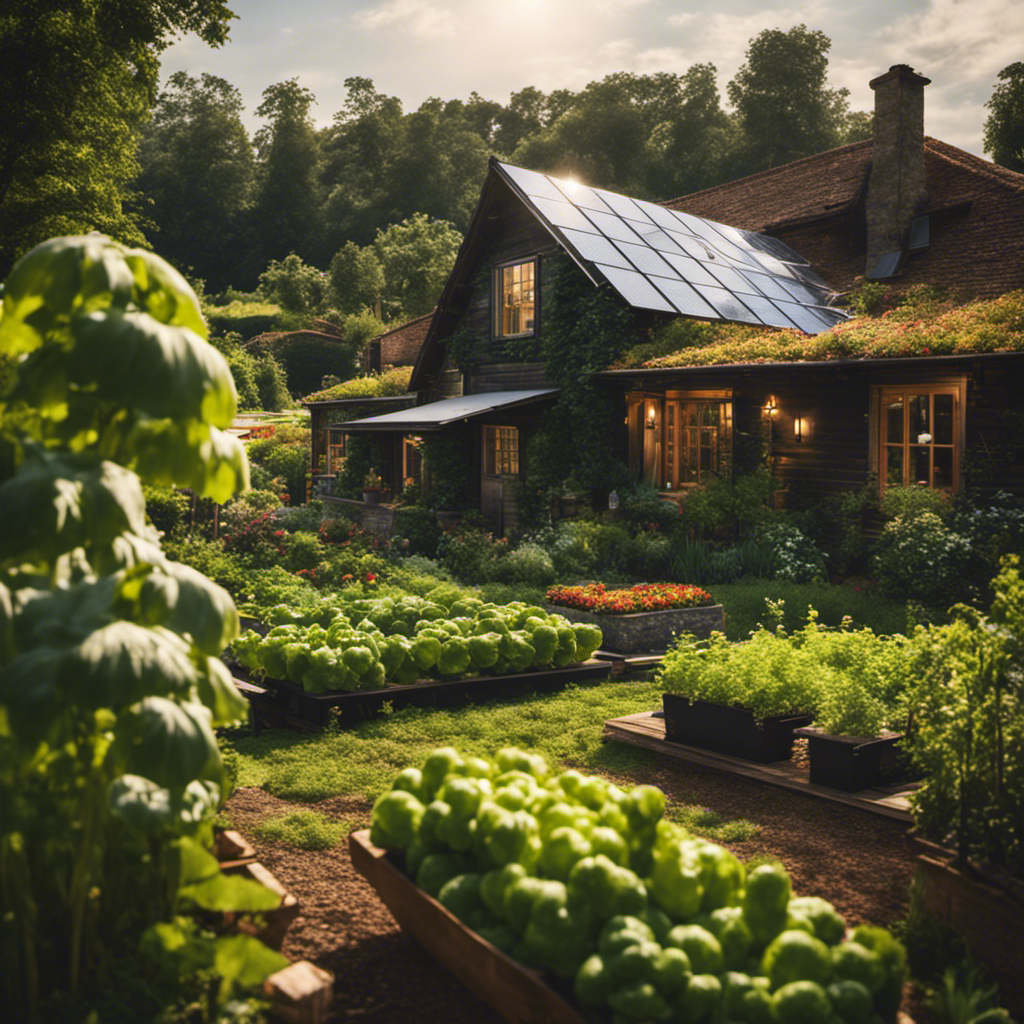
Composting benefits are numerous, yet they’re frequently overlooked during late summer. By now, your garden may be winding down, and you might have plenty of organic waste like vegetable scraps, weeds, or plant debris. Turning this waste into compost not only reduces landfill contributions but also enriches your soil for next year’s planting. Proper composting improves soil structure, boosts nutrient content, and encourages beneficial microbial activity. It’s a simple, cost-effective way to recycle organic matter and prepare your garden beds for the upcoming planting season. As you manage your compost pile, remember to balance greens and browns, keep it moist but not soggy, and aerate regularly. These steps ensure your compost breaks down efficiently, providing you with rich, earthy matter that will nourish your plants in the months ahead. Incorporating composting techniques that align with your specific climate can further enhance decomposition rates and soil health. Additionally, using beneficial microorganisms can accelerate composting and improve soil vitality. Exploring different composting methods tailored to your environment can optimize nutrient cycling and reduce organic waste more effectively. Being mindful of compost temperature can also help you monitor and maintain ideal conditions for decomposition, speeding up the process and ensuring a high-quality end product. To maximize the benefits, consider adding compost activators that boost microbial activity and accelerate breakdown, especially if your compost pile is slow to heat up.
Turning organic waste into compost enriches soil and prepares your garden for next year’s planting.
Water conservation is another critical task that often gets sidelined during late summer. With rainfall decreasing in many areas, conserving water becomes essential to maintain healthy plants and avoid unnecessary utility costs. You can start by inspecting your irrigation system for leaks or uneven watering patterns. Installing rain barrels or other collection systems allows you to harvest rainwater, reducing your reliance on municipal water supplies. Mulching around garden beds helps retain soil moisture, decreasing the need for frequent watering. Consider watering early in the morning or late in the evening to minimize evaporation losses. Additionally, drought-resistant plants can thrive with less water, so plan to incorporate more of these into your landscape. Small adjustments like these not only conserve water but also promote healthier soil and plants, which pay off during the next growing season.
In late summer, it’s easy to focus on immediate tasks like harvesting and prepping for winter, but integrating composting benefits and water conservation strategies into your routine can make a lasting difference. These underestimated chores help create a resilient, sustainable homestead that’s better prepared for the challenges of fall and winter. Taking time now to improve your compost and conserve water ensures your homestead remains productive, healthy, and eco-friendly well into the colder months.
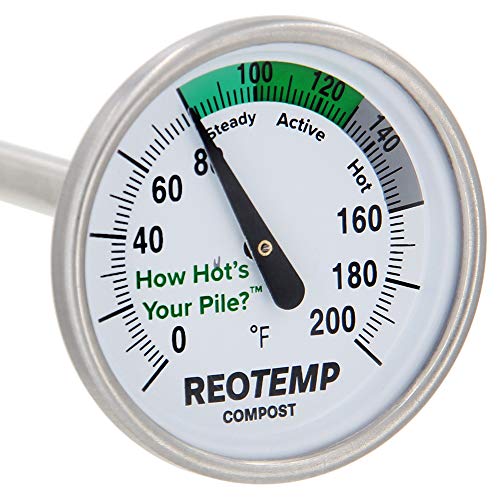
Reotemp 20 Inch Fahrenheit Backyard Compost Thermometer with Digital Composting Guide
- Ideal for Beginners: Includes free digital compost guide
- Trusted Brand: Reotemp thermometers since 1965
- Durable Construction: Stainless steel, 20-inch stem
As an affiliate, we earn on qualifying purchases.
As an affiliate, we earn on qualifying purchases.
Frequently Asked Questions
How Do I Protect My Garden From Early Fall Pests?
To protect your garden from early fall pests, start with targeted pest control by removing weeds and debris that attract insects. Use organic or chemical repellents as needed, and consider introducing beneficial insects like ladybugs. Cover vulnerable plants with row covers or netting to prevent pest access. Consistently monitor your garden for signs of pests, and act quickly to maintain garden protection and minimize damage.
When Is the Best Time to Plant Cover Crops?
As summer wanes and breezes shift, you should plant cover crops now, ideally in late summer or early fall. This planting schedule maximizes cover crop benefits, such as improving soil health and preventing erosion. You catch the change in season just as it begins, aligning your planting with nature’s rhythm. By timing it right, you’ll guarantee your soil stays fertile and ready for next year’s planting.
What Are Effective Ways to Extend My Growing Season?
To extend your growing season, you should use season extension techniques like row covers, cold frames, or hoop houses, which protect plants from early frosts. Incorporate crop rotation to improve soil health and prevent pests, enabling you to plant earlier or later in the year. These methods help maximize your harvest, allowing you to grow more crops and make the most of your homestead’s potential throughout the year.
How Can I Efficiently Harvest Late-Summer Crops?
You can efficiently harvest late-summer crops by timing your pickings early in the day and using clean tools. Investigate whether composting techniques could benefit your soil, boosting plant health for future crops. Don’t forget to test your soil, ensuring ideal nutrients and pH. This approach helps you maximize yields while maintaining soil vitality, making your harvests more productive and sustainable with less effort.
What Tools Are Essential for Late Summer Homestead Tasks?
You’ll need essential tools like pruning shears, a compost thermometer, and a watering can or drip irrigation system for water conservation. Pruning shears help with late-summer plant maintenance, while a compost thermometer guarantees proper composting techniques. Use water-saving tools to maintain your crops efficiently. These tools help you manage your homestead effectively, promoting healthy growth and sustainable practices during late summer.
Conclusion
As summer gently fades, remember that the true harvest often lies in the quiet moments of preparation and care. While the bustling tasks may seem tucked away, neglecting them can cast shadows over future bounty. Embrace these late-summer chores as subtle gestures of foresight, nurturing your homestead’s resilience. By tending to these often-overlooked duties, you’re weaving a subtle tapestry of abundance that quietly sustains you through seasons to come.