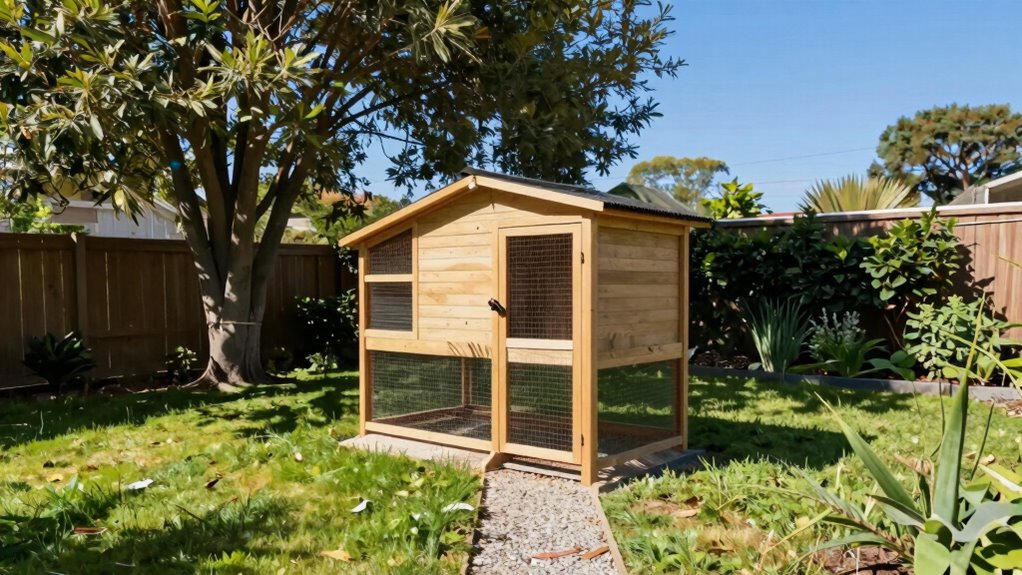

To guarantee safety and performance, place your chicken coop in an elevated, well-drained area away from dense brush and wooded spots, which attract predators. Choose a spot with easy access for maintenance, egg collection, and cleaning. Position it where it gets morning sunlight and some shade during hot days to keep your flock comfortable. Protect the coop from strong winds and predators with secure fencing. If you keep exploring, you’ll find tips to optimize your coop placement even more.
Key Takeaways
- Place the coop in a predator-resistant area away from dense woods and thick brush.
- Choose a well-drained, elevated site to prevent flooding and discourage burrowing predators.
- Position the coop where it receives morning sunlight and some shade during hot days for optimal health.
- Ensure the location is protected from strong winds and has good natural ventilation for airflow.
- Select a spot that allows easy access for cleaning, maintenance, and egg collection.
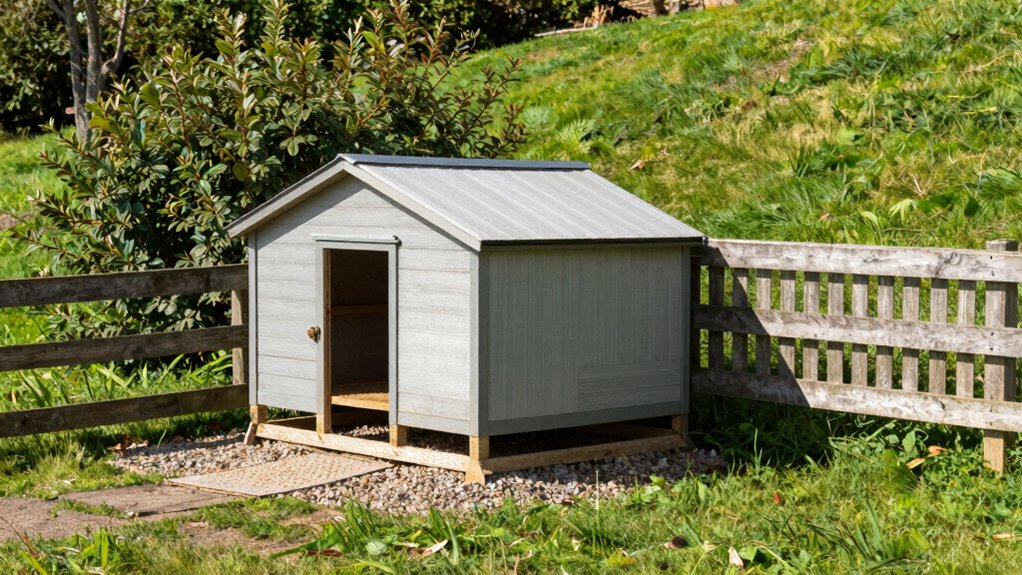
Choosing the right location for your chicken coop is crucial for keeping your flock healthy and happy. A well-placed coop not only protects your chickens from predators but also minimizes the environmental impact of your setup. When deciding where to put your coop, consider how predator security can be maximized. You want it in an area that’s difficult for raccoons, foxes, or other predators to access. Placing the coop on a slight elevation can prevent flooding and discourage burrowing animals from digging underneath. Secure fencing around the perimeter is essential, but the location of the coop itself should be where it’s easy to monitor and maintain. Avoid placing it near thick brush or dense woods, as these areas attract predators and provide cover for them to approach unnoticed.
In addition to predator security, think about the environmental impact of your coop placement. Your goal should be to reduce the strain on the land and prevent pollution runoff. Positioning the coop on well-drained soil helps prevent mud and standing water, which can become breeding grounds for pests and diseases. It’s best to choose a location that’s not too close to your house or neighboring properties, to minimize odors and noise that might disturb others. Keeping the coop at a reasonable distance also reduces the risk of contamination if waste isn’t managed properly. Factoring in the natural slope of your land; placing the coop on higher ground helps with drainage and helps keep runoff away from water sources like ponds or streams. Additionally, understanding the local climate can help determine the best placement for insulation and ventilation needs.
Sunlight exposure plays a key role in your chickens’ health. Find a spot that gets plenty of morning sunlight to support egg production and keep the coop dry. However, some shade during the hottest parts of the day can help prevent overheating. Trees or shade structures can be beneficial, but make sure they’re not so close that falling branches could damage the coop or create hiding spots for predators. Wind direction is another factor to weigh—placing the coop where it’s protected from strong winds can make your chickens more comfortable and reduce drafts that could harm them. Additionally, ensuring proper ventilation is vital for maintaining a healthy environment inside the coop, especially in humid climates.
Finally, think about ease of access for you. Position the coop where you can regularly tend to the chickens, clean the space, and collect eggs without difficulty. This convenience encourages consistent maintenance, which is important for predator security and overall health. Proper ventilation can also improve airflow and reduce moisture buildup inside the coop. By thoughtfully selecting the perfect spot, you guarantee your chickens stay safe, minimize your environmental impact, and create a sustainable, efficient setup.
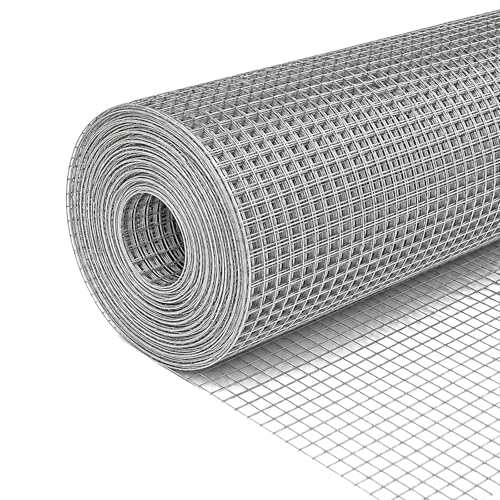
Cieex Hardware Cloth, 1/2inch 23Ga 16in x 50ft Chicken Wire Fencing, Galvanized Welded Chicken Wire Mesh for Chicken Coop Poultry Netting Garden, Predator Proof Chicken Wire Fence Roll
Hardware Cloth 1/2inch for Chicken Coop – 16 inch x 50 ft welded wire mesh made from 23-gauge…
As an affiliate, we earn on qualifying purchases.
As an affiliate, we earn on qualifying purchases.
Frequently Asked Questions
How Close Can a Chicken Coop Be to Neighboring Properties?
You should keep your chicken coop at least 10-15 feet away from neighboring properties to respect privacy and reduce noise. Use fencing options like sturdy wire or electric fences to create a barrier, and incorporate predator deterrents such as motion-activated lights or secure locks. This setup not only guarantees safety from predators but also maintains good neighborly relations by minimizing disturbances and potential conflicts.
What Are the Best Materials for Predator-Proofing a Coop?
Imagine a fortress blending sturdy materials with natural airflow. Use hardware cloth or welded wire mesh, which act as predator deterrents, to secure vents and windows. Reinforce doors with heavy-duty latches, and add a solid roof to prevent climbing predators. Good coop ventilation is essential to keep your chickens healthy, so choose materials that allow airflow without creating gaps. These choices protect your flock and promote safe, healthy living.
How Does Local Climate Influence Coop Placement?
Your local climate influences coop placement by guiding you to choose a location that minimizes weather impacts. In colder climates, place the coop where you can add climate-specific insulation and guarantee it’s shielded from harsh winds. In warmer areas, opt for shaded spots and plan for seasonal ventilation adjustments to prevent overheating. Proper placement helps maintain a comfortable environment year-round, keeping your chickens healthy and productive.
Are There Specific Zoning Laws for Chicken Coops?
Think of your backyard as a neighborhood, where urban zoning and building codes act like neighborhood rules. These laws specify where you can set up your chicken coop, ensuring safety and compliance. You’ll need to check local regulations, as some areas restrict poultry or require permits. Ignoring these rules can lead to fines or having to move your coop, so always verify zoning laws before building your feathered friend’s home.
How Should I Orient the Coop for Maximum Sunlight?
To maximize sunlight, orient your chicken coop so that it faces east or southeast, allowing it to catch the morning sun. This sunlight orientation helps keep your chickens warm and encourages egg production. Avoid placing the coop in direct shade from trees or structures, but include some shading to prevent overheating during hot afternoons. Proper coop shading guarantees your chickens stay comfortable year-round, balancing sun exposure and protection.

Magazoopet Extra Large Wooden Chicken Coop with Dual Runs for 6–10 Chickens, 2-Tier Elevated Hen House with Nesting Boxes, Expandable Connected Runs, Reinforced Frame, Slide-Out Tray, Grey
Spacious & Expandable Design: This premium backyard chicken coop grows with your flock. The upper level provides 2…
As an affiliate, we earn on qualifying purchases.
As an affiliate, we earn on qualifying purchases.
Conclusion
So, pick the perfect spot for your chicken coop, and you’ll reveal the secrets to a poultry paradise—safer than Fort Knox and more productive than a farm full of golden eggs! Imagine your chickens thriving in a sanctuary so ideal that even the most daring predators give up in despair. With the right placement, your coop becomes an unstoppable fortress of comfort and safety, turning your backyard into a legendary haven where chickens flourish like royalty.

IMSGVIFO 90% Shade Cloth, Chicken Coop Shade Cover, Sturdy Sunblock Mesh Tarp with Grommets for Patio Plants Greenhouse Kennel Porch Pergola Sun Protection Neting Cover, 5x10FT
80%-90% SHADING RATE: Our shading nets boast an impressive shading rate of 80%-90%, making them highly effective in…
As an affiliate, we earn on qualifying purchases.
As an affiliate, we earn on qualifying purchases.

2026 Upgraded 2-in-1 Chicken Poop Scooper & Rake with Handle, 12inch Heavy-Duty Metal Chicken Coop Scoop for Sand Sifting Shovel Litter Scooper for Farm House Chicken Coop Cleaning Tools Accessories
【2-in-1 Chicken Poop Scooper & Rake】- Tired of the messy chicken coop cleanups? Clean smarter with our upgraded…
As an affiliate, we earn on qualifying purchases.
As an affiliate, we earn on qualifying purchases.