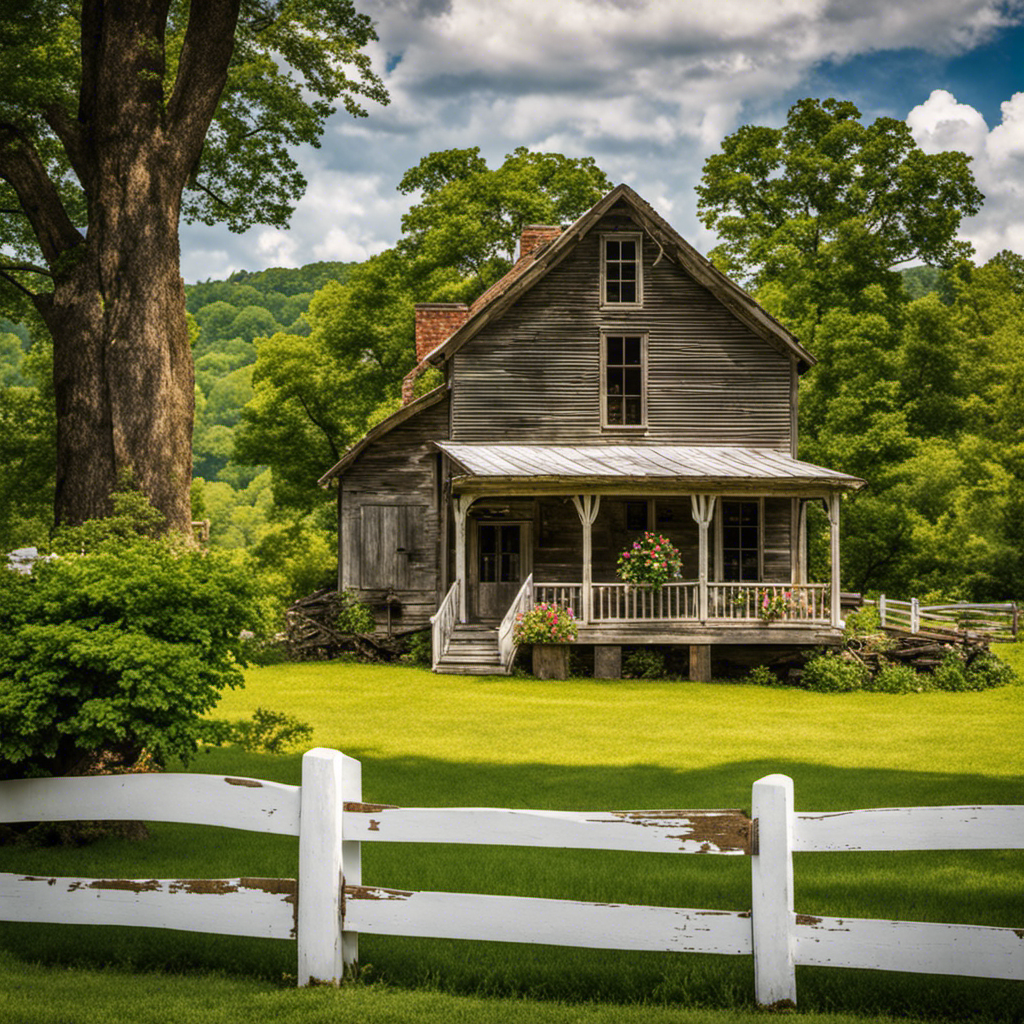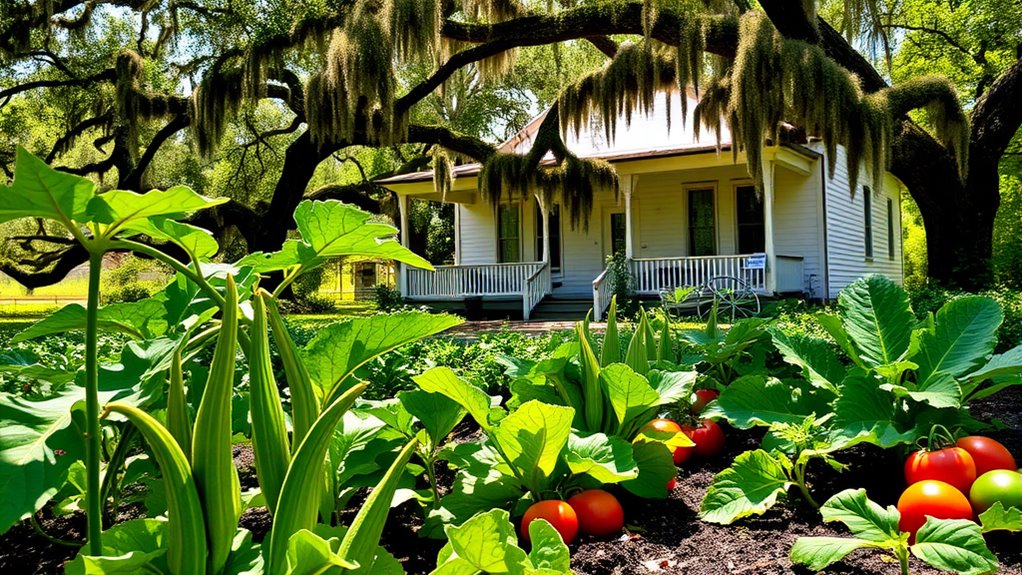

Gullah Geechee foodways and gardens celebrate a rich cultural heritage rooted in resilience and sustainability. You’ll see traditional ingredients like okra, sweet potatoes, and collard greens grown in community gardens that serve as living museums of history. These gardens help preserve plants, stories, and eco-friendly farming practices passed down through generations. By understanding these traditions, you gain insight into how food and land connect to identity and community strength. Keep exploring to discover the full story behind these vibrant traditions.

Get furniture and decor delivered free with Prime
- Fast, free delivery on millions of items
- Prime Video, Amazon Music and more included
- Member-only deals all year
Key Takeaways
- Gullah Geechee foodways reflect history, environment, and culture through traditional ingredients like okra and sweet potatoes.
- Gardens serve as living cultural museums, preserving plants, stories, and farming techniques across generations.
- Sustainable practices such as crop rotation and heirloom seeds support ecological balance and food security.
- Gardens connect to the local ecosystem, promoting biodiversity and environmental health.
- Culinary traditions reinforce community identity, resilience, and cultural preservation through daily routines and celebrations.
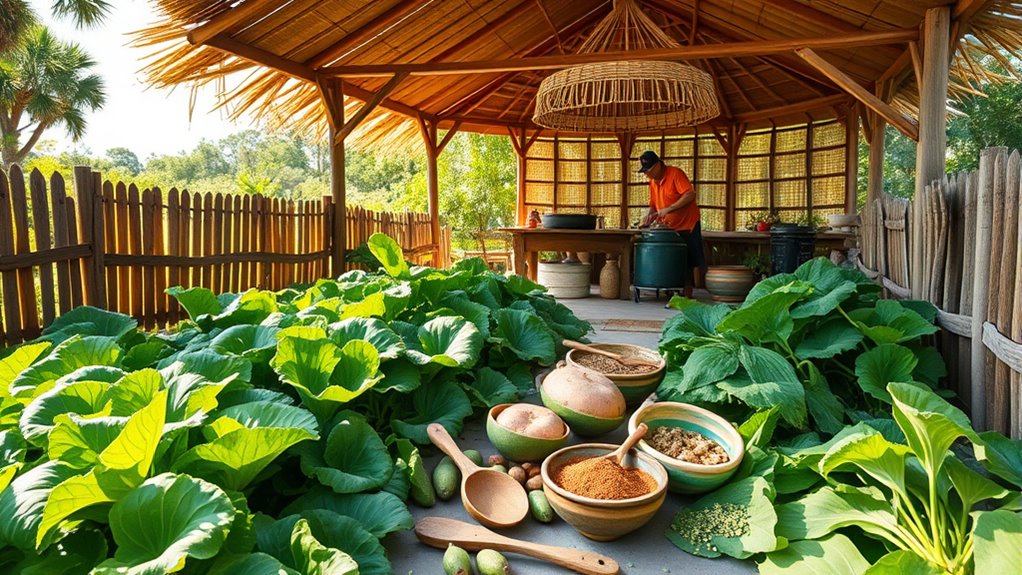
The Gullah Geechee community has preserved a rich culinary tradition rooted in their history, environment, and culture. This heritage is deeply connected to the land and sea, shaping their approach to food and farming. You’ll notice that sustainable farming plays a crucial role in maintaining the health of their gardens and ensuring the longevity of their culinary traditions. Instead of relying on large-scale, industrial methods, they focus on practices like crop rotation, composting, and natural pest control. These techniques help keep the soil fertile and the environment balanced, allowing them to grow fresh, flavorful ingredients that are central to their dishes.
Their culinary traditions are more than just recipes; they’re a reflection of history and resilience. You might find dishes that incorporate ingredients like okra, sweet potatoes, and collard greens—staples that have been cultivated for generations. These ingredients are often grown in their gardens, which serve as living museums of their culture. By maintaining these gardens, they preserve not only the plants themselves but also the stories and techniques passed down through generations. The emphasis on sustainable farming ensures that these traditions continue without depleting the environment, keeping the community’s foodways vibrant and resilient.
As you explore their gardens, you’ll see how closely tied they are to the local ecosystem. They use heirloom seeds and traditional planting methods, which contribute to the flavor and nutritional value of their food. This approach also helps protect biodiversity and promotes food security. Additionally, their focus on soil health and natural ecosystem balance supports long-term sustainability. The community’s commitment to sustainability means that their gardens are not just about growing food—they’re about cultivating a way of life that honors the land and its resources. You’ll notice that their culinary traditions are woven into daily routines and celebrations, reinforcing a sense of identity and continuity.
heirloom seed packets for vegetables
As an affiliate, we earn on qualifying purchases.
As an affiliate, we earn on qualifying purchases.
Frequently Asked Questions
How Do Gullah Geechee Traditions Influence Modern Cuisine?
You can see how Gullah Geechee traditions influence modern cuisine through fusion flavors that blend indigenous ingredients with contemporary dishes. Their cultural preservation shines in recipes that honor history while appealing to new tastes. By incorporating ingredients like okra, yams, and seafood, chefs create innovative meals that celebrate heritage. This ongoing influence keeps their vibrant culinary legacy alive, inspiring chefs and home cooks alike to honor tradition while embracing culinary evolution.
What Are the Most Common Native Plants Used in Gullah Gardens?
You’ll find that sweetgrass, yauch, and okra dominate Gullah gardens, making them vibrant and alive. Through native plant cultivation and traditional foraging, you’re immersed in a world where every leaf and root tells a story. These plants, like black-eyed peas and collard greens, aren’t just food—they’re living history, connecting you to ancestors and the land. Your garden becomes a portal to centuries-old traditions that shape your culinary soul.
How Do Gullah Geechee Foodways Vary Between Coastal and Inland Communities?
You’ll notice that Gullah Geechee foodways differ between coastal and inland communities through agricultural practices and cultural adaptations. Coastal groups often rely on seafood and saltwater crops, while inland communities focus more on sweet potatoes, greens, and fresh vegetables. These differences reflect their environments and history, shaping unique culinary traditions. You’ll see how these adaptations preserve cultural identity while responding to available resources, creating diverse and vibrant foodways across the regions.
Are There Specific Cooking Techniques Unique to Gullah Geechee Culture?
You’ll find that Gullah Geechee culture uses unique Sea Island techniques, especially for seafood preservation, like smoking and pickling. These methods help maintain freshness and flavor, reflecting a deep connection to the coast. You might notice slow-cooking seafood in seasoned broths or using traditional techniques passed down through generations. These techniques are essential to preserving the rich culinary heritage and ensuring the community’s access to fresh, flavorful seafood.
How Can Visitors Learn to Cultivate Traditional Gullah Geechee Crops?
You can learn to cultivate traditional Gullah Geechee crops through community gardening and traditional seed saving practices. Join local gardening groups or workshops where experienced growers share their secrets, turning you into a gardening wizard in no time. By practicing traditional seed saving, you’ll preserve heirloom varieties and deepen your connection to the culture. Imagine growing foods that have thrived for generations—your garden can become a living piece of history.
Conclusion
So, next time you indulge in Southern comfort food, remember it’s more than just tasty—it’s centuries of Gullah Geechee resilience simmered into every bite. Their gardens and foodways aren’t just about sustenance; they’re a snarky reminder that culture, history, and a little bit of sass can survive and thrive against all odds. So go ahead, savor those flavors, and give a silent nod to the ancestors who grew, cooked, and fought to keep their traditions alive—one delicious bite at a time.
Halloween Picks
halloween
As an affiliate, we earn on qualifying purchases.