
To survive harsh winters on Adirondack farmsteads, you need to reinforce structures to handle heavy snow and fierce winds. Insulate barns and homes, seal gaps, and clear snow from pathways and roofs. Develop a winter feeding plan, stockpile feed, and protect livestock with windbreaks and heated water sources. Staying vigilant with weather updates and adapting tasks guarantees safety. Keep going to discover detailed strategies for making your farmstead winter-ready and resilient.
Key Takeaways
- Adirondack farmsteads reinforce buildings and insulate structures to withstand heavy snow loads and fierce winter winds.
- Winter livestock protection includes windbreaks, insulated water sources, and strategic feeding plans.
- Routine chores are scheduled around daylight, with indoor shelter options during storms to ensure animal safety.
- Land maintenance involves snow removal from pathways and roofs, and safeguarding against power outages.
- Adaptations like structural reinforcement and strategic land modifications enable Adirondack farmsteads to thrive despite harsh winters.
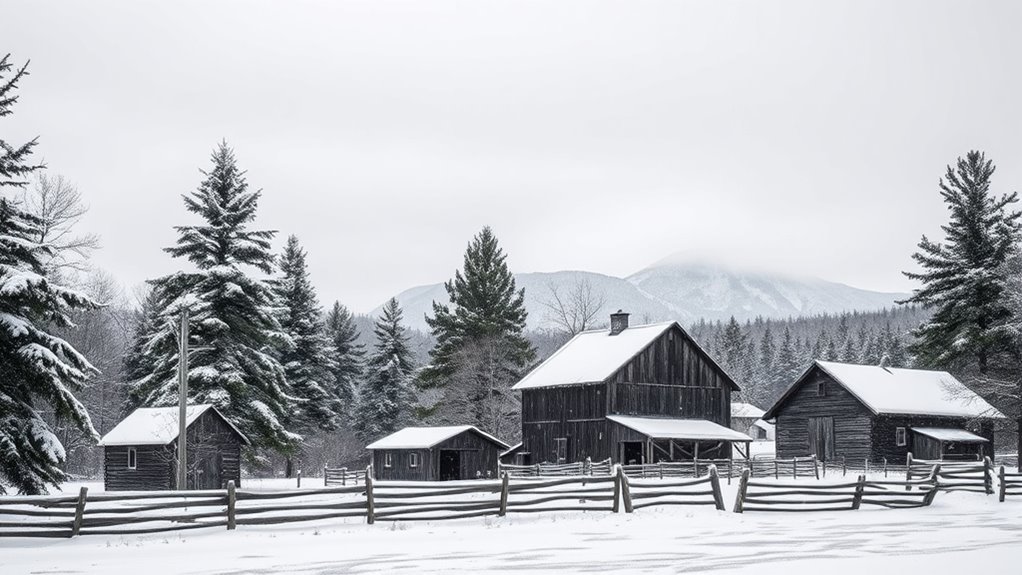
Living in Adirondack farmsteads means facing the relentless challenges of harsh winters that test both your resilience and resourcefulness. When snow blankets the landscape and temperatures plummet, your ability to adapt becomes essential for winter survival. The cold season demands more than just enduring; it requires strategic farmstead adaptations that keep you safe and productive despite the severe conditions. You learn quickly that preparation isn’t optional—it’s indispensable for weathering the winter months.
Adirondack farmsteads require strategic winter adaptations to survive and thrive amid harsh conditions.
You start by reinforcing your structures to withstand heavy snow loads and fierce winds. Insulating barns, outbuildings, and even your main home becomes a priority, helping to conserve heat and reduce energy costs. You might add extra insulation or seal gaps around windows and doors, making sure no heat escapes and cold drafts don’t infiltrate your living space. These improvements aren’t just comfort measures—they’re critical for winter survival, as they keep your livestock warm and your family safe during the coldest months.
Farmstead adaptations extend beyond just buildings. You develop a robust winter feeding plan, knowing that outside forage becomes scarce. You stockpile hay, silage, and other feed supplies to guarantee your animals stay healthy and strong. You also set up windbreaks—rows of trees or shrubs that block icy gusts—protecting livestock and crops from the brutal winter winds. You learn to monitor water sources carefully, often using heated troughs or insulated pipes to prevent freezing, because access to water is fundamental for both your animals and your own needs.
Your approach to winter survival also involves adjusting your daily routines. You plan chores around daylight hours, prioritizing tasks that keep your animals warm, hydrated, and fed. You might create indoor spaces where your livestock can take refuge during the worst storms. Staying ahead of the weather forecast becomes second nature, as you prepare for snowstorms that can cut you off from supplies or make travel dangerous. Additionally, understanding the importance of refrigeration cycle knowledge helps you keep perishables fresh during power outages, ensuring your food supplies remain safe.
The land itself demands respect; you clear snow from critical pathways and ensure your roofs are cleared of accumulation to prevent collapse. You learn to read the signs of changing weather and adapt your farmstead activities accordingly. These farmstead adaptations are not just practical—they’re indispensable for maintaining a sustainable life through winter’s brutal grip. In this environment, resilience isn’t just about enduring; it’s about actively shaping your farmstead to thrive despite the harsh conditions, making winter a season you’re prepared for rather than one that catches you off guard.
insulated barn and farmstead walls
As an affiliate, we earn on qualifying purchases.
As an affiliate, we earn on qualifying purchases.
Frequently Asked Questions
How Do Farmsteads Adapt to Extreme Winter Temperatures?
You adapt your farmstead to extreme winter temperatures by focusing on winter insulation, keeping your buildings warm and energy-efficient. You also manage snow effectively by regular snow removal and creating windbreaks, which prevent heat loss and protect livestock. These strategies help you maintain a stable environment, ensuring your farmstead stays functional and safe despite the harsh winter conditions. Proper insulation and snow management are essential for winter resilience.
What Are the Best Winter Crops for Adirondack Farms?
When winter whispers its icy secrets, you should plant winter hardy vegetables like kale, spinach, and Brussels sprouts, which stand strong against freezing temps. Indoor seed starting becomes your secret weapon, allowing you to grow seedlings in a warm, protected environment before transplanting outdoors. These strategies guarantee continuous harvests and keep your farm thriving despite the cold, turning winter’s challenge into your greatest opportunity.
How Do Farmers Prepare Livestock for Harsh Winters?
You prepare your livestock for harsh winters by providing a sturdy winter shelter that keeps them warm and protected from the elements. Guarantee your feed management is efficient by stockpiling hay and grain to meet their increased nutritional needs. Regularly check shelters for drafts and damage, and adjust feeding routines to maintain their health and energy levels throughout the cold months. Proper preparation keeps your animals safe and comfortable all winter long.
What Historical Winter Challenges Shaped Adirondack Farmsteads?
Imagine a fortress standing strong against icy winds—that’s what historic barn construction did for Adirondack farmsteads. These sturdy structures, built to withstand brutal cold, shaped winter challenges by providing shelter and storage. Farmers developed winter migration strategies, moving livestock to protected areas or insulating barns to survive harsh winters. These adaptations became essential, turning adversity into resilience, and defining the enduring character of Adirondack farm life through history.
Are There Modern Technologies Aiding Winter Farming in the Region?
Yes, modern technologies help you farm during winter. You can use greenhouse innovations to extend your growing season and protect crops from cold temperatures. Snow removal techniques, like heated driveways or snow blowers, make it easier to access your farm and keep pathways clear. These advancements allow you to work more efficiently and maintain productivity despite harsh winter conditions, ensuring your farm stays active year-round.

MUDUOBAN 13L Heated Water Bowl for Large Dog and Cat, 3.5 Gallon Heated Chicken Waterer for Winter, Livestock Water Trough with Anti-Chew Cord & 6 Temperature Settings & 24H Timer
LARGE CAPACITY: Our 13L/3.5 gallon heated water bowl is used for multiple pets, large breed, cats, and poultry…
As an affiliate, we earn on qualifying purchases.
As an affiliate, we earn on qualifying purchases.
Conclusion
As you stand amidst the weathered farmsteads, you realize they’re more than just buildings—they’re symbols of resilience. Like sturdy trees enduring winter’s grip, these farms remind you that strength is born through hardship. The harsh winters test your spirit, but they also forge a deep connection to the land and its history. Embrace the struggle, for it’s in these icy battles that true endurance and hope are quietly rooted, waiting to bloom anew.

Photo: Typical Windbreak for Animals on sharecropper Farms, Southeast Missouri Farms
As an affiliate, we earn on qualifying purchases.
As an affiliate, we earn on qualifying purchases.
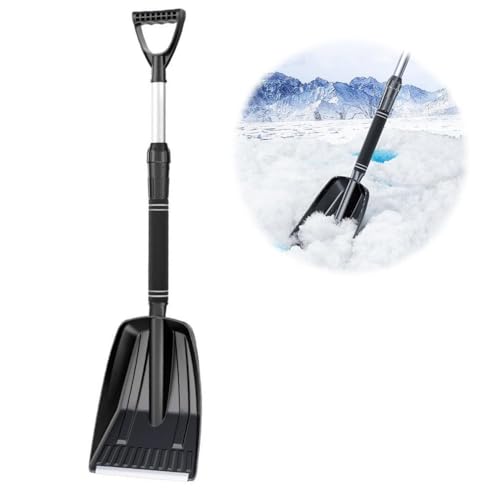
Snow Shovel,Home Garage Snow Removal with Ergonomic Handle,Heavy-Duty Lightweight Shoveling Tool,Long Large Capacity Shovel for Garden Car Camping Outdoor (Black)
【Wider Blade for 30% Faster Snow Removal】The enlarged shovel head significantly boosts single-scoop capacity, making it ideal for…
As an affiliate, we earn on qualifying purchases.
As an affiliate, we earn on qualifying purchases.