Wisconsin’s dairy barns have transformed dramatically over time. Innovations include adopting sustainable materials like recycled wood and eco-friendly insulation, which improve herd health and reduce environmental impact. Automation plays a key role, with robotic milking systems ensuring efficient, stress-free milking while providing real-time health data. These advancements boost productivity and farm sustainability simultaneously. If you explore further, you’ll discover how these modern practices continue to shape Wisconsin’s dairy industry today.
Key Takeaways
- Wisconsin has historically led dairy farming innovations, evolving barn designs for herd health and farm efficiency.
- Modern barns incorporate recycled wood, eco-friendly insulation, and sustainable roofing materials to reduce environmental impact.
- Sustainable barn designs improve herd health by creating cleaner, temperature-controlled environments, enhancing overall farm sustainability.
- Automated milking systems enable continuous, stress-free milking and provide real-time herd health data.
- The integration of automation and eco-friendly materials has transformed Wisconsin’s dairy landscape, boosting productivity and sustainability.

Wisconsin has long been a leader in dairy farming, and recent innovations in dairy barn design are transforming how farmers care for their herds. One of the most notable advancements is the increased use of sustainable materials in barn construction. You’ll notice that modern barns incorporate recycled wood, eco-friendly insulation, and low-impact roofing materials, all aimed at reducing environmental footprints. These sustainable materials not only help conserve resources but also improve the overall health of the herd by creating a cleaner, more natural environment. As you walk through these barns, you’ll see how eco-conscious choices are becoming standard, making dairy farming more sustainable and efficient.
Along with sustainable materials, automated milking systems are revolutionizing dairy operations. You might find that your farm now uses robotic milking machines that can operate around the clock, offering a more consistent and stress-free experience for your cows. Automated milking allows you to monitor each cow’s health in real-time, providing data on milk yield, udder health, and overall well-being. This technology reduces the need for manual labor, freeing you up to focus on other aspects of farm management. Plus, it ensures that each cow is milked at ideal times, improving milk quality and production efficiency. These systems are designed to be user-friendly, with interfaces that allow you to track and manage the herd remotely, giving you more flexibility and control.
The integration of sustainable materials with automated milking equipment is a game-changer for dairy farms. For example, barns built with eco-friendly insulation and flooring materials facilitate better temperature regulation, which complements the comfort provided by robotic milking stations. You can expect these innovations to lead to healthier cows, higher milk yields, and a lower environmental impact. The combination of environmentally conscious construction and cutting-edge automation is reshaping Wisconsin’s dairy landscape, making farms more resilient and sustainable over the long term. Incorporating hybrid systems can further optimize farm productivity by combining different technological approaches for maximum efficiency.

Cow Milking Machine Pump Automatic Powerful Milking Vacuum Milker Machine Adjustable Suction Cow Milker Portable Milking Machine for Dairy Cows Sheep Goat Milking Machine (Battery Vacuum Pump)
Pulsation Massaging Milking: The pulsation system imitates the frequency of lambs or calves milking, pulsating 45-47 times per…
As an affiliate, we earn on qualifying purchases.
As an affiliate, we earn on qualifying purchases.
Frequently Asked Questions
How Have Dairy Barn Designs Impacted Milk Quality Over Time?
You’ll find that dairy barn designs have ensure improved milk quality over time by enhancing dairy feeding practices and barn aesthetics. Modern designs promote better airflow, cleanliness, and cow comfort, reducing stress and contamination risks. When you prioritize barn aesthetics, you create a healthier environment that encourages consistent milk production. These innovations ensure cows stay healthier and produce higher-quality milk, demonstrating how thoughtful barn design directly impacts your dairy operation’s success.
What Role Has Technology Played in Modernizing Dairy Barns?
They say, “Necessity is the mother of invention,” and modern dairy barns prove it. Technology has revolutionized your barns with smart milking systems that boost efficiency and climate control to guarantee ideal conditions for your cows. These innovations not only improve milk quality but also make management easier, helping your dairy operation stay competitive. Embracing tech means you’re staying ahead, turning tradition into a smarter, more sustainable future.
How Do Barn Innovations Affect Cow Health and Productivity?
Barn innovations markedly boost cow health and productivity by enhancing cow comfort and improving ventilation systems. You’ll notice healthier cows that experience less stress and better airflow, which reduces respiratory issues. Comfortable, well-ventilated barns encourage higher milk yields and better reproductive performance. By investing in these innovations, you create a healthier environment, leading to more efficient dairy operations and happier, more productive cows.
What Sustainability Practices Are Incorporated Into Recent Barn Designs?
You incorporate sustainability practices like renewable energy and waste management into recent barn designs to reduce environmental impact. Solar panels and wind turbines generate clean energy, lowering reliance on fossil fuels. Effective waste management, including manure conversion into biogas and compost, minimizes pollution and recycles nutrients. These practices not only promote eco-friendliness but also improve farm efficiency, helping you meet sustainability goals while maintaining productive, healthy dairy operations.
How Do Regional Climate Differences Influence Barn Construction Choices?
Imagine the climate as an artist shaping your barn’s design; it influences your choices profoundly. You adapt to regional climate differences by selecting climate adaptation strategies and regional materials that suit your environment. In colder areas, you might add insulation and windbreaks, while in warmer regions, ventilation becomes key. These choices guarantee your barn remains durable, energy-efficient, and comfortable, reflecting a smart blend of climate awareness and local resources.
eco-friendly insulated dairy barn materials
As an affiliate, we earn on qualifying purchases.
As an affiliate, we earn on qualifying purchases.
Conclusion
As you reflect on Wisconsin’s dairy barn innovations, it’s fascinating how small changes often sparked big advancements—like a single idea that transformed the industry. You might find it surprising how tradition and innovation intertwine, shaping the future of dairy farming. Just as a well-timed breakthrough can revolutionize a farm’s productivity, your own insights could spark the next big change. History shows that sometimes, the most unexpected moments lead to the greatest progress.
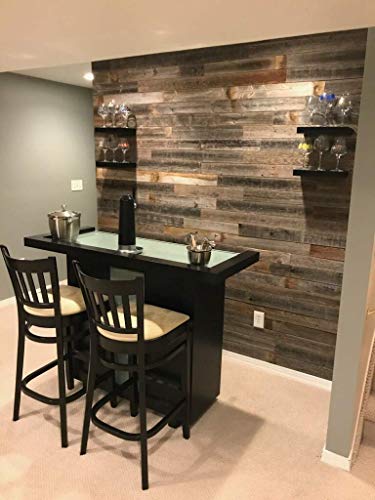
Rockin' Wood Real Wood Nail Up Application Rustic Reclaimed Naturally Weathered Barn Wood Accent Paneling Board Planks for Home Walls (104 Square feet)
RECLAIMED WOOD ACCENT: Real reclaimed and recycled wood, naturally-weathered wood paneling adds a beautiful, rustic accent to your…
As an affiliate, we earn on qualifying purchases.
As an affiliate, we earn on qualifying purchases.

Animal Welfare Assessment: Novel Approaches and Technologies
As an affiliate, we earn on qualifying purchases.
As an affiliate, we earn on qualifying purchases.