TL;DR

Get furniture and decor delivered free with Prime
- Fast, free delivery on millions of items
- Prime Video, Amazon Music and more included
- Member-only deals all year
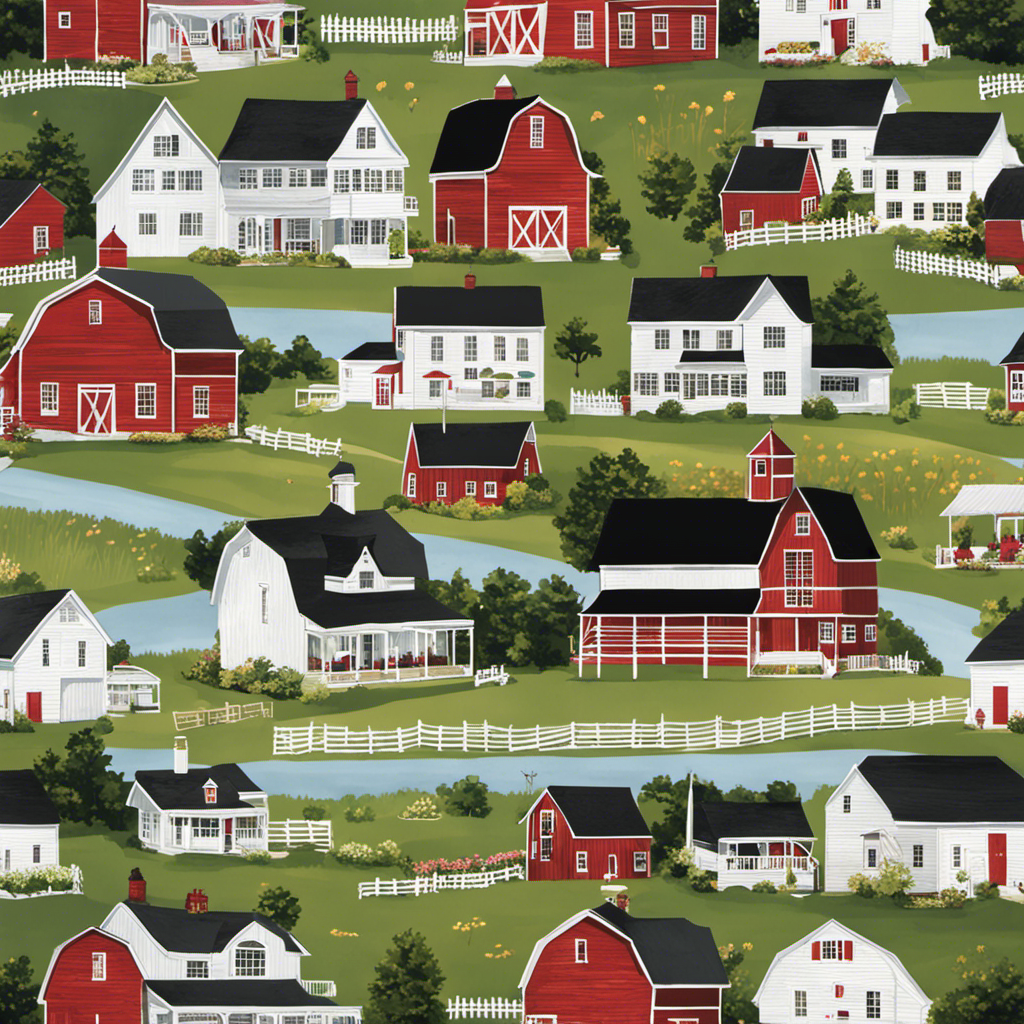
Aimee and Kevin Buccellato designed a new 6,000-square-foot farmhouse in Momence, Illinois, to appear as though it had developed gradually over generations. The project also restored the property’s original 19th-century barn and corn crib; the designers described the goal as making the new house feel rooted in the agricultural setting.
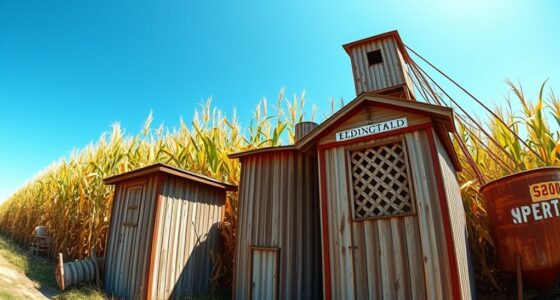
Designers Aimee and Kevin Buccellato built a 6,000-square-foot farmhouse in Momence, Illinois, to look as if it had belonged to the rural property for generations, according to a House Beautiful report. The project paired the new four-bedroom home with restoration of the site’s 19th-century barn and corn crib, aiming to preserve the character of a familiar agricultural landscape.
The homeowners are a retired couple returning to their Midwestern roots. Aimee Buccellato said the property held personal meaning because the clients grew up nearby. Their request, she said, was for the new house to feel so established that neighbors might think the original farmhouse remained, carefully renovated and expanded. The report does not identify the homeowners or give a completion date.
The design draws on traditional farm complexes, which often took shape through additions over time. The Buccellatos said they used that pattern to connect the new construction to the site’s Folk-Victorian farmhouse and agricultural-building traditions. House Beautiful describes the home as having four bedrooms and four and a half bathrooms, with interiors featuring antique white oak floors, salvaged beams and floral patterns.
Several rooms connect the house to the surrounding land. The kitchen replaces upper cabinets with a wall of windows facing the farmland, while a nearby dish room and larder hold practical storage. A glass porch looks toward the Kankakee River, and a small speakeasy references the former farmhouse’s stone foundation. The report also describes a dining-room mural inspired by the river and a sitting room with traditional furnishings.
A New House Shaped by Farm History
The project shows one way a new home can be designed to fit into an established rural setting without presenting itself as a replica of a specific historic building. The approach relies on scale, materials, landscape views and traditional forms, while the restored barn and corn crib provide a direct connection to the property’s past. That distinction matters: the house is new, even as its design is intended to suggest age and continuity.
For the homeowners, the design also links a return to their home region with the creation of a new place to live. The farm complex was treated as more than a backdrop: the restored outbuildings, river views and agricultural references inform how the house looks and functions. The designers’ stated preference for a home that feels “sensitive, not wasteful, polite, not ostentatious” frames the project as an effort to defer to its surroundings rather than dominate them.
Products Worth Considering

Dyson W1 PencilWash Cordless Wet and Dry Floor Cleaner with Dock

Philips Hue White and Color Ambiance Smart Light Starter Kit, 2 A19 Bulbs with Hub

Ring Alarm Pro 14-Piece Home Security Kit with Built-In eero Wi-Fi 6 Router
As an affiliate, we earn on qualifying purchases.
Restoring the Farmstead Setting
The property sits on a country road in Momence, in an agricultural area of Illinois. House Beautiful characterizes the original farmhouse as a local landmark and reports that the rebuilding included work on the 19th-century barn and corn crib. It does not provide a detailed account of the original house’s condition or specify which parts, if any, were retained in the new construction.
The designers’ references to historic farm complexes informed the composition of the house and its outbuildings. Inside, materials such as salvaged barnboards and white oak echo the site’s agricultural history, while the kitchen windows and glass porch direct attention to the farmland and river. These details support the stated aim of making the home feel connected to the place, rather than documenting a complete restoration of the original farmhouse.
“At the outset of the project, and throughout, our clients wanted the new house to feel like it had always been there.”
— Aimee Buccellato, co-founder of Buccellato Design and Architecture
Project Details Not Reported
The House Beautiful report does not state when construction was completed, what the project cost, or whether the original farmhouse was demolished, substantially rebuilt or partly incorporated into the new house. It describes the home as new construction and says the barn and corn crib were restored, but does not give a scope of work for either restoration.
The article also does not identify the homeowners or include independent commentary from preservation specialists, neighbors or local officials. The description of the property as a landmark and the intended impression that the old house remained are presented in the design report; they are not evidence that the new building is historic or that the original farmhouse survives intact.
No Further Milestone Listed
The source report presents the finished home and its design but does not announce a future construction phase, public opening or preservation review. The next practical development for readers seeking more detail would be additional information from the designers or homeowners about the project’s timeline, the original farmhouse and the work completed on the outbuildings. No such plans are specified in the report.
Key Questions
Where is the new farmhouse?
The home is in Momence, Illinois, on a country road in an agricultural setting, according to House Beautiful.
How large is the house?
The reported home covers 6,000 square feet and has four bedrooms and four and a half bathrooms.
Was the farmhouse itself centuries old?
No. The report describes it as new construction designed to look longstanding. The property also includes an original 19th-century barn and corn crib that were restored.
What features give the house an older farmhouse feel?
The designers used details including antique white oak floors, salvaged beams, barnboards and traditional furnishings. The layout and views also connect the house to the farmland, barn and Kankakee River.
Source: housebeautiful.com