
To properly cure sweet potatoes, keep them in a warm (around 85°F), humid environment for 4 to 7 days without washing them to develop sweetness and durability. After curing, store them in a cool, dark, well-ventilated place at about 55°F—avoid refrigeration to prevent flavor change. Use breathable containers like baskets or paper bags, and check regularly for spoilage. Continue exploring these techniques to maximize their freshness and flavor longevity.
Key Takeaways
- Cure sweet potatoes by holding them in 85°F (29°C) and 85% humidity for 4-7 days without washing.
- Proper curing enhances flavor, skin durability, and long-term storage quality.
- Store cured sweet potatoes in a cool, dark, well-ventilated area around 55°F (13°C).
- Avoid refrigeration to prevent flavor loss and hardening; use breathable containers like paper bags.
- Regularly check stored sweet potatoes for spoilage or sprouting to maintain freshness.
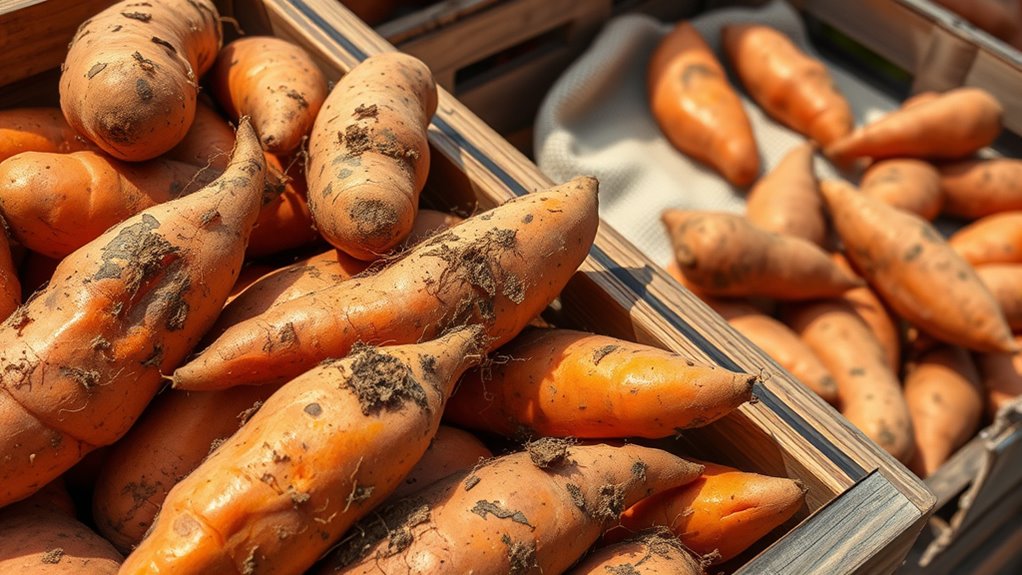
Sweet potatoes are a versatile and nutritious root vegetable, but knowing how to properly cure and store them guarantees they stay fresh and flavorful for longer. When you understand the basics of sweet potato nutrition, you’ll appreciate their health benefits even more. These tubers are rich in fiber, vitamins A and C, manganese, and antioxidants, making them a smart addition to your diet. Whether you enjoy roasting, mashing, or adding them to stews, sweet potatoes are a delicious and nutritious ingredient that can enhance many sweet and savory recipes. Proper curing and storage help preserve these nutrients, guaranteeing your sweet potatoes remain a healthy staple in your kitchen.
Curing is an essential step that involves holding sweet potatoes in a warm, humid environment for a few days after harvesting. This process allows the skin to toughen and the starches to convert into sugars, which improves flavor and texture. To cure your sweet potatoes, keep them at about 85°F (29°C) with roughly 85% humidity for 4 to 7 days. During this period, avoid washing them, as excess moisture can promote rot. Instead, gently brush off any dirt. Once cured, the skins become more durable, reducing the risk of damage during storage and helping retain their nutritional value longer. Additionally, proper curing can enhance the natural sweetness, making them more enjoyable in various recipes.
Storage is just as important as curing. After curing, you want to keep your sweet potatoes in a cool, dark, and well-ventilated place. Temperatures around 55°F (13°C) are ideal, as they prevent sprouting and spoilage. Avoid storing sweet potatoes in the refrigerator, as the cold temperature can alter their flavor and make the flesh hard and unpleasant. Keep them in a breathable container like a paper bag or a basket, and make sure to check on them regularly for any signs of spoilage or sprouting. Proper storage not only prolongs shelf life but also preserves the sweet potato’s nutritional quality, so you get the maximum health benefits with each bite.
When it comes to using your stored sweet potatoes, you can incorporate them into a variety of sweet potato recipes that suit your taste. From hearty baked sweet potatoes to creamy soups and sweet potato casseroles, there’s no shortage of ways to enjoy this nutritious root vegetable. Proper curing and storage ensure that every recipe you make is packed with flavor and nutrients. By taking the time to cure and store your sweet potatoes correctly, you’re guaranteeing they stay fresh, tasty, and full of healthful goodness for weeks to come. Moreover, understanding the best storage conditions can help prevent spoilage and ensure you enjoy your sweet potatoes at their peak quality.
sweet potato curing box
As an affiliate, we earn on qualifying purchases.
As an affiliate, we earn on qualifying purchases.
Frequently Asked Questions
Can Sweet Potatoes Be Frozen Without Cooking First?
Yes, you can freeze raw sweet potatoes, but it’s best to peel and cut them first. To prevent freezer burn, follow proper storage tips like blanching the pieces briefly before freezing. This process helps preserve flavor and texture. Place the cut sweet potatoes in airtight containers or freezer bags, removing excess air. Properly stored, they’ll last several months, making it easy to have them ready for future meals.
How Long Do Sweet Potatoes Last at Room Temperature?
Sweet potatoes are like fiery gems that need careful handling; at room temperature, they typically last about 1 to 2 weeks. To maximize their sweet potato shelf life, keep them in a cool, dark, well-ventilated place, away from direct sunlight and moisture. Under ideal storage conditions, they stay fresh longer. Check regularly for soft spots or sprouting, which signals it’s time to use them soon.
Are There Specific Varieties Better for Curing and Storage?
Certain varieties of sweet potatoes, like Beauregard and Jewel, are better for curing and storage because they have thicker skins and higher sugar content. You should choose these for storage optimization, as they cure more effectively and last longer. Look for firm, unblemished roots, and cure them in a warm, humid environment for about a week. Properly selected varieties and curing techniques guarantee your sweet potatoes stay fresh and flavorful longer.
What Are Signs of Spoilage in Stored Sweet Potatoes?
You’ll know your sweet potatoes are spoiled if you notice sprouting, mold, or discoloration. Sprouting indicates they’re past their prime, while mold and dark spots signal decay. Discoloration, such as soft or blackened areas, also suggests spoilage. If the potatoes feel mushy or have an unpleasant odor, it’s best to discard them. Always check for these signs before using stored sweet potatoes to guarantee freshness and safety.
Can Sweet Potatoes Be Stored in the Refrigerator Long-Term?
You can store sweet potatoes in the refrigerator long-term, but it’s not ideal for all varieties. Keep them in a cool, dark place, ideally in breathable storage containers like mesh bags or baskets. If you choose to refrigerate, use an airtight container to prevent moisture build-up. Remember, refrigeration can change their texture, so for the best flavor and quality, store sweet potatoes in a cool, well-ventilated area instead.

Wood Potato Onion Storage Bins – Wooden Stackable Produce Basket – Fruit Vegetable Storage for Kitchen Pantry Organization, Set 3 Pieces
Stackable Design: This set of three pantry storage bins offers flexible organization for any kitchen or pantry. Stack…
As an affiliate, we earn on qualifying purchases.
As an affiliate, we earn on qualifying purchases.
Conclusion
Now that you know how to cure and store sweet potatoes, you’re like a skilled gardener tending a treasured garden. Proper curing seals in their sweetness, while the right storage keeps them fresh as a hidden treasure waiting to be uncovered. Treat your sweet potatoes with care, and they’ll reward you with delicious bites long after harvest. Keep these tips close, and your sweet potatoes will remain a flavorful blessing in your kitchen, just like a well-kept secret.

Custom Fruit & Vegetable Cold Storage – Agricultural Walk-in Cooler Temperature Control for Farm Produce, Prefabricated Cold Room with Polyurethane Insulated Panels for Orchard and Greenhouse Harvest
【Fully Customizable】: We offer a variety of models and configurations to help you create a customized solution. The…
As an affiliate, we earn on qualifying purchases.
As an affiliate, we earn on qualifying purchases.
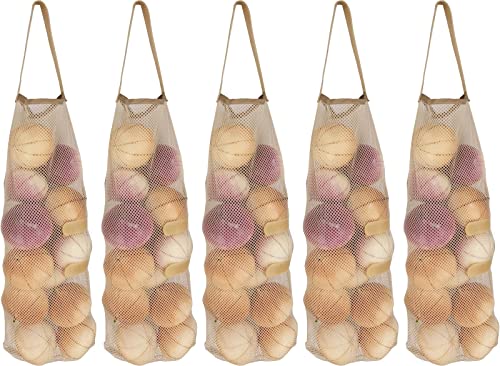
GINFH Hanging Mesh Storage 5Pack Potato & Onion Bags – Large Reusable Net Produce Bags (Beige)
5 Pack Multipurpose Net Produce Bag for Home RV Camper Storage: breathable and hanging storage mesh bag can…
As an affiliate, we earn on qualifying purchases.
As an affiliate, we earn on qualifying purchases.