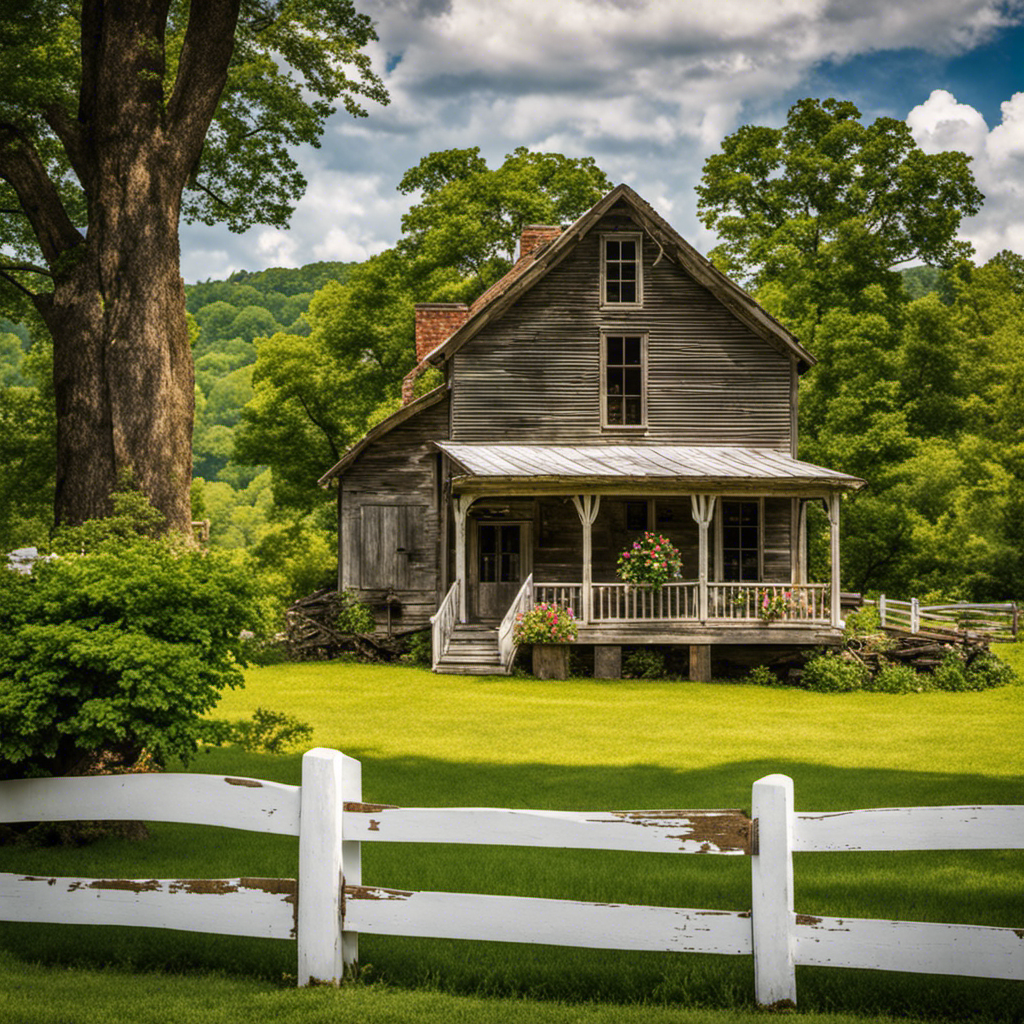
In rural Southern gardens, you see how food, medicine, and ornament blend effortlessly, creating vibrant, meaningful spaces. You’ll find herbs like mint, sage, and hibiscus that serve as flavorful ingredients, natural remedies, and decorative touches. These gardens connect you to traditions passed down through generations, using simple tools and native seeds. They’re adaptable, reflecting resilience and community spirit. If you explore further, you’ll discover the rich stories and practices that make these gardens truly special.

Get furniture and decor delivered free with Prime
- Fast, free delivery on millions of items
- Prime Video, Amazon Music and more included
- Member-only deals all year
Key Takeaways
- Rural Southern gardens integrate edible plants, medicinal herbs, and decorative flowers to serve multiple community functions simultaneously.
- Traditional storytelling preserves knowledge of plants’ uses for food, healing, and ornament, reinforcing cultural identity.
- Plants like mint and hibiscus are cultivated for their culinary, medicinal, and aesthetic qualities within garden arrangements.
- Garden practices adapt over time, blending new plants and methods while maintaining core cultural and sustainable principles.
- Sustainable techniques, such as natural fertilizers and resource-efficient tools, support the multifunctionality of these gardens.

In rural Southern communities, gardens are more than just patches of land—they’re essential sources of food, medicine, and ornament that connect residents to their heritage and environment. You probably know these gardens aren’t just about growing vegetables or flowers; they’re living histories that carry centuries of tradition and knowledge. When you practice traditional planting, you’re not only cultivating crops but also preserving methods passed down through generations. These practices often involve simple tools, native seeds, and intuitive techniques that suit the local climate and soil. It’s about working with nature, not against it, ensuring the plants thrive while maintaining a connection to cultural roots. Incorporating sustainable practices, like natural fertilizers and water conservation, helps keep these gardens resilient for future generations.
Community storytelling plays a vital role in these gardens. You might gather with neighbors or family members to share stories about the plants—how they were used for healing, cooking, or decoration. These stories aren’t just nostalgic tales; they serve as practical knowledge, guiding you on when to harvest, how to prepare, or how to use various plants medicinally. As you tend to your garden, you’re also participating in a living dialogue that weaves together history, health, and aesthetics. This storytelling keeps traditions alive, fostering a sense of belonging and identity that’s rooted in the land. Additionally, understanding the horsepower of electric dirt bikes can inspire innovative ways to power garden tools sustainably in rural areas.
Sharing stories about plants keeps traditions alive and strengthens community bonds through history, health, and beauty.
The blending of food, medicine, and ornament in Southern gardens isn’t accidental. Plants like mint, sage, and hibiscus serve multiple purposes—they’re flavorful herbs, natural remedies, and beautiful additions to your space. You see this multifunctionality in the way people arrange their gardens, mixing vibrant flowers with medicinal herbs and edible greens. Every plant has a story, a purpose, and a place, making the garden a dynamic tapestry of life. It’s a deliberate act of blending utility with beauty, where each element enhances the other and strengthens community bonds. Many of these practices are supported by sustainable backyard design, ensuring the garden remains healthy and productive over time.
You notice that in these gardens, tradition isn’t static but adaptable. New plants might be introduced, and older methods might evolve, but the core principles remain. The act of planting becomes a form of storytelling—each seed sown is a chapter, each harvest a shared experience. You’re part of a continuum that values resilience, resourcefulness, and cultural expression. In this way, rural Southern gardens become more than just spaces for growth—they’re living symbols of a community’s history, health, and artistry, woven tightly together through practice and storytelling. Developing traditional planting techniques can help ensure these gardens continue to thrive and adapt to changing conditions.
As an affiliate, we earn on qualifying purchases.
Frequently Asked Questions
How Did Rural Southern Gardens Develop Their Unique Blending of Food, Medicine, and Ornament?
You see, rural southern gardens developed their unique blending of food, medicine, and ornament through historical influences like indigenous practices and African traditions. These communities used their gardens as spaces for artistic expressions, incorporating colorful plants and decorative elements. This fusion allowed them to meet practical needs while also celebrating cultural identity, making their gardens vibrant and multifunctional, reflecting a deep connection between health, aesthetics, and history.
Are There Specific Plants Commonly Used for All Three Purposes in These Gardens?
Did you know that sassafras is a plant often used in rural southern gardens for food, medicine, and ornament? You’ll find herbal remedies like chamomile and mint alongside plants with deep cultural symbolism, such as magnolia. These plants serve triple purposes, blending practical health benefits with visual beauty and cultural significance. It’s this rich integration that makes these gardens uniquely meaningful, connecting tradition, healing, and ornamentation seamlessly.
How Do Cultural Traditions Influence Garden Design and Plant Selection?
Cultural traditions heavily influence your garden design and plant choices by emphasizing cultural symbols and practices. You select plants that hold spiritual or historical significance, integrating them into artistic arrangements that reflect your heritage. These traditions guide your layout, ensuring that each plant and ornament tells a story or honors ancestors. Your garden becomes a living tribute, blending food, medicine, and decoration through culturally meaningful symbols and creative arrangements.
What Are the Safety Considerations When Using Garden Plants for Medicinal Purposes?
When using garden plants for medicine, you need to prioritize safety by practicing proper identification and toxicity awareness. Always verify the plant species before harvesting, as misidentification can lead to dangerous side effects. Avoid using plants without thorough knowledge, and educate yourself on potential toxicity levels. Consulting with a healthcare professional or experienced forager guarantees you’re making safe choices, preventing accidental poisoning, and protecting your health.
How Has Modern Agriculture Impacted Traditional Garden Practices in the South?
Modern agriculture has considerably impacted traditional southern garden practices by shifting focus toward large-scale, sustainable farming methods. You might notice a decline in crop diversity, as monoculture becomes more common, reducing the variety of medicinal and ornamental plants. This change can threaten the preservation of traditional knowledge, but embracing sustainable farming practices helps protect these cultural gardens, ensuring that diverse plants remain available for food, medicine, and ornamentation.
Conclusion
Like the timeless whispers of the Old South, your garden becomes a living testament to tradition—where food, medicine, and ornament intertwine seamlessly. By nurturing these humble spaces, you honor a legacy as rich as the land itself, echoing the wisdom of generations past. In tending your garden, you carry forward a story of resilience and harmony, reminding us that in nature’s quiet embrace, we find the roots of our health, beauty, and heritage—an enduring Southern song.
Halloween Picks
halloween
As an affiliate, we earn on qualifying purchases.