
TL;DR
Homeowners are increasingly opting for DIY hexagon fabric window coverings made from scraps to save money and add personality. This method uses stitched or glued fabric panels to create light-filtering, customizable treatments.
Homeowners seeking affordable, unique window solutions are increasingly bypassing traditional treatments in favor of DIY hexagon fabric coverings. This method, which transforms scrap fabric into honeycomb-style panels, offers a customizable alternative that allows sunlight to filter through while significantly reducing costs compared to store-bought options.

Get furniture and decor delivered free with Prime
- Fast, free delivery on millions of items
- Prime Video, Amazon Music and more included
- Member-only deals all year
The core of this trend involves creating strands of hexagon-shaped fabric panels that mimic the aesthetic of honeycomb shades but with greater personalization. According to reports from Hunker, the process requires cutting two identical hexagon shapes from fabric, sewing or gluing them together with a small opening, and then flipping them right-side out to create padded, three-dimensional panels. These panels are then stitched together at their points or sides to form vertical strands that can be hung from a standard curtain rod using clip-on rings.
Cost savings are a primary driver for this approach. The project utilizes existing fabric scraps, old curtains, or sheets, which eliminates the need to purchase new materials. For those without a scrap stash, the report notes that thrifting fabrics and using inexpensive embellishments like decorative tassels or lace keeps the project budget-friendly. The flexibility of the design allows makers to adjust the size of the hexagons to fit the specific dimensions of their windows and the size of their available fabric pieces.
Functionality and aesthetics are balanced by the design’s ability to filter light rather than block it. Unlike heavy drapes that can make a room feel dark, the gaps between the hexagon panels allow natural light to enter while providing a degree of privacy. The report highlights that no-sew variations are possible using fabric tape or glue, making the project accessible to those without sewing skills. This accessibility has broadened the appeal of the technique beyond craft enthusiasts to general homeowners looking for quick, low-cost decor updates.
Why Homeowners Are Ditching Store-Bought Treatments
This shift reflects a broader consumer desire for personalized home decor that avoids the high price tags and generic designs of mass-produced window coverings. Traditional treatments are often criticized for being overpriced and lacking unique character, leading many to seek alternatives that offer both financial savings and creative control. By repurposing materials, homeowners reduce waste and tailor the look of their windows to match specific interior themes, such as cottagecore or boho styles, without committing to expensive custom orders.
Products Worth Considering

Philips Hue Smart Light Starter Kit with Bridge and 4 White and Color A19 Bulbs

Google Nest Doorbell (Wired, 2nd Generation), Snow
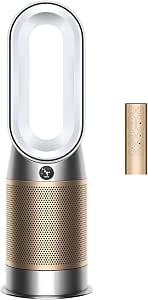
Dyson Purifier Hot+Cool HP2 De-NOx
As an affiliate, we earn on qualifying purchases.
Evolution of DIY Window Covering Techniques
Window treatment trends have long oscillated between functional privacy solutions and decorative statements. While traditional blinds and drapes remain popular for their ease of installation, they often lack the visual interest desired by design-conscious consumers. The rise of online DIY communities has facilitated the sharing of techniques like the hexagon fabric method, which draws on principles of patchwork and quilting. This method is part of a larger movement toward upcycling, where old textiles are given new life as functional home items, aligning with both economic and environmental motivations.
Durability and Long-Term Performance Questions
While the aesthetic and cost benefits are clear, long-term durability of fabric-based coverings compared to commercial products remains unverified. Factors such as fading from sun exposure, wear from frequent handling, and dust accumulation in the fabric seams could affect the lifespan of these DIY solutions. Additionally, the stability of the strands when exposed to strong drafts or when moved for cleaning is not extensively documented in available reports.
Expanding Customization and Layering Options
Homeowners experimenting with this technique are exploring further customization options, such as mixing geometric shapes like squares and circles or incorporating beaded strands for added texture. The trend also encourages layering, where these fabric coverings are paired with blinds or window film to enhance privacy and light control. As the technique gains popularity, expect to see more variations in hanging mechanisms, including ribbon loops and fabric headers, to suit different curtain rod styles.
Key Questions
Do I need a sewing machine for this project?
No. The report states that a no-sew version can be created using fabric tape or fabric glue, making it accessible to those without sewing experience.
How much fabric do I need?
You need to cut twice as many pieces as the number of hexagon panels you want, as each panel requires a front and back piece. The size can be adjusted based on your available scraps.
Can these coverings provide privacy?
They offer partial privacy due to the gaps between panels. For more privacy, the report suggests layering them with blinds or window film.
What supplies are required besides fabric?
Essential supplies include thread or fabric glue and clip-on curtain rings. Optional embellishments like tassels, lace, or buttons can be added for customization.
Source: rss