
TL;DR

Get furniture and decor delivered free — and shop member deals
- Fast, free delivery on millions of items
- Access to Prime Big Deal Days deals on October 6–7
- Prime Video, Amazon Music and more included
The resale, thrift, and vintage markets are expanding rapidly, with projections showing significant growth through 2029 and beyond. This shift reflects changing consumer values towards sustainability and unique design, impacting both markets and interior trends.
Global secondhand apparel and furniture markets are expanding rapidly, with industry reports confirming significant growth driven by younger consumers and sustainability trends. This shift is transforming how people shop for clothing and home furnishings, making vintage and thrift items mainstream rather than niche.
According to ThredUp’s 13th Annual Resale Report, the global secondhand apparel market is projected to reach approximately $367 billion by 2029, with the U.S. contributing about $74 billion. This growth rate outpaces traditional retail, indicating a fundamental change in consumer preferences. Similarly, UK-based marketplace Vinterior reports a 53% year-on-year increase in vintage furniture sales to interior designers in 2026, reflecting a rising appreciation for aged, unique pieces.
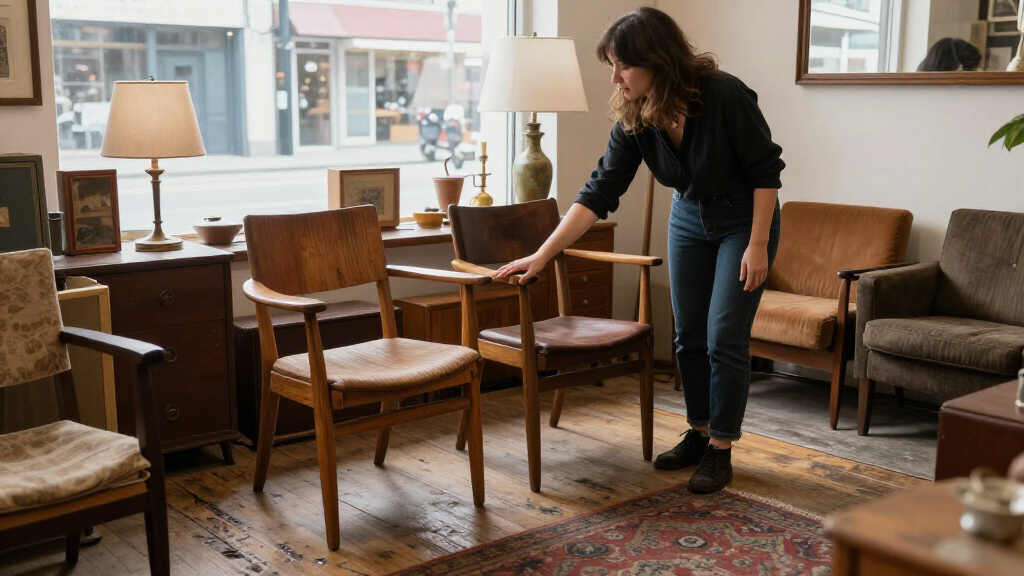
Market analysts estimate that the secondhand furniture market will grow from roughly $47 billion in 2025 to around $62.7 billion by 2031. Companies like Mordor Intelligence and Technavio highlight eco-consciousness and the desire for distinctive design as key drivers. Additionally, a 2026 survey by 1stDibs shows that 81% of interior designers regularly incorporate vintage pieces from the early 20th century into their projects, cementing vintage’s role in modern aesthetics.
Changing Consumer Values Elevate Vintage and Thrift
This rapid growth in resale and vintage markets signals a shift in consumer values, emphasizing sustainability, individuality, and history over newness. It impacts retail strategies, interior design practices, and environmental considerations, making vintage and secondhand items central to mainstream culture. The trend also reflects broader societal movements toward eco-consciousness and a desire for authentic, storied objects.
As an affiliate, we earn on qualifying purchases.
Historical Shift Toward Sustainability and Unique Design
Traditionally, newness was associated with success and status, especially in fashion and furniture. However, recent decades have seen a gradual shift, with secondhand shopping once confined to niche communities. The rise of online platforms, social media, and increased awareness of environmental issues have propelled resale and vintage markets into the mainstream. Industry data from ThredUp and other sources highlight how younger consumers, particularly Gen Z, prioritize sustainability and individuality, driving this change. High-end interior designers now routinely incorporate vintage pieces, reflecting a broader cultural embrace of aged, well-crafted objects that tell a story.
This transition is also marked by a broader cultural appreciation for imperfection and patina, with consumers valuing history and authenticity in their possessions. The trend toward upcycling and repurposing is not only about aesthetics but also about reducing waste and promoting sustainable consumption.
“Vintage pieces are no longer just accents; they are central to modern design, adding character and a sense of history that new furniture often lacks.”
— Emma Johnson, Interior Designer
Uncertainties About Market Sustainability and Regulation
While growth projections are strong, it remains unclear how market fluctuations, potential regulatory changes, or supply chain issues could impact the resale and vintage sectors in the coming years. The long-term sustainability of this rapid expansion is still being evaluated by analysts, and shifts in consumer sentiment or economic conditions could alter the trajectory.
Future Trends and Market Developments to Watch
Industry experts expect continued growth in resale and vintage markets, with technological innovations like blockchain and authentication services further legitimizing secondhand transactions. Additionally, mainstream retailers may increasingly incorporate vintage and upcycled items into their collections. Monitoring how regulations, supply chains, and consumer preferences evolve will be key to understanding the sustainability of this trend.
Key Questions
Why are vintage and secondhand markets growing so rapidly?
The growth is driven by younger consumers valuing sustainability, uniqueness, and authenticity, supported by online platforms and increased awareness of environmental issues.
Will this trend continue to expand?
Most analysts expect ongoing growth, especially as technological innovations and changing consumer values reinforce the appeal of vintage and resale items.
How is high-end interior design incorporating vintage pieces?
Interior designers are increasingly sourcing vintage furniture and decor, valuing their character, history, and the sustainable aspect of upcycling.
Are there risks or challenges facing the resale market?
Potential challenges include supply chain disruptions, regulatory changes, and shifts in consumer sentiment, which could impact growth trajectories.
What role does technology play in this market’s future?
Technologies like blockchain for authentication and online marketplaces will likely facilitate trust and expand access, further fueling growth.
Source: rss
Halloween Picks
halloween
As an affiliate, we earn on qualifying purchases.