
Proper site orientation greatly impacts your southwestern acreage by maximizing natural warmth and light, which helps reduce energy costs. Positioning your land to take advantage of southern exposures ensures brighter living spaces and a more comfortable environment. Correct wind protection and strategic land features can also shield you from strong gusts and erosion. If you want to understand how to optimize your land for sustainability and long-term comfort, keep exploring these key planning principles.

Get furniture and decor delivered free with Prime
- Fast, free delivery on millions of items
- Prime Video, Amazon Music and more included
- Member-only deals all year
Key Takeaways
- Southern exposures maximize solar gain, reducing heating costs and enhancing indoor comfort in southwestern climates.
- Proper orientation offers wind protection, decreasing drafts and preventing damage from strong southwestern winds.
- Aligning land features optimizes water runoff and soil stability, crucial in arid southwestern regions.
- Site orientation improves outdoor shade and cooling, making outdoor spaces more comfortable during hot southwestern summers.
- Strategic layout increases land value and sustainability by integrating natural elements and promoting energy-efficient living.
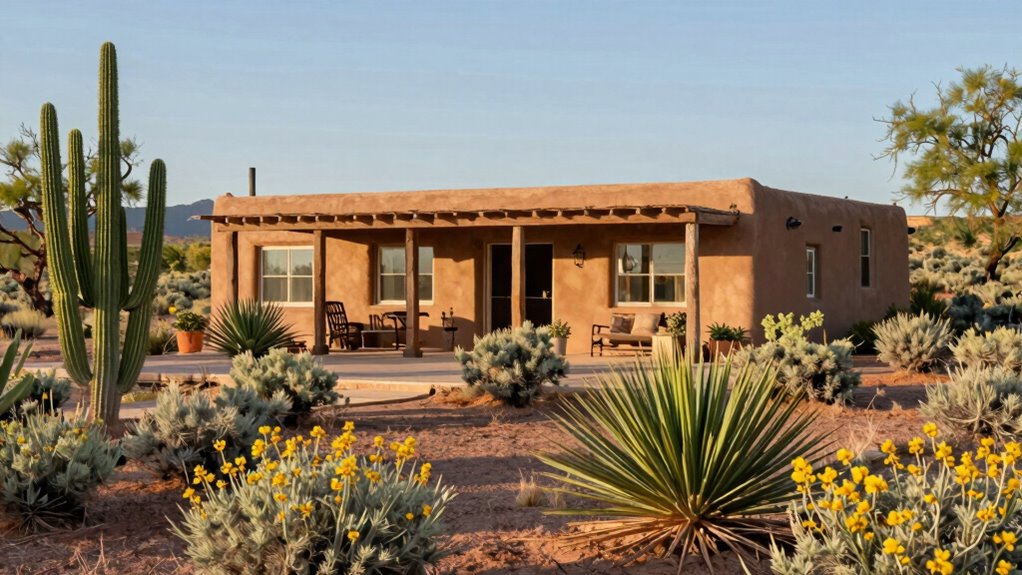
Have you ever wondered how the orientation of your southwestern acreage can impact its overall usability and appeal? The way your land faces sunlight and wind plays a significant role in shaping its comfort, energy efficiency, and even its value. When you plan your site’s layout, understanding how solar gain and wind exposure work can help you make smarter decisions. For instance, orienting your property to maximize solar gain ensures your home and outdoor spaces receive ample sunlight, reducing heating costs during cooler months. In the southwestern region, where the sun tends to be intense, taking advantage of southern exposures allows you to harness natural warmth and light, making your living areas brighter and more comfortable. Proper orientation can also help you create shaded outdoor spaces that stay cool during the hottest parts of the day, improving your overall enjoyment of the land. Additionally, paying attention to natural land features and contours can further enhance the land’s long-term usability, helping you develop a resilient and efficient property. Recognizing the importance of site-specific factors can lead to more informed decisions that benefit your land over time.
Optimizing land orientation boosts solar gain, enhances comfort, and increases property value through smart sunlight and wind awareness.
Wind exposure is another essential factor. Southwestern landscapes often experience strong, persistent winds that can affect everything from building integrity to outdoor comfort. By observing the prevailing wind patterns, you can position structures to act as windbreaks, reducing the impact of gusts that might otherwise cause discomfort or damage. Properly aligned fences, trees, or natural land formations can deflect or slow the wind, helping to protect your home and outdoor features. This not only enhances comfort but can also lead to savings on heating and cooling by reducing drafts and wind-driven heat loss.
The orientation of your acreage also influences water runoff and soil erosion, which are critical considerations for long-term land usability. Properly aligned land contours can facilitate better drainage, preventing water from pooling or eroding valuable topsoil. This, in turn, affects your ability to cultivate gardens or grow crops, especially in a southwestern climate where water management is essential. By carefully selecting the site’s orientation, you can optimize the land’s natural features, making it easier to develop and maintain.
Ultimately, the way your southwestern acreage faces the sun and wind shapes your entire experience on the land. It impacts energy efficiency, outdoor comfort, and land management. When you pay close attention to these elements, you’re making a strategic investment in your property’s long-term usability and appeal. Proper site orientation isn’t just about aesthetics; it’s about creating a sustainable, comfortable environment that works with nature rather than against it.
solar outdoor lights for southwestern landscape
As an affiliate, we earn on qualifying purchases.
As an affiliate, we earn on qualifying purchases.
Frequently Asked Questions
How Does Climate Influence Site Orientation Choices?
Climate directly influences your site orientation choices by requiring you to take into account microclimate considerations and optimize solar exposure strategies. You’ll want to position your structures to maximize sunlight during colder months and minimize heat gain during hotter periods. By understanding local climate patterns, you can orient buildings to harness natural light, improve energy efficiency, and create comfortable living spaces, ensuring your design adapts effectively to the regional weather conditions.
What Are Common Mistakes in Orienting Southwestern Acreage?
One common mistake in orienting southwestern acreage is neglecting to optimize landscape design for sunlight, which can reduce energy efficiency by up to 30%. You might overlook privacy considerations, placing structures or fences in ways that expose your space to neighbors or excessive sun. Failing to take these factors into account compromises comfort, energy savings, and privacy—key elements for a successful southwestern landscape. Prioritize thoughtful site orientation to maximize benefits and minimize issues.
How Does Site Orientation Affect Energy Efficiency?
Your site orientation directly impacts energy efficiency by optimizing solar gain and natural lighting. By facing your home to maximize sunlight during winter and minimize it in summer, you reduce reliance on artificial heating and cooling. Proper orientation allows sunlight to warm your space naturally, lowering energy bills. Additionally, it enhances natural lighting, decreasing the need for electric lighting during the day, making your home more sustainable and cost-effective.
Can Site Orientation Impact Property Value?
Your property’s value can skyrocket or plummet based on site orientation. When you choose the right orientation, you maximize natural light and energy efficiency, boosting appeal. Thoughtful landscaping strategies and privacy considerations become easier, making your home more attractive to buyers. Conversely, poor orientation can limit these advantages, decreasing your property’s desirability. So, yes, site orientation has a powerful impact on your property’s value, shaping its curb appeal and overall market worth.
What Tools Are Best for Planning Site Orientation?
You should use tools like solar shading analysis software and landscape design programs to plan site orientation effectively. These tools help you visualize how sunlight and shadows will move throughout the day, ensuring ideal placement of structures and plantings. By analyzing solar paths and integrating landscape design, you can maximize energy efficiency and aesthetic appeal, making your site more sustainable and valuable in the long run.
Conclusion
By paying close attention to site orientation, you can turn your land into a thriving oasis, much like a gardener aligning plants for ideal sunlight. Think of it as tuning an instrument—small adjustments can produce harmony and efficiency. When you consider the sun’s path and prevailing winds, you’re not just planning a landscape; you’re orchestrating a symphony of natural elements that work together to maximize comfort, sustainability, and beauty on your southwestern acreage.
Halloween Picks
halloween
As an affiliate, we earn on qualifying purchases.