To save seeds effectively, use sturdy paper envelopes to keep them dry and protected from moisture. Label each envelope clearly with a waterproof pen, including details like plant name, variety, and collection date, possibly color-coding for organization. Store the envelopes in a cool, dark, and dry place, adding silica gel or rice to absorb humidity. Regularly check for mold or damage to guarantee seed viability. Keep scrolling to discover more tips on organizing your seed stash.
Key Takeaways
- Use sturdy, moisture-proof paper envelopes to keep seeds dry and protected.
- Label envelopes with waterproof pens, including plant name, variety, and collection date.
- Store envelopes in a cool, dark, and dry location to maintain seed viability.
- Incorporate silica gel or dried rice inside envelopes to absorb excess moisture.
- Regularly check stored seeds for dampness or damage and remove any moldy seeds promptly.

Saving seeds is an excellent way to preserve your favorite plants and save money for future gardening seasons. When it comes to seed storage, using paper envelopes is one of the simplest and most effective methods. They keep seeds dry and allow for easy labeling, which is vital for keeping track of different plant varieties. To start, choose clean, dry paper envelopes that are sturdy enough to hold the seeds without tearing. You can find these at garden centers or repurpose used envelopes. The key is to guarantee the envelopes are free of moisture and dirt, so your seeds stay viable for longer periods.
Once you have your envelopes, focus on proper labeling techniques. Clear, legible labels are essential because they prevent confusion down the line. Write the plant name, variety, date of collection, and any other relevant details directly on the envelope with a waterproof pen. This way, if moisture or handling occurs, your labels won’t smudge or fade. Consider including additional information like seed source or planting instructions if you want to be extra thorough. Some gardeners even color-code their labels to distinguish between different plant groups or harvest years, making it easier to organize your seed collection. Ensuring proper storage conditions is crucial for seed viability, as storage conditions greatly influence how long seeds remain viable.
Label seeds clearly with waterproof ink to prevent smudging and ensure easy organization.
When storing your seeds in envelopes, fold them securely to prevent spillage, and place them in a cool, dark, and dry location. A dedicated drawer, bin, or container works well, provided it maintains a consistent environment. Keep in mind that seed viability depends heavily on storage conditions, so avoid areas with high humidity, temperature fluctuations, or direct sunlight. For added protection, you might include silica gel packets or dried rice inside the storage container to absorb excess moisture.
Regularly check your seed storage to guarantee that no envelopes are damp or damaged. If you notice any signs of mold or deterioration, remove those seeds immediately to prevent spreading. Before planting, you can also test seed germination by sprouting a few seeds from each envelope. This step helps you determine the best timing for sowing and ensures your efforts lead to healthy plants.

Joyberg 156 PCS Seed Envelopes 3.15”x 4.72”, Seed Packets Envelopes Kraft Seeds Saving Envelope, Self Sealing Seeds Storage Mini Envelope for Flower Vegetable
SUITABLE SIZE: The size of these seed envelopes is 3.15 "x 4.72", small and lightweight, easy to carry…
As an affiliate, we earn on qualifying purchases.
As an affiliate, we earn on qualifying purchases.
Frequently Asked Questions
How Long Can Seeds Be Stored in Paper Envelopes?
Seeds stored in paper envelopes can last anywhere from a year to several years, depending on the seed type and storage conditions. To maximize seed longevity, keep envelopes in a cool, dark, and dry place. While paper envelopes are durable enough for short-term storage, make sure they’re sealed tightly to prevent moisture. Properly stored, your seeds stay viable longer and are ready for planting when you need them.
What Types of Seeds Are Best Suited for Paper Envelope Storage?
Like delicate butterflies, some seeds need gentle handling. Seed viability varies, but typically, you’re best suited to store small, dry seeds like beans, peas, and herbs in paper envelopes. These seed preservation techniques help maintain their freshness and viability longer. Avoid storing seeds with high oil content or moisture-sensitive types in paper, as they might spoil faster. Focus on seeds that thrive with proper drying and cool, dark storage conditions.
How Should I Organize Seed Labels for Easy Identification?
You should organize your seed labels by using color coding for quick identification and creating clear label categories like vegetable, flower, and herb seeds. Write legibly and include details like seed type, planting date, and variety. Keep labels consistent and store them with your envelopes. This way, you’ll easily find what you need and keep your seed collection well-organized for future planting seasons.
Can Paper Envelopes Prevent Seed Mold or Deterioration?
Paper envelopes can help prevent seed mold and deterioration by providing effective moisture control, keeping seeds dry and protected. They also enhance label durability, ensuring your seed information stays clear over time. To maximize protection, use thicker, acid-free paper, and store envelopes in a cool, dry place. Regularly check for signs of moisture or damage, and replace envelopes if needed. This approach keeps your seeds viable and labels intact.
What Is the Ideal Storage Environment for Paper-Sealed Seeds?
You should store paper-sealed seeds in a cool, dry place with stable temperature and proper moisture control. Keep them away from direct sunlight, humidity, and temperature fluctuations, which can cause mold or deterioration. A climate-controlled environment like a basement or pantry works well. Make sure the paper envelopes are completely dry before sealing, and consider placing them in an airtight container to maintain consistent conditions, extending seed viability.

Plant Labels 120PCS, Darfukei Outdoor Waterproof Garden Markers, Plastic Nursery Seed Plant Tags with Bonus a Permanent Marking Pen, Gardening Gifts for Women Men…
1.Value Set: Darfuke Plant labels include 120pcs, enough plant markers to meet your different needs, and a free…
As an affiliate, we earn on qualifying purchases.
As an affiliate, we earn on qualifying purchases.
Conclusion
By using paper envelopes and labels, you make seed saving simple and effective. This method keeps your seeds organized and ready for planting next season. Plus, it’s a low-cost, eco-friendly way to preserve your garden’s bounty. Remember, a stitch in time saves nine—taking these small steps now will save you headaches later. Get started today, and watch your garden thrive with well-preserved seeds that stand the test of time.

Vbeijll 5 Gram (50 Pack) Color-Indicating Silica Gel Packets, Premium Food Grade Desiccant – Rechargeable Moisture Absorbers for Food Storage, Electronics, 3D Filament & Safes
FOOD GRADE & SAFE: The storage desiccant packs are made from food grade silicone and has passed a…
As an affiliate, we earn on qualifying purchases.
As an affiliate, we earn on qualifying purchases.
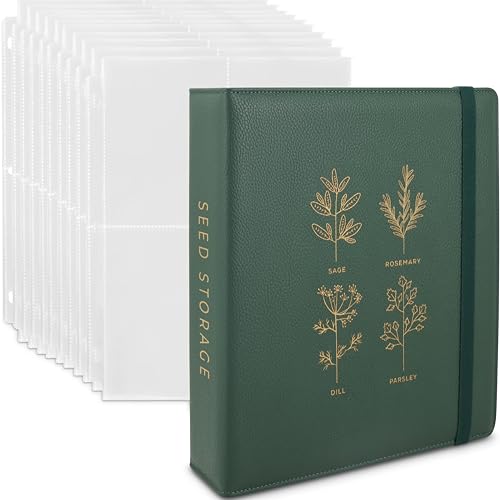
Seed Storage Organizer Binder – Seed Packet Organizer with 50 Pack Sheet Protectors that stores 200 Seed Envelopes. Seed Storage Binder delivering complete Seed Saving Kit for every Garden Lover.
Fit 200 seed packets in 1 place; large seed binder organizer with 50 pack of 4 pocket sheet…
As an affiliate, we earn on qualifying purchases.
As an affiliate, we earn on qualifying purchases.