TL;DR

Get furniture and decor delivered free with Prime
- Fast, free delivery on millions of items
- Prime Video, Amazon Music and more included
- Member-only deals all year
Rustic farmhouse coffee tables pair natural-looking wood, simple sturdy forms, and textured finishes with practical details such as shelves or drawers. Before buying, measure the sofa and walkways, aim for a table about two-thirds of the sofa’s length, and leave roughly 14–18 inches between the table and seating. Choose a finish and shape that suit your room, then protect the surface with coasters and prompt spill cleanup.
A beautiful coffee table can still be a daily nuisance if you have to squeeze past it to reach the sofa. Rustic farmhouse coffee tables bring warm grain, sturdy shapes, and a relaxed lived-in feel to a room, but the right one has to fit your space as well as your style.
Here you’ll find what gives these tables their farmhouse character, how to choose a useful size and shape, and what to check before you buy. A few careful measurements can save you from hauling home a handsome table that blocks the path to the door.
Look for natural-looking wood, a sturdy shape, and a finish whose texture suits your room.
Start with a table around two-thirds of your sofa’s length, then measure your walkways.
Leave roughly 14–18 inches between the table and seating as a starting point for reach and movement.
Choose round, oval, or nesting designs when a rectangular table makes a small room feel crowded.
Check wood claims, assembly details, shipping weight, and care instructions before ordering.
What gives a farmhouse table its warm, lived-in look?
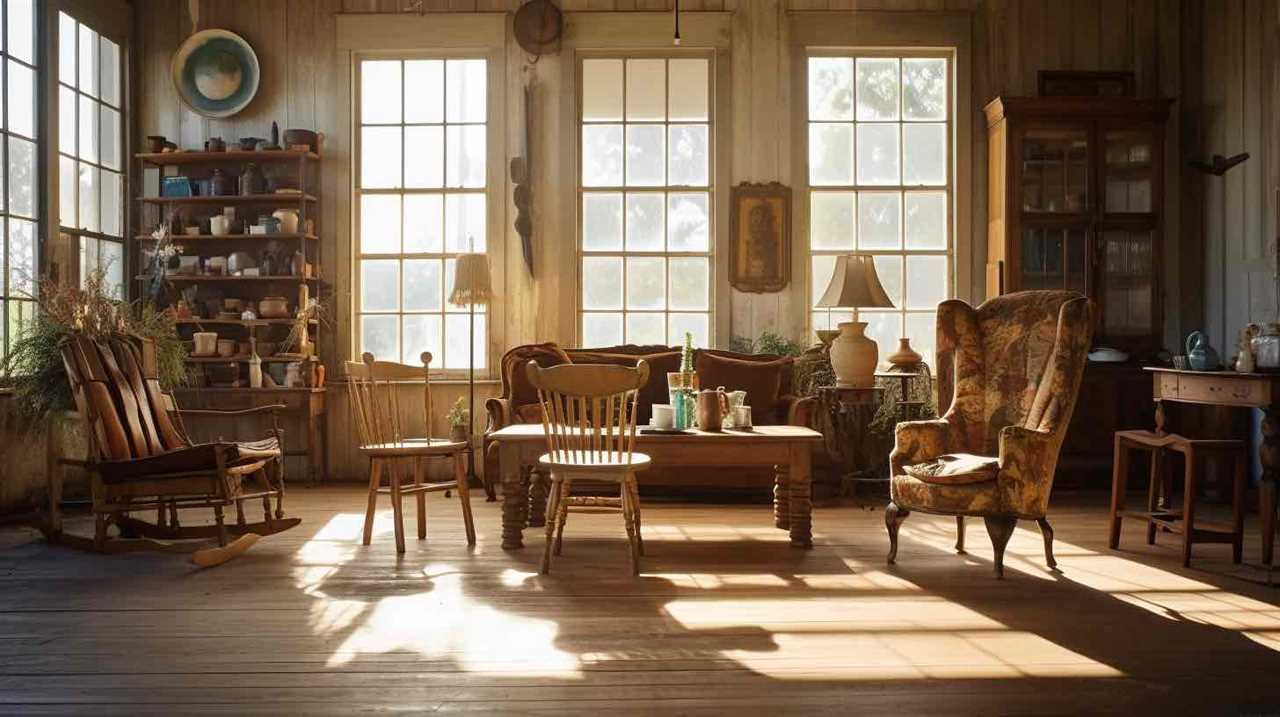
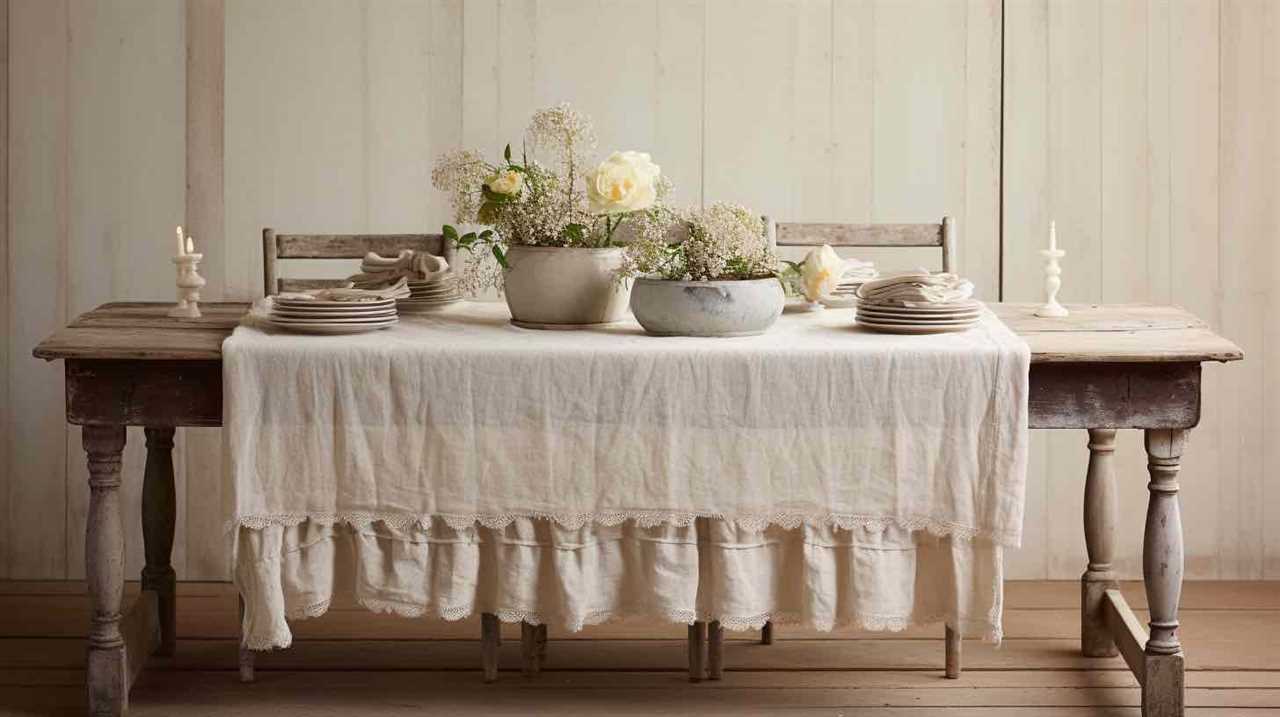
Rustic farmhouse coffee tables combine natural-looking materials, uncomplicated shapes, and finishes that show a little texture or age. You might see visible grain, knots, saw marks, weathered paint, or a plank top on a substantial base. These details do more than create a welcoming, lived-in look: they make the table’s surface and construction part of the room’s visual texture. A well-used kitchen table brought into the living room is a useful comparison—sturdy and inviting, with marks and grain that feel at home alongside everyday life.
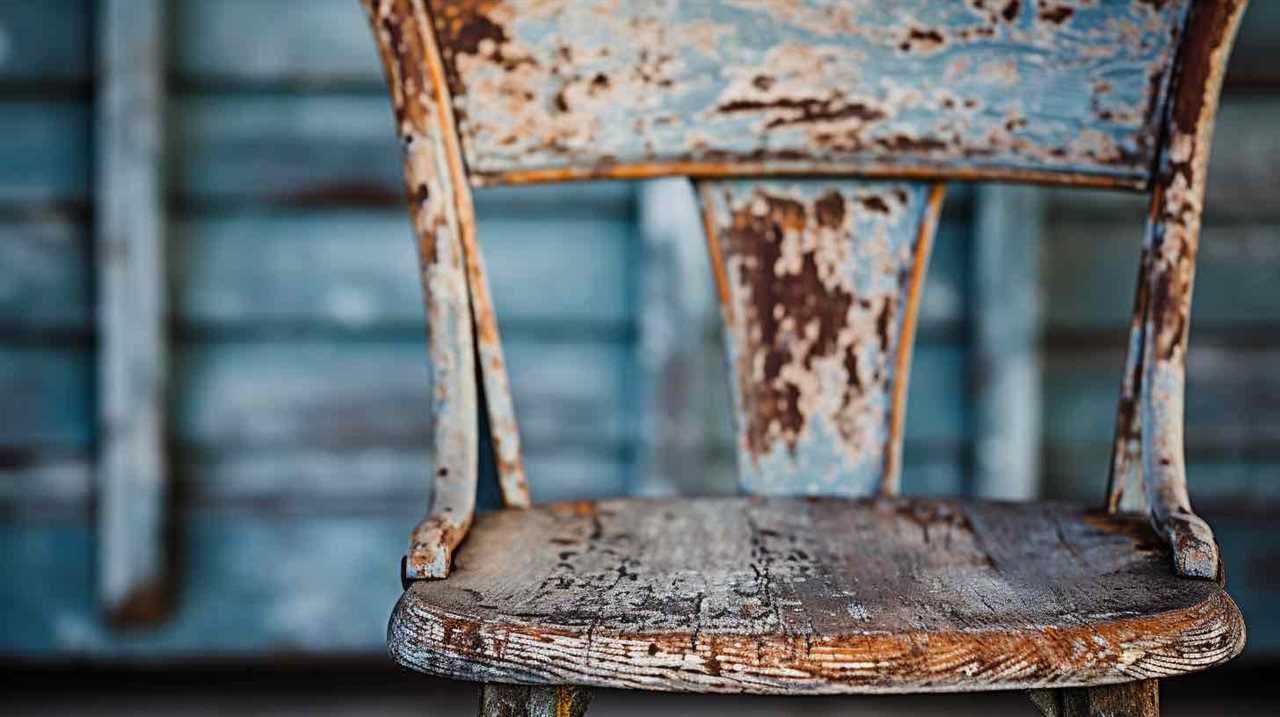
The character can come from genuine wear or a finish applied during manufacturing, and that difference can matter if you expect the table to age further. Pine often shows knots and pronounced grain; oak has a more defined pattern, while acacia can bring varied color from board to board. Those natural differences make each top distinctive, but they can also make matching the table to existing furniture less predictable. If a listing calls the wood reclaimed, ask where it came from and how the seller verified its history. The word alone doesn’t establish provenance, and a distressed finish can create an aged appearance without using reclaimed timber.
Common features include trestle bases, chunky legs, lower shelves, drawers, and mixed materials. A broad base can make a table feel grounded, though it may add visual weight in a small room; open legs reveal more floor and can feel less imposing. Iron hardware or black metal legs can give the wood an industrial edge, while a pale finish and woven baskets keep the mood softer. A small rectangular table with one shelf, for example, can hold remotes below and keep the surface free for coffee mugs. The tradeoff is that an open shelf leaves stored items visible, so it works best when the things you keep there are tidy or contained in baskets.
How to choose a size that leaves room to move
Rustic farmhouse coffee tables should leave enough space for you to reach a drink and walk around without knocking your shins. As a starting point, look for a table about two-thirds the length of your sofa, then leave roughly 14–18 inches between its edge and the seating. The length guideline helps the table feel proportionate and gives several seats access to the surface; the gap helps people sit, stand, and reach without having to twist around the table. Neither measurement accounts for every room, so check nearby walkways, too. Room measurements matter more than a rule of thumb, especially if the table sits between seating and a doorway.
- Measure the sofa. Note its full length and seat height, including any chaise or unusually wide arms. A chaise changes the table’s relationship to the seating area, while high or low seats affect how comfortable the surface is to reach.
- Mark the footprint. Use painter’s tape or newspaper to outline the table on the floor. Walk around it as you would on a busy evening. This shows whether the table interrupts your usual routes before its weight and delivery make a change difficult.
- Check the reach. Sit on the sofa and see whether you can comfortably set down a mug or pick up a book. A table can fit neatly on paper but still feel inconvenient if you have to lean too far or stretch around a corner.
- Confirm the final dimensions. Read the product measurements, assembly details, and shipping weight before ordering. The listed top size may not communicate how far a base or legs extend, and the assembled piece may be harder to maneuver than its box.
For a nine-foot sofa, a table around six feet long may be a sensible first comparison, not a fixed prescription. If the room is narrow, tape out a smaller option too. A shorter table may leave more room to pass but provide less surface for serving or shared use; a larger one may be more useful while making the route feel tight. A table that looks modest on a product page can feel like a wooden island once it sits between the sofa and the front door.
Which table shape works best in your room?
Rustic farmhouse coffee tables come in rectangular, round, oval, and nesting designs, and each shape changes how you move through a room. A rectangle often suits a long sofa because it offers a broad, continuous surface alongside the seats; that same length can make it awkward in a narrow passage. A round or oval top can soften bulky seating and reduce hard corners, though the curved edge changes how much usable surface you get. Choose by measuring the available floor area and imagining your usual route past the table, including the turns you make carrying a drink or walking around someone seated.
| Shape | Often works well with | Room to watch |
|---|---|---|
| Rectangular | Long sofas and clear, straight layouts | Can crowd a narrow walkway |
| Round | Tight spaces or seating arranged around a center | May offer less straight surface for serving |
| Oval | Sectionals and rooms with busy foot traffic | Check its full length beside the sofa |
| Nesting | Flexible layouts and occasional guests | Smaller tables still need a home when tucked away |
Imagine a small living room where the path from the sofa to a balcony door crosses in front of the table. An oval design may make that turn feel smoother than a chunky rectangle because its rounded ends have no corners to catch the passing route. A round table can give children a softer edge to bump into, but you may need a tray to gather items on its curved surface. Nesting tables offer flexibility when guests need extra places to set things down, though the smaller tables take up storage space when tucked away. Tape both outlines on the floor before you decide; the path through the room can matter more than the shape that looks best in a product photo.
How wood, finish, and storage change everyday use
The wood and finish determine how your table looks, how it handles daily wear, and what repairs might be possible. Solid wood can often be repaired or refinished, though moisture and temperature changes may affect it; veneer and engineered wood can cost less, but damage may be harder to repair. Quality varies within both groups, so check the maker’s material description and care instructions. A solid wood top can be a practical choice if you expect years of use and value the option to sand out scratches later, but it may need more careful protection from spills and heat. A veneer top can give you a consistent grain pattern at a lower price; its thin surface layer, however, limits how much sanding or repair it can tolerate.
Finish affects both the table’s appearance and how forgiving it is in daily use. A dark, heavily distressed top can anchor a pale room and disguise small marks, though dust and crumbs may show against it. Natural oak or warm neutrals can brighten the room but may reveal stains if left unattended. A cleaner silhouette with black metal can pair easily with modern seating. When a listing describes a wood surface alongside a metal frame or woven basket, check which parts use which materials; the overall style doesn’t tell you what the tabletop is made from.
Storage changes how you use the surface. A lower shelf keeps books and baskets within reach, but items left there remain visible and can make a small room feel busy. A drawer conceals clutter, though it adds weight and needs clearance to open. A lift top can bring a laptop or snack closer to the sofa, but check the opening height and mechanism: it may not suit a room where someone sits close to the table or where children could reach moving parts. If your family keeps board games in the living room, a shelf or drawer may be more useful than a larger tabletop that simply collects boxes.
How to make a rustic table feel at home in a modern room
A rustic table can work in a modern home when its wood adds warmth and its shape leaves room for cleaner lines around it. Pair an expressive plank top with a plain sofa, neutral cushions, or restrained metal accents. The contrast is like a wool blanket over a crisp white shirt: relaxed, but still pulled together. This balance matters because a heavily textured table already draws the eye; quieter upholstery lets the wood feel intentional instead of making every surface compete for attention.
Scale matters here. A heavily textured table can dominate a compact room, especially beside dark seating and patterned rugs. Try a lighter oak tone, slimmer legs, or an oval top if you want the grain to show without making the center of the room feel crowded. In a larger space, a substantial trestle base can hold its own against a long sectional. Think about visual weight as well as dimensions: a thick dark base may feel imposing even when the tabletop technically fits, while open legs let more of the floor show and can make the arrangement feel lighter.
For a quick styling test, set a small tray on the table, add two books and a low plant, then leave space for the things you use. The tray gives small items a defined place and can be moved when you need the surface, while a low plant keeps sightlines across the room open. If the surface disappears under decor, take something away. Rustic farmhouse style can describe the look of an inviting room too, but the table’s size and finish should guide the styling—not a pile of decorations that leaves nowhere for your mug.
What to check before you order—and how to protect the finish
Before ordering, compare the listed dimensions with your taped floor outline and make sure you understand the materials, assembly needs, and return terms. Product photos can make a finish look paler or darker than it is, and a large rustic table may arrive in several heavy pieces. The dimensions and delivery details matter together: a table that fits the room may still be difficult to carry through a tight stairwell or assemble in place. A quick checklist can save you from an awkward surprise on delivery day.
- Confirm the table’s length, width, and height, not just its general size label.
- Check whether the listing names solid wood, veneer, engineered wood, metal, or a combination.
- Ask what the seller means by reclaimed wood and how it was sourced or treated.
- Review assembly needs, shipping weight, delivery access, and return terms.
- Follow the manufacturer’s care guidance; use coasters and wipe spills promptly.
Once the table is in place, avoid harsh cleaners unless the maker says the finish can handle them. If a cup leaves a wet ring after a long movie night, blot it promptly rather than scrubbing at the wood. Prompt cleanup limits how long moisture sits against the finish, while coasters reduce repeated contact from hot or wet cups. These small habits help keep a richly grained surface looking lived in, not neglected.
Frequently Asked Questions
What makes a coffee table farmhouse or rustic?
Farmhouse and rustic styles often pair natural-looking wood with simple, sturdy shapes and finishes that show grain, knots, saw marks, or weathering. The look can lean traditional, modern, industrial, or coastal depending on the finish and materials.
How long should a coffee table be compared with a sofa?
A useful starting point is a table about two-thirds the sofa’s length. Measure your room as well, and leave around 14–18 inches between the table and nearby seating when the layout allows.
Should a coffee table be higher or lower than the sofa seat?
A coffee table usually sits near the sofa seat height or a little lower. Sit on your sofa and test whether you can reach the surface comfortably before choosing.
Is solid wood better than engineered wood for a coffee table?
Solid wood can often be repaired or refinished, while engineered wood may cost less and offer a more consistent finish. The right choice depends on your budget, expected wear, and the quality of the particular table.
How can I tell whether a table uses reclaimed wood?
Ask the seller where the wood came from, how it was prepared or treated, and what they mean by reclaimed. A product label by itself doesn’t verify the wood’s origin.
Conclusion
Measure your room first, then choose the wood, shape, and storage that suit how you live. A good farmhouse coffee table should feel like it belongs there—and leave you with enough space to set down your mug.
Halloween Picks
halloween
As an affiliate, we earn on qualifying purchases.