

The Sears Catalog transformed rural mail into a essential link to the modern world by turning your mailbox into a gateway for goods, ideas, and new opportunities. It allowed you to browse a wide range of products, from clothing to appliances, without leaving home. This revolution made shopping more convenient, saved trips to distant towns, and connected your community to broader cultural trends. If you keep exploring, you’ll discover how it shaped rural life permanently.
Key Takeaways
- The Sears Catalog transformed rural mailboxes into access points for a wide range of goods and ideas.
- It expanded shopping options beyond local stores, enabling rural residents to purchase urban goods via mail order.
- The catalog influenced rural culture by shaping aspirations and connecting communities to broader economic trends.
- Mail order reduced travel needs, saving time and fostering greater independence in rural shopping.
- It promoted modernization, literacy, and engagement with new technologies and products in rural communities.
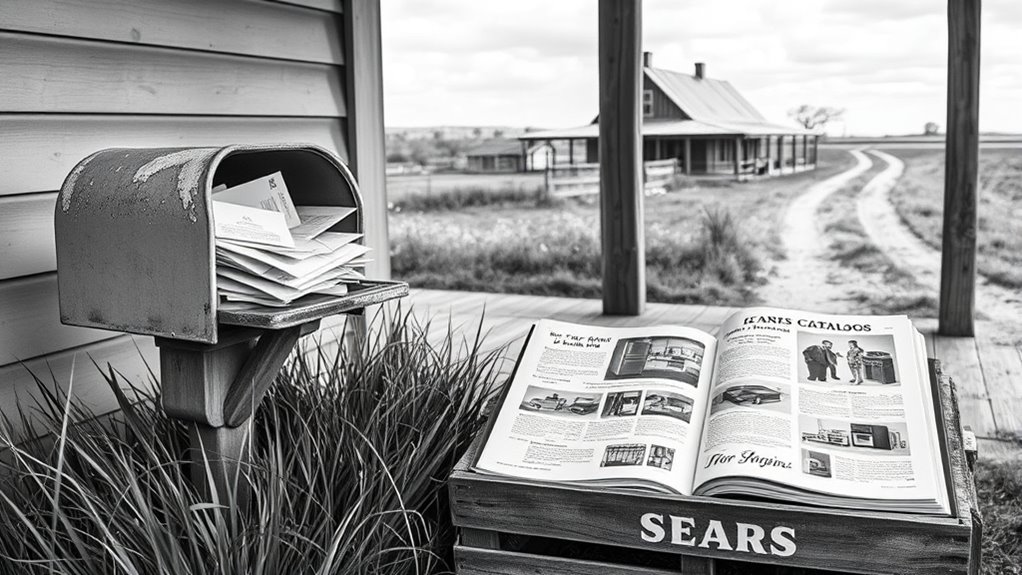
When the Sears Catalog arrived in rural mailboxes, it transformed the way people in isolated communities accessed goods and ideas. Before its widespread use, residents in remote areas had limited options for shopping; they relied heavily on local stores that often carried a narrow selection or had to wait months for supplies. The Sears Catalog changed all that by offering a vast array of products—clothing, tools, appliances, even furniture—delivered directly to their doorsteps through mail order. This innovation made it possible for rural households to access a world of goods that had previously been out of reach, bridging the gap between urban availability and country living.
With mail order, your ability to shop expanded exponentially. Instead of making long, uncertain trips to distant towns, you could browse through pages filled with detailed descriptions and images, then place an order with just a few clicks or a written note. The Sears Catalog became more than just a shopping guide; it was a crucial link to modernity, connecting you to new technologies, styles, and ideas. This level of rural access meant that even those living miles away from the nearest city could buy the same products as city dwellers, fostering a sense of inclusion and opportunity. The convenience of ordering by mail reduced the need for travel and saved time, allowing you to focus on other aspects of daily life while your desired items arrived at your doorstep.
The catalog’s influence extended beyond commerce; it helped shape community identities and aspirations. As you received new items, you shared your experiences and exchanged ideas about products and innovations, creating a sense of connection with others who also used mail order services. The Sears Catalog empowered rural residents to participate in broader economic and cultural trends, making them active consumers rather than passive recipients of local supplies. This revolution in rural access also stimulated local economies indirectly, as communities adapted to the influx of new goods and ideas. Farms, small towns, and homesteads became more self-sufficient and better connected to national markets.
In essence, the Sears Catalog was more than a list of products; it was a catalyst for change. It democratized access to goods, giving rural Americans the same purchasing power as their urban counterparts. Mail order became a lifeline that opened doors to opportunities, education, and modernization, transforming rural life forever. Additionally, the introduction of the Sears Catalog helped to expand rural literacy by encouraging people to read detailed product descriptions and instructions, fostering greater engagement with written material. As you look back, it’s clear that this innovation redefined what it meant to live in a remote community, making the world a little smaller and a lot more accessible through the power of mail order and rural access.

Defender PHOENIXM2 Non-WiFi Plug-in Power Security Cameras- for Home & Business Surveillance Indoor & Outdoor Bullet Cameras with 7 Inch LCD Display Monitor (2 Cameras)
OUTDOOR SECURITY CAMERA: The PhoenixM2 wireless outdoor security camera combines ease of use with a professional-quality video to...
As an affiliate, we earn on qualifying purchases.
Frequently Asked Questions
How Did Rural Communities Initially Access the Sears Catalog?
You accessed the Sears Catalog through mail delivery, which was the primary method of catalog distribution for rural communities. Sears sent the catalogs directly to your mailbox, allowing you to browse a wide selection of products without visiting a store. This convenient mail delivery system revolutionized shopping for rural residents, giving you access to goods and ideas from afar, just by opening your mailbox and flipping through the pages.
What Impact Did the Catalog Have on Local Rural Economies?
You’ll find that the Sears catalog boosted rural economies by enabling retail expansion, with over 10 million copies sold annually. It transformed consumer behavior, making urban-style shopping accessible to isolated communities. As a result, local stores thrived with increased demand, and residents gained access to diverse products. The catalog’s reach empowered rural Americans, fostering economic growth and changing how they purchased goods, all from the comfort of their homes.
Were There Any Challenges in Delivering Mail and Catalogs to Rural Areas?
You face transportation obstacles like rough roads and long distances that make delivering mail and catalogs challenging. Weather conditions, such as snow and rain, can further delay shipments. Mail security is also a concern, as valuables and sensitive items need protection from theft and damage during transit. These obstacles require extra effort and resources, but overcoming them guarantees rural residents stay connected and have access to essential goods and information.
How Did the Sears Catalog Influence Rural Lifestyle Changes?
Imagine a bridge connecting your farm to distant towns—that’s what the Sears Catalog became for you. It revolutionized rural shopping, making it easier to access a wide variety of goods without leaving home. This change strengthened community connectivity, allowing neighbors to share ideas and resources. The catalog transformed your lifestyle, expanding your world and bringing the convenience of city life right to your doorstep.
Did Other Companies Adopt Similar Rural Mail and Catalog Models?
Yes, other companies adopted similar mail order and rural expansion models. They recognized the success of Sears and expanded their reach through catalogs and direct mail, making products accessible to rural communities. This approach allowed you to shop conveniently from home, breaking down geographic barriers. By adopting these strategies, they increased their customer base and supported rural lifestyle changes, giving you more choices and access to goods previously difficult to obtain locally.
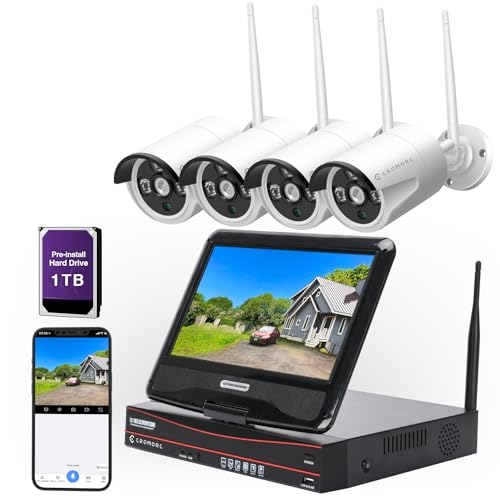
Cromorc 10CH Expandable Wireless Security Camera System with 10.1" Monitor 4pcs 5MP Indoor Outdoor Camera 1-Way Audio Night Vision Motion Detection Home Business CCTV Surveillance 1TB HDD
EASY SETUP, COMPLETE SET WITH MONITOR AND HDD: Our wireless securty camera system integrated with 10CH 5MP NVR,...
As an affiliate, we earn on qualifying purchases.
Conclusion
As you realize how rural mail transformed lives and brought the Sears catalog to your doorstep, you start to wonder—what’s next? Will technology keep bridging gaps or create new divides? The revolution isn’t over yet. The path ahead remains uncertain, but one thing’s clear: the way you connect, shop, and dream has forever changed. And as history unfolds, you can’t help but wonder—what will come next in this ongoing story?

ANNKE 3K Lite Wired Security Camera System Outdoor with AI Human/Vehicle Detection, 8CH H.265+ DVR and 8 x 1920TVL 2MP IP67 Home CCTV Cameras with Smart Dual Light, Color Night Vision, 1TB Hard Drive
AI Motion Detection 2.0 – Driving AI to the next level, human&vehicle detection and flexible detection area are...
As an affiliate, we earn on qualifying purchases.

4CH 1080P Wired Security Camera System, AIWIXEN CCTV DVR with 512GB Hard Drive, 4 x Home Surveillance IP68 Waterproof Security Cameras with Human Vehicle Detection, Remote Access, 24-7 Recording
Pre-installed 512GB HDD: 24/7 recording provides protection for the places you value. Each camera can be configured with...
As an affiliate, we earn on qualifying purchases.