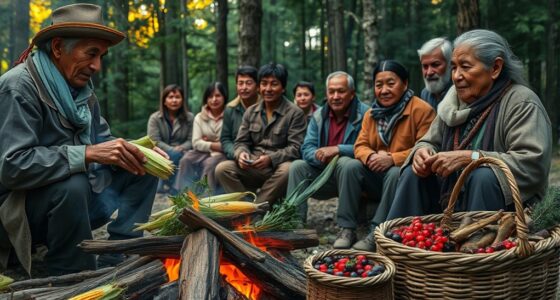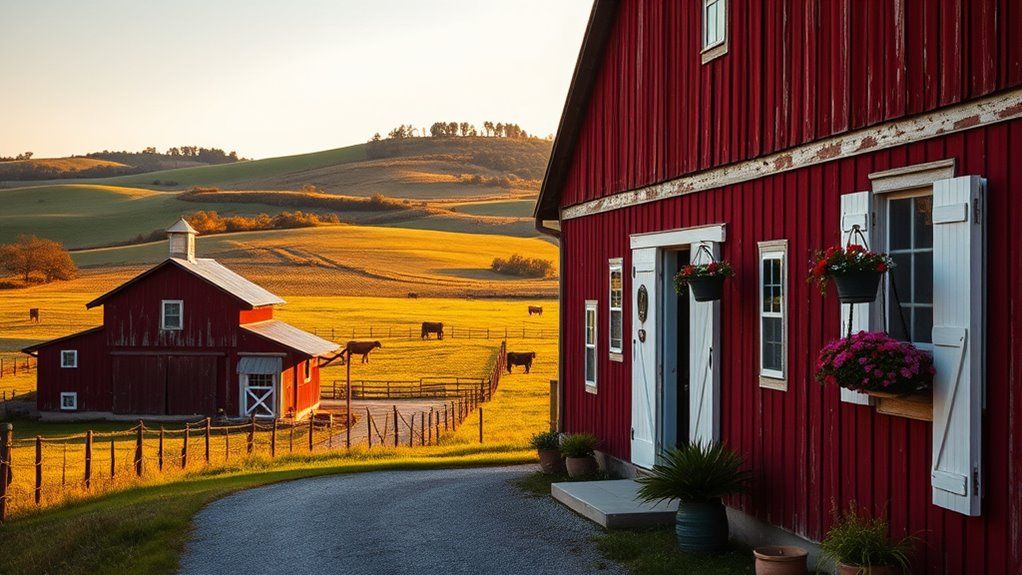

The rise of agritourism transforms farms into inviting spots where you can experience rural life firsthand. Farms now function as lively destinations offering farm stays, activities like milking cows, collecting eggs, and exploring scenic countryside. These experiences help you connect with the land, learn about sustainable farming, and escape city life. From cozy B&Bs in historic barns to fun outdoor adventures, there’s more to discover about how farms are becoming vibrant hospitality hubs.
Key Takeaways
- Farms are transforming into welcoming destinations, blending agriculture with tourism through activities like farm stays and experiential learning.
- Barns and historic farmhouses are converted into charming accommodations, offering peaceful countryside retreats.
- Agritourism promotes active participation, allowing visitors to engage in farm routines such as milking cows and planting crops.
- The trend increases awareness of sustainable farming practices and food origins while supporting local farmers.
- Growing market demand is driving the evolution from traditional farms to diverse agritourism experiences like B&Bs and farm tourism hubs.
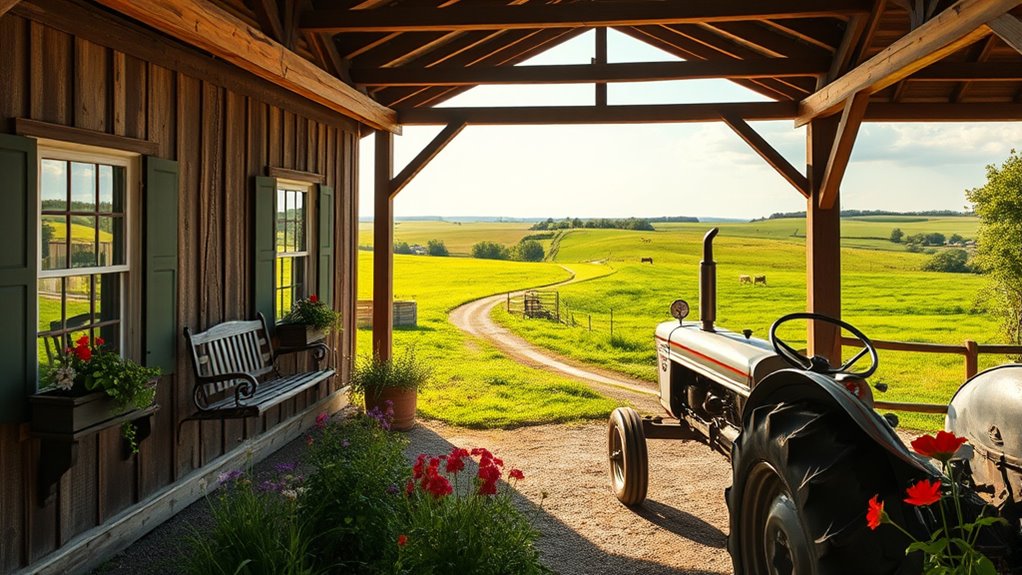
Agritourism has transformed traditional farms into inviting destinations where visitors can experience rural life firsthand. Gone are the days when farms were solely places for planting, harvesting, and livestock. Today, they’re evolving into vibrant hubs that offer immersive farm stay experiences, blending education, relaxation, and adventure. When you choose a farm stay, you’re not just booking a place to sleep—you’re stepping into a living, breathing part of the countryside. From waking up to the sounds of roosters to helping with chores or collecting eggs, you get a genuine rural experience that deeply connects you to the land. These stays are designed to give you a taste of farm life, making your visit both memorable and meaningful.
Experience farm life firsthand with immersive stays that connect you to the land and its rhythms.
As you settle into a farm stay, you’re encouraged to participate actively in daily farm routines. This involvement offers more than just sightseeing; it immerses you in the rhythm of rural living. You might find yourself milking cows, planting vegetables, or learning about sustainable farming practices. Such hands-on activities allow you to understand the hard work and dedication that go into producing food, fostering a newfound respect for farmers’ efforts. This type of rural experience can be eye-opening, especially if you’re used to the comforts of city life. It’s a chance to disconnect from screens and routines, replacing them with fresh air, open fields, and the simple pleasures of farm life.
Many farms now offer cozy accommodations, often converted barns or historic farmhouses, that provide the perfect setting for a peaceful retreat. Staying on a working farm means waking up to the sounds of nature and enjoying home-cooked meals made from local ingredients. It’s a chance to unwind and recharge while soaking in the scenic beauty of the countryside. These farm stays often include activities like hayrides, fishing, or nature walks, further enriching your rural experience. Whether you’re traveling solo, as a family, or with friends, a farm stay creates opportunities for bonding and shared adventure in a genuine rural setting.
Ultimately, agritourism’s growth means you don’t have to travel far to find an authentic farm experience. It’s all about connecting with the land, understanding where your food comes from, and appreciating rural traditions. When you choose a farm stay, you’re not only enjoying a unique vacation but also supporting local farmers and sustainable agriculture. Market trends continue to evolve, making these experiences more accessible and appealing to a wider audience. It’s a meaningful way to break away from everyday life, embrace nature’s beauty, and gain a new perspective on rural living. This trend continues to flourish, inviting more people to discover the joys and lessons of farm life firsthand.

Farm Stay & Glamping Businesses in the UK: A Practical Guide to Planning, Permissions, Set-Up and Running a Profitable Rural Retreat
As an affiliate, we earn on qualifying purchases.
As an affiliate, we earn on qualifying purchases.
Frequently Asked Questions
How Do I Start an Agritourism Business Legally?
To start your agritourism business legally, first check local zoning regulations to make certain your property qualifies for such activities. Then, research permit requirements, which may include health, safety, and building permits. Contact your local government or planning office for specific rules. You might also need to obtain agricultural exemptions or licenses. Following these steps helps you comply with legal standards and establish a successful, compliant agritourism venture.
What Insurance Is Needed for Agritourism Ventures?
Think of insurance as a safety net, catching you when unexpected storms hit. You’ll need liability coverage to protect against guest injuries or property damage, and farm-specific policies to cover unique risks like equipment or livestock issues. These insurances guarantee your agritourism venture stays afloat, giving you peace of mind. Always consult an insurance professional to tailor coverage that fits your farm’s specific needs and risks.
How Can Farmers Effectively Market Agritourism Experiences?
You can effectively market your agritourism experiences by leveraging social media strategies like posting engaging photos and stories to attract visitors. Collaborate with local partnerships, such as nearby farms or community events, to expand your reach. Encourage satisfied guests to share their experiences online and offer special promotions for repeat visitors. This approach boosts visibility, builds trust, and helps you connect with your target audience naturally and authentically.
What Are Common Challenges Faced by Agritourism Operators?
Like riding a rollercoaster, agritourism operators face ups and downs, especially with seasonal fluctuations. Managing visitor safety is another hurdle, ensuring everyone stays secure amid farm activities. You might struggle with unpredictable weather, fluctuating income, or maintaining guest experiences. Balancing farm operations with hospitality demands flexibility and vigilance. By planning for seasonal changes and prioritizing safety, you can turn these challenges into opportunities for growth and memorable visitor experiences.
How Do I Balance Farm Operations With Tourism Activities?
You need to prioritize farm visitor engagement while balancing work schedules by creating a clear plan that separates farm chores from tourism activities. Schedule specific times for visitor interactions, ensuring they don’t interfere with essential farm tasks. Communicate your availability clearly, and enlist help if needed. This way, you can provide a memorable experience for visitors without compromising your farm’s productivity and daily operations.

Guest Book: Rustic Charm Visitor Comment Book – The Perfect Complement for Your Rental, B&B, Cottage, or Country Getaway
As an affiliate, we earn on qualifying purchases.
As an affiliate, we earn on qualifying purchases.
Conclusion
Just like the pioneers who transformed open fields into welcoming inns, you have the power to turn your farm into a thriving getaway. By embracing agritourism, you’re not just preserving tradition—you’re creating a legacy, a modern-day harvest of memories. So, seize this opportunity, and let your barn be a storybook setting where adventure and relaxation grow side by side. The future of farming is yours to cultivate, one guest at a time.
agritourism experience kits
As an affiliate, we earn on qualifying purchases.
As an affiliate, we earn on qualifying purchases.

Bright Starts John Deere Pop 'N Jump Portable Baby Jumper, Foldable Indoor/Outdoor Baby Jumper with Sensory Activities, Ages 6–12 Months
Jump into farm fresh fun with the innovative Bright Starts John Deere Pop ‘N Jump, featuring a convenient…
As an affiliate, we earn on qualifying purchases.
As an affiliate, we earn on qualifying purchases.