When choosing reclaimed barnwood, look for authentic boards with a rich patina and natural color variations like weathered greys and warm browns. Check for imperfections such as knots, nail holes, and signs of weathering that showcase genuine age and rustic charm. confirm the wood is stable, free of large cracks or rot, and matches your project’s size and thickness needs. To discover more about securing high-quality reclaimed barnwood, keep exploring.
Key Takeaways
- Check for natural color variations, weathered textures, and imperfections like knots and nail holes for authenticity.
- Ensure the boards are solid, stable, and free from large cracks or rot for structural integrity.
- Choose thicker, flat boards that match project size requirements and resist warping over time.
- Verify the origin and history of the wood through reputable suppliers to ensure genuine vintage barnwood.
- Prioritize high-quality, sustainably sourced reclaimed wood for durability and authentic rustic appeal.
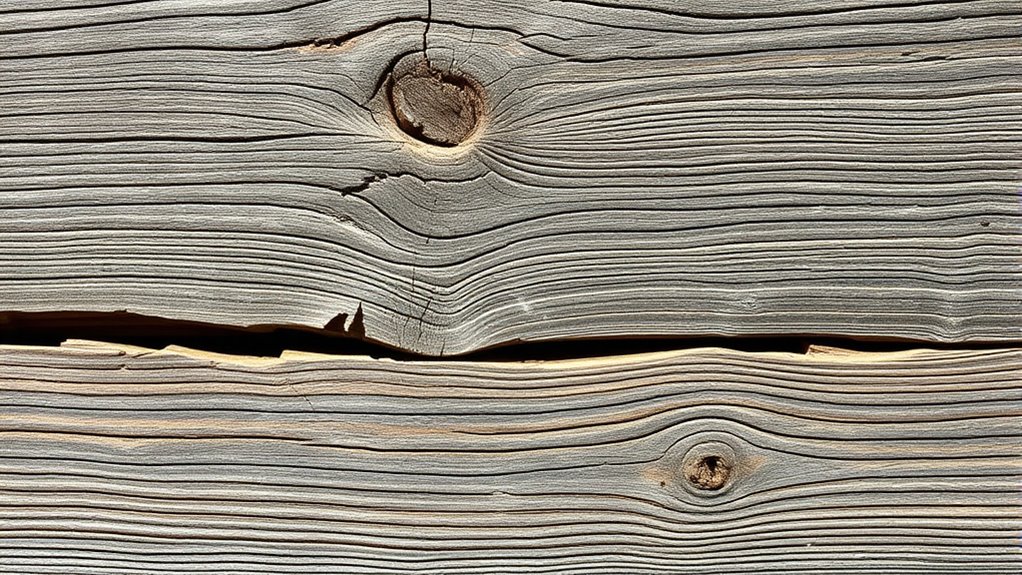
Reclaimed barnwood offers a sustainable and stylish choice for adding rustic charm to your home or project. When selecting boards, it’s essential to focus on authenticity and quality to truly capture that vintage charm and rustic appeal. Your goal is to find wood that not only looks great but also stands the test of time, so understanding what to look for is key.
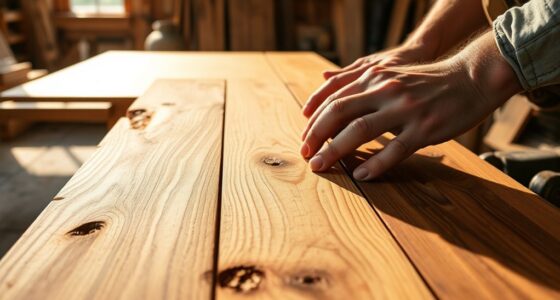
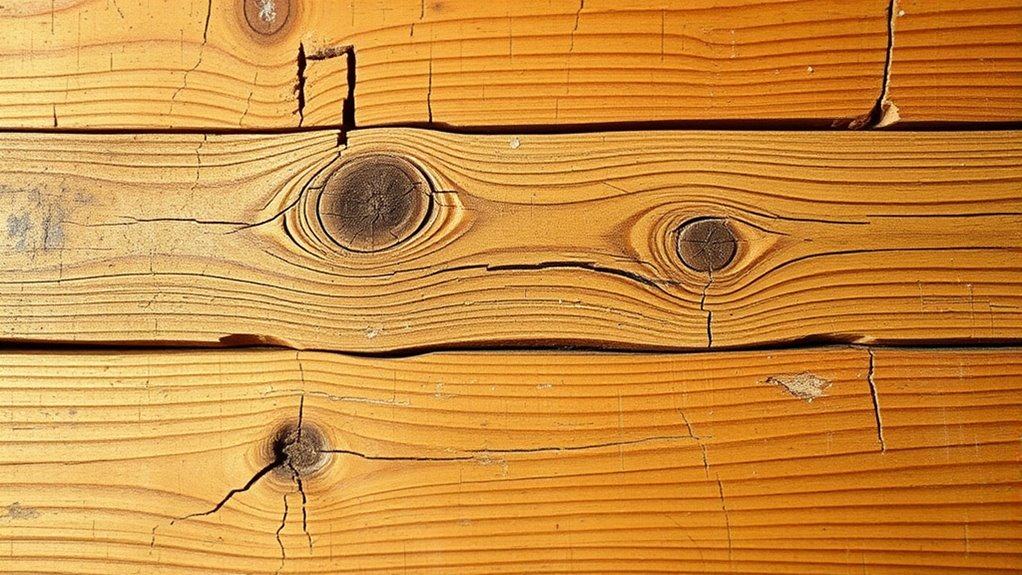
Start by inspecting the wood’s appearance. Authentic reclaimed barnwood should display a rich patina, with natural variations in color and texture that showcase its history. Look for boards with a mix of weathered greys, warm browns, or even hints of paint, as these signs indicate genuine age and character. Avoid wood that looks overly uniform or freshly milled, as this may lack the vintage charm you’re seeking. The rustic appeal of reclaimed barnwood lies in its imperfections—knots, nail holes, and weathered surfaces contribute to its authentic look.
Authentic reclaimed barnwood features a rich patina, natural color variations, knots, and weathered textures that showcase its vintage character.
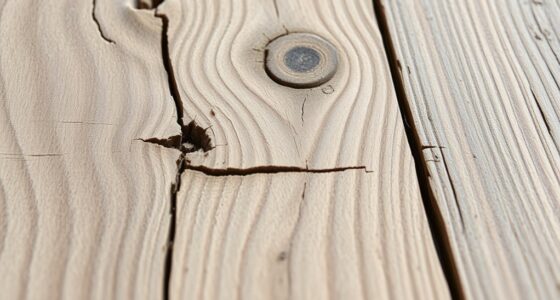
Next, consider the condition of the wood. Check for cracks, splits, or signs of rot that could compromise its structural integrity. While some surface imperfections add to the rustic appeal, large cracks or soft spots might weaken the board and make it unsuitable for certain projects. You want boards that are solid and stable enough to serve your purpose, whether that’s for furniture, wall paneling, or decor. It’s also wise to verify whether the wood has been treated or sealed; untreated wood maintains a more natural, vintage feel, but may require additional finishing depending on your project.
Another important aspect is the size and thickness of the boards. Reclaimed barnwood comes in various dimensions, so match the size to your needs. Thicker boards tend to be more durable and authentic, especially when aiming for a rustic, vintage look. Keep in mind that some reclaimed wood may shrink or warp over time, especially if it wasn’t properly dried or stored, so select boards that are flat and stable. Additionally, understanding the origin and history of the wood can enhance its value and authenticity in your project.
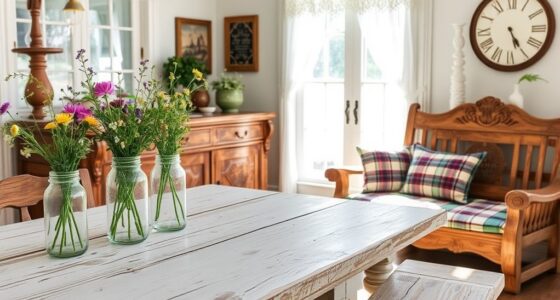
Finally, source your reclaimed barnwood from reputable suppliers who can provide documentation of its origin and history. This not only guarantees you’re getting genuine vintage barnwood but also supports sustainable practices. Opting for quality reclaimed wood means you’ll enjoy its rustic appeal longer and reduce environmental impact, all while adding a unique, vintage charm to your space. Choosing the right boards is about balancing aesthetics with durability, and paying attention to these details helps you achieve that perfect rustic look.
Frequently Asked Questions
How Can I Identify Genuine Reclaimed Barnwood?
You can identify genuine reclaimed barnwood by examining its wood grain and weathering patterns. Authentic barnwood typically has a distinct, varied grain with visible knots and imperfections from years of exposure. Look for signs of natural weathering, such as faded color, surface cracks, and a rough texture. Avoid new or overly uniform boards, as they lack the unique character and aging marks that indicate genuine reclaimed barnwood.
What Are the Best Treatments for Reclaimed Barnwood?
Think of your reclaimed barnwood as a treasure needing gentle armor. You should apply eco-friendly finishes that act like a whisper of protection, preserving its rustic charm while warding off pests and decay. Wood preservation techniques, such as natural oils or beeswax, nourish the wood without harmful chemicals. These treatments keep your barnwood resilient and eco-conscious, ensuring it continues to tell its story for years to come.
How Does Reclaimed Barnwood Compare to New Wood?
You’ll find that reclaimed barnwood offers a unique aesthetic appeal, with rich character and history that new wood often can’t match. It’s also more environmentally beneficial, as reusing wood reduces waste and preserves resources. While new wood may be more uniform and ready-to-use, reclaimed barnwood provides a distinct, aged look that adds warmth and authenticity to your projects, making it a popular choice for those seeking both beauty and sustainability.
What Are Common Mistakes When Selecting Reclaimed Barnwood?
You might fall into the trap of choosing barnwood based solely on appearance, ignoring structural integrity. Don’t overlook checking for warping, rot, or pests, which can sabotage your DIY projects and compromise their aesthetic appeal. Rushing the selection process can lead to boards that don’t hold up over time. Always inspect each piece carefully, balancing beauty with durability, so your project stands the test of time and looks stunning.
How Long Does Reclaimed Barnwood Typically Last?
Reclaimed barnwood typically lasts for decades, often up to 50 years or more, thanks to its durable wood quality. Your wood’s longevity depends on proper maintenance and environmental impact—protect it from excessive moisture and pests. The durability of reclaimed barnwood makes it a sustainable choice, reducing environmental impact while providing a long-lasting, beautiful material for your projects. Proper care guarantees your reclaimed wood remains sturdy and beautiful for years to come.
Conclusion
Choosing reclaimed barnwood is like selecting a piece of history for your home. Trust your instincts, look for quality, and don’t rush the process. Remember, each board has its own story to tell, adding character and charm to your space. When you pick the right boards, you’re not just restoring wood — you’re weaving a timeless tapestry that will stand the test of time. So, embrace the journey and let your space breathe with rustic soul.