To manage potato cellars and seed stock effectively, guarantee your storage space maintains temperatures between 38-40°F with humidity around 85-90%. Handle tubers carefully, avoiding bruises, and cure them in darkness for a few days to heal injuries. Regularly inspect your stored potatoes, removing any that show signs of spoilage or disease. Using ventilated containers and proper stacking prevents mold and rot. Keep these practices in mind, and you’ll learn even more about maintaining healthy seed stock.
Key Takeaways
- Potato cellars provide optimal storage conditions (38-40°F, 85-90% humidity) to preserve seed stock and prevent spoilage.
- Proper handling, curing, and sorting of tubers enhance seed health and reduce disease risk during storage.
- Ventilated containers and avoiding stacking pressure help maintain quality and prevent rot in seed stock.
- Regular inspection of potato cellars ensures early detection and removal of diseased or sprouting tubers.
- Maintaining proper temperature, humidity, and airflow in cellars supports disease resistance and seed viability.
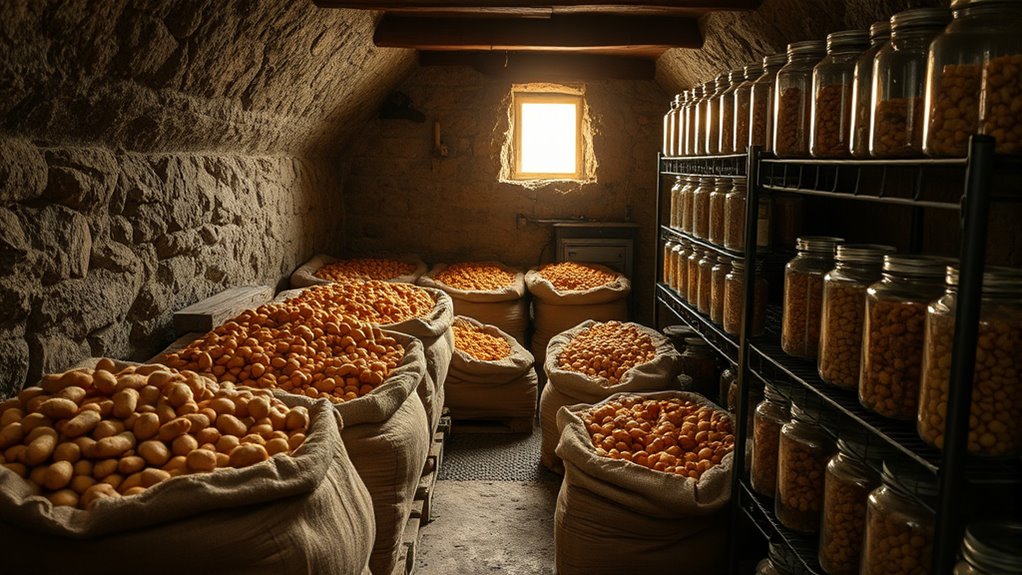
Potato cellars serve as indispensable storage spaces where farmers keep their seed stock and harvested tubers safe from spoilage and pests. The success of your potato farming depends heavily on how well you manage these storage areas, making understanding effective storage techniques vital. One of the key aspects to consider is maintaining conditions that support disease resistance. Properly stored seed potatoes are less likely to develop diseases like late blight or soft rot, which can wipe out entire crops if not controlled. Keeping your seed stock healthy ensures that your next planting cycle starts strong, reducing the need for chemical treatments and minimizing crop loss.
Proper storage of seed potatoes boosts disease resistance and ensures a healthy, productive crop.
When it comes to storage techniques, temperature and humidity control are essential. You want your potato cellars to stay cool—ideally between 38 and 40 degrees Fahrenheit—because higher temperatures accelerate sprouting and decay. Humidity levels should be kept around 85-90% to prevent potatoes from drying out or shriveling while avoiding excess moisture that can encourage mold and rot. Ventilation also plays a critical role; you need to guarantee good airflow to reduce humidity buildup and inhibit the growth of pathogens. Proper airflow helps maintain uniform conditions throughout the cellar, keeping your seed stock in prime condition.
Choosing the right storage techniques also involves handling your potatoes carefully. When you harvest, avoid bruising or damaging the tubers, as wounds serve as entry points for bacteria and fungi. Cure your potatoes in a warm, dark space for a few days before storing them in the cellar; this process helps heal minor injuries and forms a protective skin, enhancing disease resistance. Additionally, sorting your potatoes before storage is essential—discard any that show signs of disease, sprouting, or decay. Keeping only healthy tubers in your cellar prevents contamination from spreading to the rest of your seed stock.
You should also implement a regular inspection routine. Check your stored potatoes frequently for signs of spoilage, such as soft spots or foul odors, and remove any compromised tubers immediately. This proactive approach minimizes the risk of disease spreading throughout your seed stock. Using proper storage containers—ventilated crates or bins that allow air circulation—further supports effective storage techniques. Avoid stacking potatoes too high, as compressed tubers can develop pressure bruises and promote rot.

Beautiful Potato and Onion Storage Container Set – Perfectly Sized Spacious Canisters For Your Kitchen Counter Or Pantry – Quality Food Safe Metal Bins Keep Your Produce/Vegetables Fresh Longer
Meet Your Kitchen’s New BFF: Keep your kitchen effortlessly organized with ZICOTOs’ potato and onion storage bin set!…
As an affiliate, we earn on qualifying purchases.
As an affiliate, we earn on qualifying purchases.
Frequently Asked Questions
How Do Potato Cellars Maintain Optimal Storage Conditions?
You maintain ideal storage conditions by regulating temperature and humidity carefully. Keep the cellar cool, ideally between 45-50°F, to prevent sprouting and decay. Control humidity levels around 85-90% to avoid drying out or rotting the potatoes. Use ventilation to manage air circulation, and monitor conditions regularly. Proper temperature regulation and humidity control ensure your potatoes stay fresh longer and maintain quality during storage.
What Are the Best Practices for Seed Stock Preservation?
To preserve seed stock effectively, you should focus on maintaining genetic diversity and guaranteeing seed certification. Store seeds in a cool, dry, and dark environment to prevent deterioration. Regularly test seed viability and rotate stock to avoid aging. Keep detailed records of seed origin and certification status. By following these best practices, you ensure your seed stock remains healthy, vigorous, and true to its genetic makeup for future planting needs.
How Long Can Seed Stock Remain Viable Without Planting?
Think of seed stock as a delicate musical instrument—you need to keep it in ideal condition. You can usually store seed stock for up to a year without planting while maintaining good seed viability. Proper storage duration depends on temperature, humidity, and seed type. Keep these factors in check, and your seed’s viability remains high, giving you a longer window to plant at the perfect time.
What Are Common Pests Affecting Potato Cellars?
You’ll often encounter pests like weevils, aphids, and mites in potato cellars. To prevent infestations, practice pest prevention by maintaining clean, dry storage spaces and inspecting potatoes regularly. Pest identification helps you catch issues early, so you can act quickly. Keep an eye out for tiny insects, holes, or mold, and treat infestations promptly to protect your stored potatoes and make sure they stay healthy.
How Does Climate Impact Seed Stock Quality?
Climate variation acts like an unpredictable artist, painting unpredictable strokes on seed stock quality. When temperatures fluctuate or moisture levels shift, they can weaken seed health and germination potential. You might see sprouting issues or disease vulnerability, which threaten crop success. By understanding how climate impacts seed quality, you can adapt storage and planting practices, ensuring your seed stock remains resilient against nature’s ever-changing palette.

ProCase 65 Slots Seed Storage Organizer Sorter Box, Sturdy Seed Bank Saving Kit Container for Garden Vegetable Plant Flower, Seed Keeper Set with Label Stickers Funnel 3 Size of Bottles 1 oz 3 oz 5 oz
3 Sizes of clear storage bottle (1 oz / 3 oz / 5oz) to organize seeds of different…
As an affiliate, we earn on qualifying purchases.
As an affiliate, we earn on qualifying purchases.
Conclusion
You protect your potato cellars, you preserve your seed stock. You nurture your roots, you secure your future. You honor tradition, you embrace innovation. By safeguarding what’s essential, you guarantee growth and resilience. In caring for your seed stock, you cultivate hope. In maintaining your potato cellars, you sustain tradition. Remember, what you preserve today shapes tomorrow’s harvest. Keep your focus steady, your efforts steady, and your future bountiful will follow.

Beautiful Potato and Onion Storage Container Set – Perfectly Sized Spacious Canisters For Your Kitchen Counter Or Pantry – Quality Food Safe Metal Bins Keep Your Produce/Vegetables Fresh Longer
Meet Your Kitchen’s New BFF: Keep your kitchen effortlessly organized with ZICOTOs’ potato and onion storage bin set!…
As an affiliate, we earn on qualifying purchases.
As an affiliate, we earn on qualifying purchases.
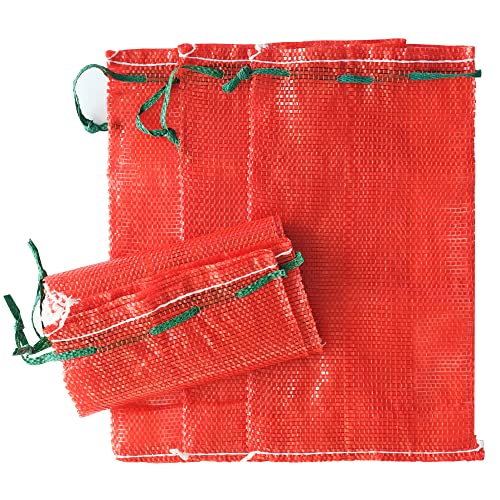
deebree 10 lb Mesh Onion Bags, 11"×18" Mesh Produce Bags Hanging Reusable Breathable Vegetable Storage Net Bag with Drawstring for Onions Potatoes Citrus Crawfish, Red (Pack of 10)
TIGHTLY WOVEN: The 11"×18" mesh bag is made of high quality polypropylene with reinforced seams for added strength….
As an affiliate, we earn on qualifying purchases.
As an affiliate, we earn on qualifying purchases.