
Pie safes and Hoosier cabinets are classic vintage kitchen pieces that help you store food efficiently and keep baked goods fresh. Pie safes are ventilated containers made from wood or metal, designed to protect pies from pests and environmental factors while allowing airflow. Hoosier cabinets serve as all-in-one storage units with shelves, drawers, and work surfaces, making kitchen tasks easier. To learn how these pieces added both utility and charm to historic homes, keep exploring the details.
Key Takeaways
- Pie safes are ventilated storage units designed to keep baked goods fresh, pest-free, and protected from environmental factors.
- Hoosier cabinets are multifunctional kitchen storage units combining shelves, drawers, and work surfaces to organize food and utensils efficiently.
- Pie safes use metal or wood with wire mesh or ventilated doors to promote airflow and preserve baked items longer.
- Hoosier cabinets reflect vintage craftsmanship, offering both practical storage and aesthetic appeal in historic kitchens.
- Both storage solutions exemplify pre-refrigeration food preservation methods, emphasizing ventilation, security, and space optimization.

Have you ever wondered how historic kitchens kept baked goods fresh and secure? Back then, homeowners relied on clever solutions like pie safes and Hoosier cabinets, which played a vital role in maintaining the quality of baked treats and pantry staples. These pieces of vintage kitchen design weren’t just functional; they also added charm and character to the heart of the home. Pie safes, in particular, were designed to keep pies and baked goods protected from pests and the environment, long before modern refrigerators. They often featured sturdy wire mesh or ventilated doors that allowed air circulation, helping baked items stay crisp and fresh longer. Hoosier cabinets, on the other hand, served as all-encompassing storage centers, combining shelves, drawers, and countertop space in a single piece. They were the ultimate example of historical storage solutions, offering a place to organize everything from flour and sugar to utensils and cookbooks, all within easy reach. Additionally, the high water content of some preserved foods benefited from the ventilation features of pie safes, which helped prevent spoilage. These vintage kitchen elements reflect a time when preservation was about more than just refrigeration. Pie safes, for example, utilized metal or wood construction, with locking mechanisms to keep pests out. Their design often included ventilation slots or mesh panels that promoted airflow, preventing mold or spoilage. This was especially important in a period when refrigeration technology was still new or unavailable in many homes. Hoosier cabinets, meanwhile, embodied a smart use of space, with pull-out countertops and multiple compartments for organizing ingredients and tools. They minimized clutter and made food prep more efficient, which was essential in busy kitchens. Their popularity soared because they combined practicality with aesthetic appeal, often featuring attractive finishes and detailed craftsmanship. When you consider the vintage kitchen design of that era, it’s clear that these storage solutions weren’t just about utility—they also contributed to the overall look and feel of the kitchen. The craftsmanship and materials used reflected the era’s attention to detail, making them timeless pieces that still evoke nostalgia today. Restoring or incorporating pie safes and Hoosier cabinets into your own space offers a nod to the past, blending functionality with style. Whether you’re a history enthusiast or simply appreciate the charm of vintage kitchen design, understanding these historical storage solutions helps you see how kitchens used to be organized and how they prioritized food preservation before modern appliances took over. They remind us that innovation and practicality have always gone hand in hand, shaping the way we store and protect our food through the years.
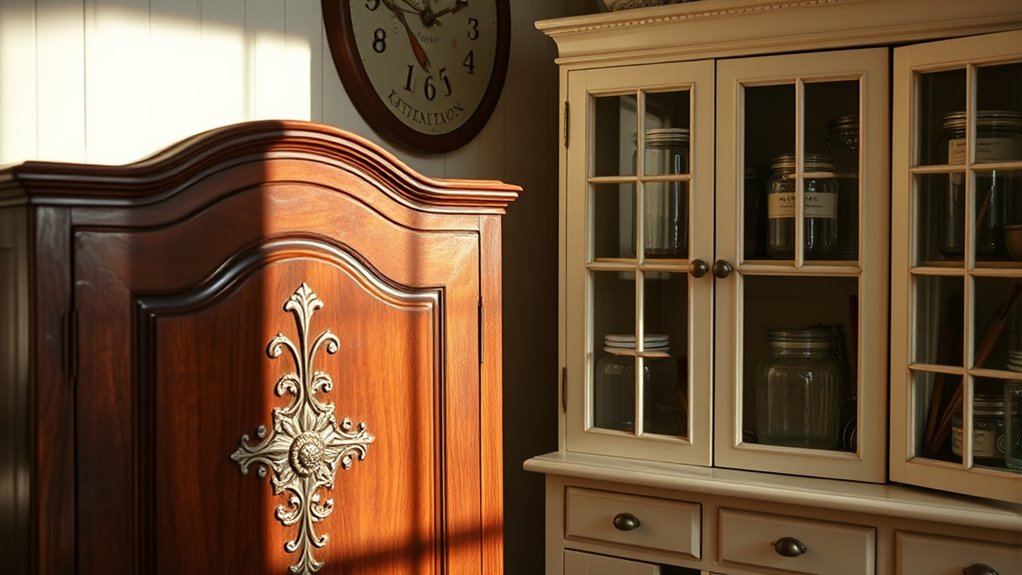
vintage pie safe with ventilation
As an affiliate, we earn on qualifying purchases.
As an affiliate, we earn on qualifying purchases.
Frequently Asked Questions
Are Pie Safes Still Manufactured Today?
Yes, pie safes are still manufactured today, though mostly as reproductions or restorations. If you’re interested in pie safe restoration, you’ll find many options that match classic Hoosier cabinet styles, blending vintage charm with modern craftsmanship. While original pie safes are rare, new versions often incorporate authentic design elements, making them a charming addition to any kitchen or collector’s display.
What Materials Were Commonly Used for Hoosier Cabinets?
You might imagine a sturdy, vintage Hoosier cabinet, and you’ll find it’s usually made of wood construction, giving it a warm, durable feel. You also notice the metal hardware, which adds both strength and charm. These materials were chosen for their practicality and aesthetic appeal, making the cabinets not only functional but also beautifully crafted pieces that stood the test of time.
How Do I Identify a Vintage Pie Safe?
To identify a vintage pie safe, look for its distinctive features like punched tin panels, wire mesh doors, and a sturdy wooden frame. These safes were popular storage solutions in the 19th century, often used for baked goods. During antique restoration, focus on authentic hardware and craftsmanship. Its rustic charm and unique metalwork make it stand out, confirming it’s a genuine vintage pie safe perfect for both display and storage.
Can Hoosier Cabinets Be Customized?
Yes, Hoosier cabinets can be customized to suit your needs. You have various customization options, including cabinet modifications like adding shelves, drawers, or new hardware. You can also paint or stain the wood to match your decor. Many craftsmen offer personalized touches, so you can create a unique piece that fits your space perfectly. Just communicate your ideas clearly to guarantee the modifications reflect your style and functional requirements.
What Is the Typical Lifespan of a Pie Safe?
A pie safe typically lasts 50 to 100 years, especially with proper vintage kitchen storage and maintenance. Its durable materials and craftsmanship often allow it to be preserved as a piece of historical preservation. To extend its lifespan, you should regularly clean, avoid moisture, and restore any damaged wood or hardware. Proper care guarantees your pie safe remains a functional and charming antique for generations to come.
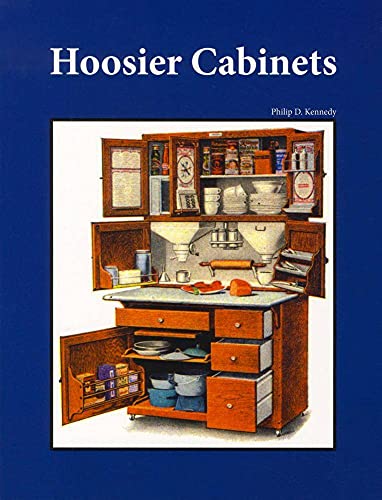
Hoosier Cabinets
Published by Philip D. Kennedy
As an affiliate, we earn on qualifying purchases.
As an affiliate, we earn on qualifying purchases.
Conclusion
Now that you understand pie safes and Hoosier cabinets, imagine restoring an old kitchen and discovering a hidden pie safe. You open it to find vintage recipes and utensils inside, adding charm and history to your space. These pieces aren’t just functional—they tell stories. Whether you keep them as collectibles or use them daily, they bring a unique warmth to your home, connecting you to the past while serving your present needs.

LOVECASA Ceramic Mini Pie Pans Set of 6-5.5 Inch Oven Safe Small Pie Dishes, Nonstick Mini Pot Pie Baking Tins for Chicken Pot Pie, Tarts, Quiches & Desserts, Stackable Ruffled Rims, White
【Versatile Mini Ramekins Set】LOVECASA 8 oz small ramekins can extend your cooking possibilities in the oven for any…
As an affiliate, we earn on qualifying purchases.
As an affiliate, we earn on qualifying purchases.
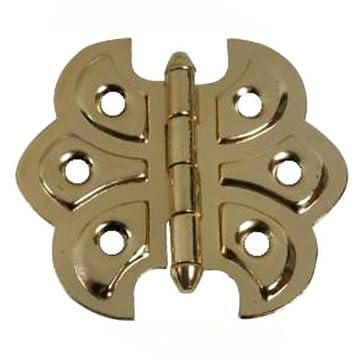
Van Dyke’s Restorers Classic Surface Mount Butterfly Hinge — 2 3/8 x 2 1/4 Inch Steel Hinge in Polished Brass Finish, Early 20th Century Ornamental Cabinet & Hoosier Hardware for Restoration Projects
Ornamental Butterfly Design: Featuring a classic butterfly silhouette inspired by early 20th-century woodworking, this decorative hinge adds a…
As an affiliate, we earn on qualifying purchases.
As an affiliate, we earn on qualifying purchases.