
TL;DR

Get furniture and decor delivered free — and shop member deals
- Fast, free delivery on millions of items
- Access to Prime Big Deal Days deals on October 6–7
- Prime Video, Amazon Music and more included
Home maintenance experts suggest citric acid as a superior alternative to vinegar for clearing limescale from showerheads. The powder form allows for adjustable concentration and lacks the strong odor of vinegar. Proper soaking techniques can restore water pressure without damaging fixtures if material compatibility is checked.
Mineral deposits that restrict water flow in showerheads can be cleared more effectively using citric acid than traditional vinegar, according to home maintenance guidance. This acidic powder, widely used in Japan for cleaning, dissolves limescale faster and lacks the pungent smell associated with acetic acid. The method offers a low-cost solution to restore water pressure and prevent the frustration of uneven spray patterns.
Citric acid is identified as a stronger descaling agent than vinegar, with the added benefit of being available in a concentrated powder form. This allows users to mix a solution with adjustable cleaning power, typically using two tablespoons of powder per two cups of water. The process involves soaking the showerhead in this solution for one to two hours, which is sufficient time for the acid to dissolve the mineral scale blocking the nozzles. This method is particularly relevant for homeowners experiencing reduced water pressure, as the buildup often mimics the effect of a low-flow fixture.
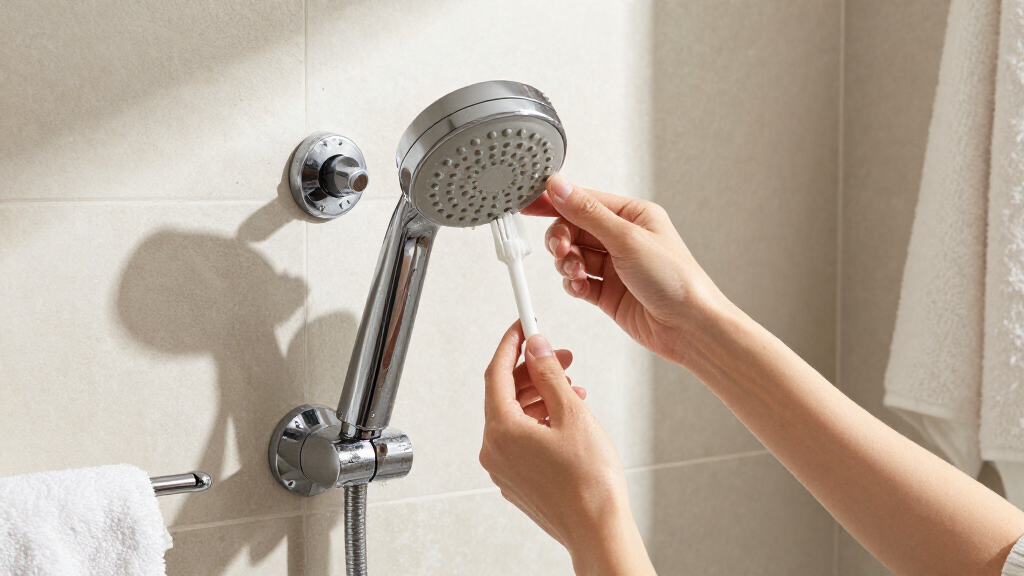
Application methods vary based on the fixture type. For handheld showerheads, the unit can remain attached to the hose and simply submerged in a bucket of the solution within the shower stall. For fixed heads, users can either unscrew the fixture using slip-lock pliers for a sink soak or use a plastic bag method. This involves filling a bag with the solution, wrapping it around the showerhead to immerse the nozzles, and securing it with rubber bands. After soaking, a final scrub and rinse are recommended to remove any residual debris.
While effective, the solution requires caution regarding material compatibility. Aluminum, copper, and brass fixtures should not be exposed to citric acid, as the reaction can cause corrosion and discoloration. Additionally, the mixing container should be made of plastic, ceramic, or glass to prevent unwanted chemical reactions with metal bowls. The cost remains low, with food-grade citric acid available for approximately $0.31 per ounce in North America.
Restoring Water Pressure Without Odor
The shift toward citric acid addresses two common complaints with vinegar-based cleaning: the lingering smell and the variable strength of liquid vinegar. By using a powder, homeowners can create a more potent solution that acts quickly on stubborn scale. This is significant for maintaining household water efficiency; a clogged showerhead often leads to longer shower times as users struggle to rinse off, negating the water-saving intent of low-flow designs. Clearing the blockage restores the intended flow rate and improves the user experience without requiring professional plumbing services.
As an affiliate, we earn on qualifying purchases.
Global Cleaning Practices and Availability
Citric acid is a standard household cleaning staple in Japan, where it is known as kuensan and is used for a variety of descaling tasks. In North America, it has traditionally been viewed primarily as a food additive, but its utility in home maintenance is gaining recognition. Unlike vinegar, which is a liquid solution of acetic acid, citric acid powder is shelf-stable and compact. Its availability on major online retailers has made it accessible to a broader audience, bridging the gap between specialized cleaning products and common household items.
Limitations for Non-Mineral Blockages
While citric acid effectively dissolves mineral scale, it may not resolve all flow issues. Some showerhead nozzles may be blocked by debris, mold, or other organic matter that does not react to acid. In these cases, the soaking process alone will not restore full pressure. Users may need to physically dislodge debris with a toothpick or use additional mechanical cleaning methods. It is not yet clear if this method is equally effective on all types of plastic finishes, though it is generally considered safe for standard plastic fixtures.
Maintenance and Material Checks
Homeowners should inspect their showerhead materials before attempting this cleaning method to avoid corrosion. If the fixture is made of compatible materials, regular soaking can prevent future buildup. For those who prefer to leave the head in place, the plastic bag technique offers a convenient option that requires no disassembly. After cleaning, monitoring water pressure will confirm if the blockage was solely mineral-based or if further maintenance is required.
Key Questions
Can I use citric acid on any showerhead?
No. Do not use citric acid on showerheads made of aluminum, copper, or brass, as it can cause corrosion and discoloration. It is safe for most plastic and stainless steel fixtures.
How long should I soak the showerhead?
The recommended soak time is one to two hours. This duration allows the acid solution to fully dissolve the mineral scale blocking the nozzles.
Is citric acid safer than vinegar?
Citric acid is generally considered safer for materials due to its controlled concentration and lacks the strong odor of vinegar. However, it is still an acid and should be handled with care, avoiding contact with eyes and skin.
What if the water pressure doesn’t improve?
If pressure does not improve after soaking, the blockage may be caused by debris or mold rather than minerals. Use a toothpick to poke through the nozzles to dislodge any remaining physical obstructions.
Source: rss
Halloween Picks
halloween
As an affiliate, we earn on qualifying purchases.