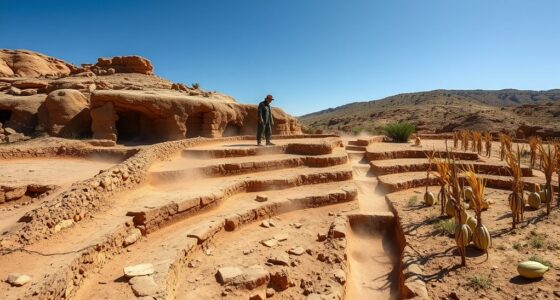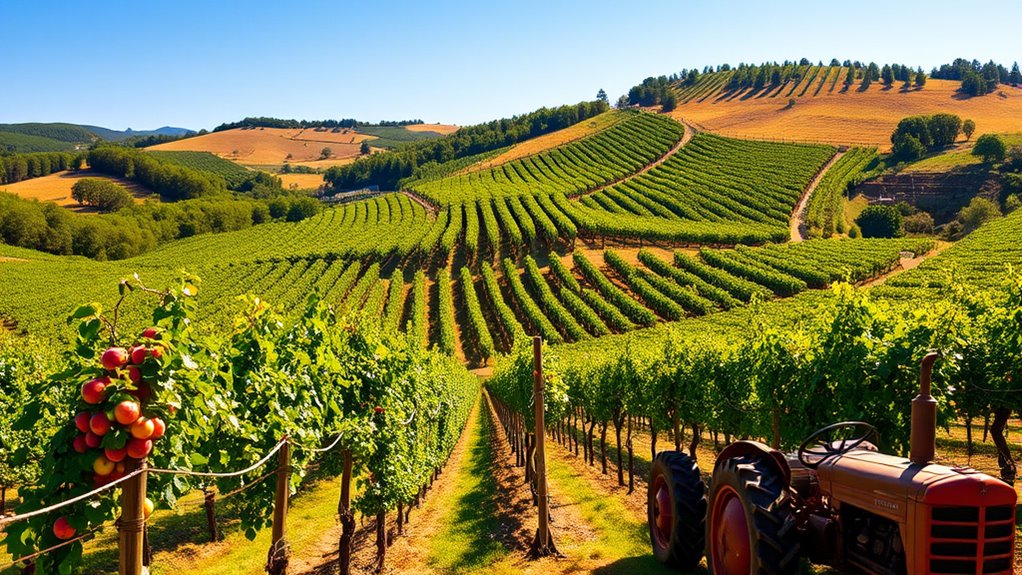

Reviving historic mission orchards and vineyards helps preserve cultural heritage while promoting biodiversity and sustainable farming. These efforts bring back heirloom fruit and grape varieties, supporting ecological health and resilient agriculture. Community involvement through workshops and educational programs strengthens local pride and awareness. By restoring these sites, you contribute to protecting valuable traditions and land for future generations. Continue exploring to discover how these revivals are shaping a sustainable and culturally rich future.
Key Takeaways
- Revival efforts restore historic mission orchards and vineyards, preserving cultural heritage and early settler agricultural practices.
- Restorations promote crop diversification, supporting ecological resilience and reducing reliance on monocultures.
- Community engagement through educational programs fosters awareness of heritage preservation and sustainable farming.
- These initiatives protect unique fruit and grapevine varieties, maintaining genetic diversity and cultural identity.
- Mission orchard and vineyard revivals strengthen local economies and inspire sustainable land stewardship for future generations.
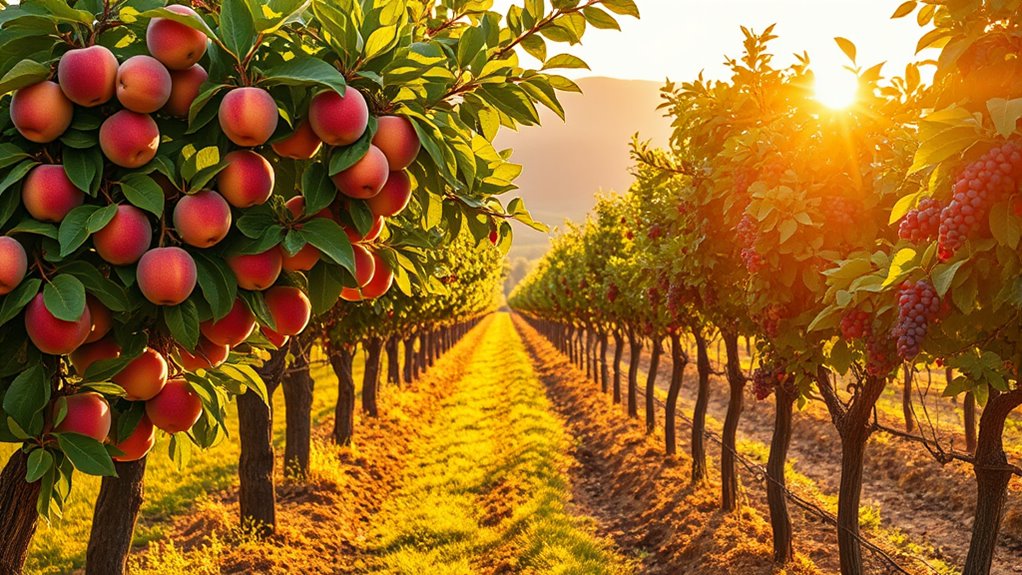
Many historic mission orchards and vineyards are experiencing a revival as communities recognize their cultural and agricultural value. This resurgence isn’t just about restoring old plants; it’s a conscious effort to preserve heritage and promote sustainable farming practices. When you get involved, you’ll see how heritage preservation becomes a crucial part of reconnecting with the past, safeguarding unique varieties of fruit and grapevines that have thrived for generations. These orchards and vineyards serve as living museums, offering a tangible link to the history of early settlers and indigenous peoples who cultivated these lands. Restoring them isn’t just about nostalgia; it’s about maintaining genetic diversity and cultural identity. Through careful cultivation and education, you can help ensure these orchards remain vibrant, relevant, and resilient for future generations.
One of the key benefits of these revivals is crop diversification. When you participate in restoring mission orchards and vineyards, you’re not just planting the same old varieties; you’re introducing a broader spectrum of crops that can adapt to changing climates and market demands. This diversification reduces reliance on monocultures, making the entire system more resilient to pests, diseases, and environmental stressors. It also opens up opportunities for local farmers and communities to explore new markets, whether through organic produce, specialty wines, or heritage fruit products. As you learn about the different varieties, you’ll appreciate how each contributes to the overall health and sustainability of the land, helping to create a balanced ecosystem that benefits everyone involved. Additionally, understanding growing and harvesting chia seeds can inspire sustainable practices that support soil health and biodiversity.
Restoring these orchards and vineyards also encourages community engagement and education. When you get involved, you’re helping to host workshops, tours, and educational programs that highlight the importance of heritage preservation and crop diversification. These efforts inspire others to value local history and understand how diverse farming practices support ecological resilience. As a participant, you’ll witness firsthand how tradition and innovation can work hand-in-hand to build a sustainable future. You become part of a movement that honors the past while actively shaping the future of local agriculture.
In essence, the revival of mission orchards and vineyards offers a chance to reconnect with history, protect biodiversity, and strengthen local economies. By supporting these efforts, you help ensure that the cultural and agricultural significance of these lands endures. You’ll see how heritage preservation and crop diversification are not just concepts—they’re practical tools that foster resilience, sustainability, and community pride. Engaging in this revival means becoming a steward of history and a catalyst for positive change, securing these historic landscapes for generations to come.
Top picks for "mission orchard vineyard"
Open Amazon search results for this keyword.
As an affiliate, we earn on qualifying purchases.
Frequently Asked Questions
What Are the Main Challenges in Reviving Historic Orchards?
You face challenges like balancing heritage preservation with modern needs, ensuring old orchards meet current standards while maintaining their historical value. Crop diversification can be difficult, as it requires adapting traditional practices to new varieties, which may not thrive in old soils or climates. Securing funding and expertise is tough too, but focusing on these areas helps revitalize historic orchards, blending tradition with sustainable agriculture.
How Do Climate Changes Affect Vineyard Revival Efforts?
Climate changes impact vineyard revival efforts by creating unpredictable weather variability that challenges traditional growing practices. You need to focus on climate adaptation strategies, such as selecting resilient grape varieties and adjusting planting schedules. These efforts help your vineyard withstand extreme temperatures, droughts, and unexpected frosts. By embracing climate adaptation, you can mitigate risks associated with weather variability, ensuring your vineyard’s sustainability and success despite changing climate conditions.
Are There Specific Native Species Prioritized in These Revivals?
Yes, you prioritize native species in vineyard revivals to enhance biodiversity preservation. By selecting plants that naturally thrive in your area, you support local ecosystems and improve resilience against climate changes. Native species help maintain soil health, attract beneficial insects, and reduce the need for extra resources. Incorporating these plants guarantees your efforts contribute to healthier, more sustainable vineyards while preserving the region’s natural biodiversity.
What Funding Sources Support Orchard and Vineyard Restoration Projects?
You can find funding support through various grant opportunities offered by government agencies, non-profit organizations, and environmental programs focused on agricultural and ecological restoration. Additionally, private investments play a vital role, especially from donors interested in sustainable agriculture or local food systems. To maximize your chances, research local, state, and federal grants, and consider engaging private investors who share your vision for orchard and vineyard revitalization efforts.
How Do Local Communities Participate in Revival Initiatives?
They say “many hands make light work,” and your community can truly make a difference in revival initiatives. You can participate through community volunteerism, helping plant, maintain, and promote local orchards and vineyards. Additionally, engaging in educational outreach spreads awareness and inspires others to get involved. Your active participation not only restores these essential spaces but also fosters a stronger, more connected community passionate about preserving their agricultural heritage.
Conclusion
As you witness these mission orchards and vineyards come alive again, remember that every revival starts with a single seed. Just like a small spark can ignite a blazing fire, your efforts can breathe new life into old traditions. Embrace the journey, and soon you’ll see the fruits of your labor flourish, proving that where there’s a will, there’s a way. Keep nurturing these roots, and you’ll harvest more than you ever imagined.