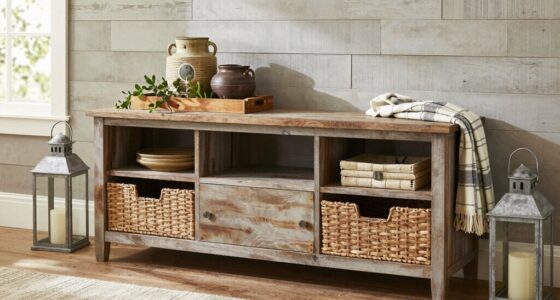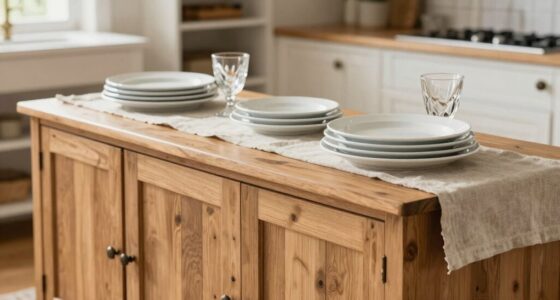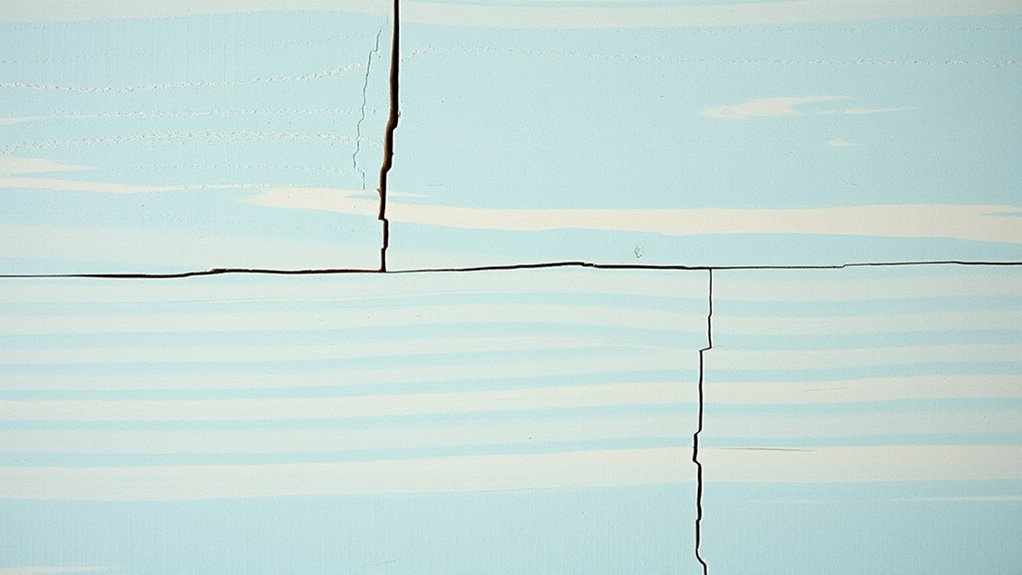

To achieve an authentic patina with milk paint, start by mixing small batches and testing colors on scrap or hidden areas. Apply thin layers with a brush, sponge, or rag, allowing each to dry thoroughly. Layer different shades and then distress the surface using sandpaper or steel wool to reveal aged layers beneath. Experiment with crackling and glazing techniques to enhance the vintage look. Keep exploring more tips to master the art of milk paint patina.

Get furniture and decor delivered free with Prime
- Fast, free delivery on millions of items
- Prime Video, Amazon Music and more included
- Member-only deals all year
Key Takeaways
- Mix milk paint powder with water to customize color and consistency for authentic, vintage finishes.
- Layer different shades and distress with sanding or scraping to create depth and aged patina.
- Use thin coats and quick application to promote natural crackling and textured, weathered effects.
- Experiment with blending colors and adding bonding agents to enhance crackling and aging appearance.
- Test techniques on scrap wood first to refine your approach for achieving a genuine, antique look.
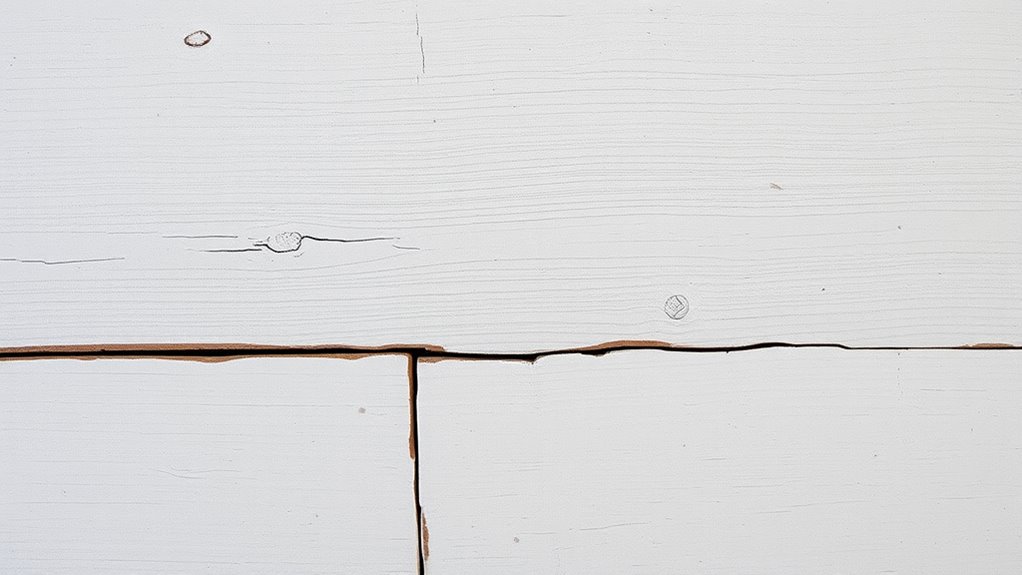
Have you ever wondered how to achieve a beautiful, vintage look on your furniture? Milk paint is the answer, and understanding the basics can help you create authentic patina that looks timeless. One of the key aspects to mastering milk paint is color mixing. Unlike regular paints, milk paint is often sold as a powder that you mix with water, giving you the freedom to customize shades to match your vision. When mixing colors, start with small batches until you get a feel for how the pigment reacts. You might find that blending two shades creates a unique, aged hue, adding character to your piece. Keep in mind that milk paint tends to dry darker than it appears when wet, so it’s wise to test your color on a scrap piece or inconspicuous spot first. This step ensures you’re happy with the tone before committing to your project.
Application techniques are equally important for achieving a genuine vintage finish. Milk paint is typically applied with a brush, sponge, or even a rag, depending on the effect you want. For a distressed, weathered look, you can apply multiple thin coats using a stiff-bristled brush, allowing each layer to dry thoroughly before adding the next. Once dry, you can use sandpaper or steel wool to gently distress the surface, revealing layers beneath and enhancing the aged appearance. If you prefer a more uneven, rustic look, applying the paint with a rag or sponge can create interesting textures and variations. Another popular technique involves layering different colors, then sanding or scraping parts of the top layer to expose the underlying hues, mimicking natural wear over time. When applying milk paint, it’s best to work quickly since it tends to dry fast, so prepping your workspace and having your tools ready makes the process smoother.
Moreover, milk paint’s porous nature allows it to absorb moisture and develop a crackled, antique patina over time, especially if you apply a bonding agent or wax afterward. To achieve this, you might choose to dilute the paint slightly with water or add a bonding agent to enhance adhesion and crackling. Always remember to test your application techniques on scrap wood first to see how the paint behaves and to refine your approach. Milk paint is forgiving but requires a bit of experimentation to master the look you desire. With a good understanding of color mixing and application techniques, you’ll be well on your way to creating furniture with a genuine, vintage charm that looks as if it’s aged gracefully over decades.
As an affiliate, we earn on qualifying purchases.
Frequently Asked Questions
Can Milk Paint Be Used on Outdoor Furniture?
Yes, you can use milk paint on outdoor furniture. To guarantee durability, choose a high-quality milk paint formulated for exterior use and apply a weatherproofing sealant afterward. This combination enhances outdoor weatherproofing and protects against moisture and UV rays. Regular maintenance and reapplication of sealant will keep your furniture looking great and extend its lifespan, making milk paint a versatile and charming option for outdoor projects.
How Long Does Milk Paint Last Without Sealing?
Without sealing, milk paint typically lasts about 3 to 4 years, but this depends on exposure and conditions. Notably, natural aging can add to its charm, giving furniture an authentic, weathered look over time. Its paint durability varies, especially outdoors, where elements wear on the finish. To extend its lifespan and enhance durability, sealing is highly recommended. Otherwise, expect the paint to gradually fade and chip with prolonged exposure to the elements.
Is Milk Paint Suitable for Kitchen Cabinets?
Yes, milk paint is suitable for kitchen cabinets, especially if you want eco-friendly options and historical authenticity. Its natural, non-toxic ingredients make it safe for food prep areas, and it provides an authentic, vintage look. Just guarantee you seal it properly to protect against moisture and stains. With proper sealing, milk paint can give your cabinets a charming, durable finish while maintaining an environmentally friendly and historically accurate aesthetic.
What Are Common Mixing Ratios for Milk Paint?
Think of mixing milk paint like blending a symphony, where each note must be just right. You’ll want to start with a 1:1 ratio of powder to water for a balanced tone. For softer hues, add more water; for richer color, use less. Always check the consistency and adjust by adding more water or powder as needed. This way, you achieve perfect color mixing and the ideal consistency for your project.
Can Milk Paint Be Applied Over Existing Finishes?
Yes, you can apply milk paint over existing finishes. To guarantee good adhesion, start with thorough surface preparation—clean, sand, and remove any glossy or waxy layers. Use proper application techniques like brushing or sponging to achieve a smooth, even coat. By preparing the surface well and applying carefully, you’ll create a beautiful, authentic patina that enhances your piece’s character and charm.
Conclusion
Now that you’ve uncovered the secrets of milk paint, you’re ready to breathe new life into your furniture like a skilled artist adding the final stroke to a masterpiece. Embrace the rustic charm and authentic patina that only milk paint can provide, turning your pieces into timeless treasures. With a little patience and a splash of creativity, you’ll transform ordinary surfaces into stunning stories etched with history and character—your personal touch making each piece truly one-of-a-kind.
Fall Picks
fall essentials
As an affiliate, we earn on qualifying purchases.