
Many barn storms and tornado events come with myths that could put you at risk, like opening windows to prevent house damage. In reality, opening windows offers no safety benefit and can cause injuries from flying debris. Instead, focus on seeking sturdy shelter immediately, away from windows and exterior walls. Understanding what’s true and what’s not will help you stay safe when storms hit—keep going to learn more about tornado myths and what you should do instead.
Key Takeaways
- Opening windows during a tornado is a myth; it does not prevent damage or pressure buildup.
- Proper safety involves seeking shelter in a sturdy, interior location rather than trying to “equalize” pressure.
- Tornadoes can cause house damage regardless of window status, and opening windows can let in dangerous debris.
- The myth originated from misunderstandings about tornado pressure effects, but no scientific evidence supports window opening for safety.
- Following proven tornado safety guidelines, like moving to a basement or interior room, is essential for protection.
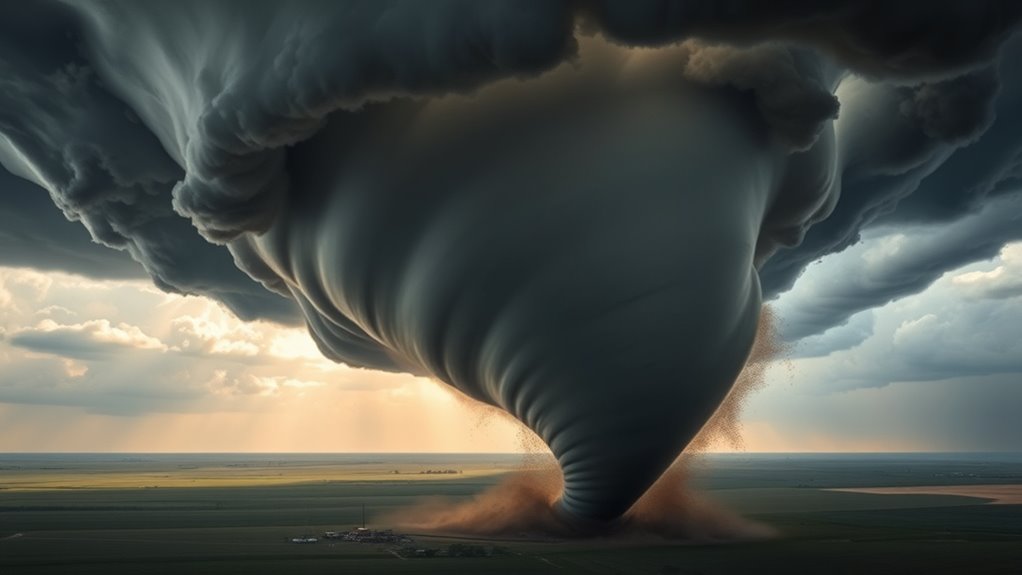
Have you ever heard that opening your windows can protect your home during a tornado? This common myth has circulated for years, but it’s actually a misunderstanding of how tornado safety works. The idea behind it was that opening windows would equalize pressure and prevent your house from exploding or suffering structural damage. However, myth debunking shows that this isn’t true. Tornado safety experts agree that trying to open windows during a tornado doesn’t provide any real benefit and can even be dangerous. Instead, your focus should be on seeking proper shelter immediately. Tornado safety relies on taking swift, informed action—getting into a sturdy basement or an interior room, away from windows, and covering yourself with a mattress or heavy blankets.
This myth persists because some think it might lessen the damage, but tornadoes are unpredictable and powerful. The pressure inside your house doesn’t build up enough to cause the structure to explode, so opening windows doesn’t relieve any pressure. It just wastes precious seconds you could be using to get to safety. That’s why tornado safety guidelines emphasize the importance of having a plan and acting quickly. When a tornado warning sounds, your first instinct should be to move to the most protected part of your home without delay.
Many people mistakenly believe that opening windows can help prevent flying debris or structural failure. In reality, debris can enter through open windows and cause injuries, and the wind’s force can damage your house regardless of whether windows are open or closed. Closing and securing windows and doors is the best way to maintain your home’s integrity during a tornado. The key is to stay calm, avoid windows altogether, and find a safe shelter.
In fact, the safest place during a tornado is a basement or an interior room on the lowest level of your home. Myth debunking has shown that these locations offer the best protection. Putting heavy furniture against walls or covering yourself with a mattress can shield you from flying debris. Additionally, understanding vetted safety guidelines can help you prepare more effectively for severe weather events. Remember, tornado safety isn’t about trying to outsmart the storm; it’s about following proven guidelines and acting fast. Opening windows to equalize pressure isn’t just ineffective—it’s a distraction from the real safety measures that could save your life. Stay informed, prepared, and always prioritize immediate shelter over outdated myths.
storm shelter mattress
As an affiliate, we earn on qualifying purchases.
As an affiliate, we earn on qualifying purchases.
Frequently Asked Questions
How Can I Identify a Tornado Before It Forms?
You can’t reliably identify a tornado before it forms, but you can watch for storm prediction and changing weather patterns that signal potential tornado development. Keep an eye on dark, rotating clouds, a loud roar, and a sudden shift in wind direction. Stay alert to weather alerts and warnings from trusted sources, as they help you anticipate tornado formation. Being prepared and informed is your best defense against these unpredictable storms.
Are There Specific Areas More Prone to Tornadoes?
Certain areas experience higher tornado frequency due to regional vulnerability, making them more prone to tornadoes. You should pay close attention if you live in Tornado Alley, where the climate and geography increase tornado risks. These regions often have a history of frequent storms, so staying informed about local weather alerts and understanding regional vulnerability can help you prepare and respond effectively to tornado threats.
What Are the Long-Term Health Effects of Tornado Exposure?
After experiencing a tornado, you might face long-term health effects like psychological trauma, including anxiety or PTSD, and respiratory issues from debris inhalation. These symptoms can persist months or even years if not addressed. You should seek mental health support and medical care to manage these effects. Taking proactive steps helps reduce long-term impacts, so don’t hesitate to reach out for professional help and prioritize your recovery.
How Do Tornado Sirens Alert People Effectively?
Tornado sirens successfully summon swift safety by sounding loud and loud enough to be heard over chaos. Their reliability hinges on consistent testing and clear signals, ensuring you recognize danger instantly. When sirens sound, stay sharp and seek shelter immediately. Tornado safety depends on timely alerts, so trust the truth behind siren signals, stay alert, and respond rapidly to protect yourself and your loved ones from impending peril.
Can Animals Sense a Tornado Before Humans?
Yes, animals often sense a tornado before humans do because of their heightened animal intuition. They pick up on subtle changes in pest behavior, such as increased agitation or unusual movements, and environmental cues like changes in barometric pressure. You might notice pets acting anxious or wildlife becoming restless, giving you early warning signs. Trusting these signals can help you prepare, as animals tend to react instinctively to impending storms.
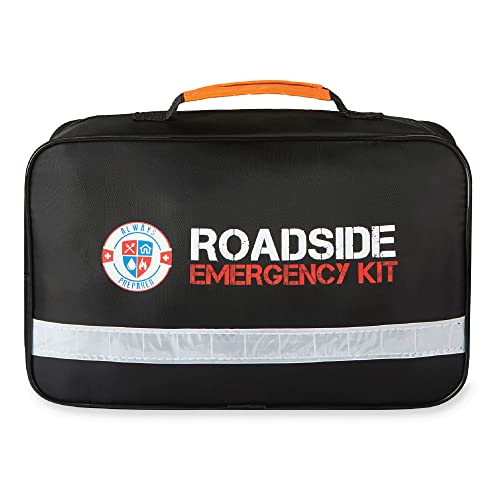
Always Prepared Premium Roadside Emergency Kit for Car – Car Safety Kit, Tools, First Aid, Visibility Gear & More – Perfect Roadside Assistance Kit Gift for New Drivers (125 pc)
ULTIMATE ROAD SAFETY KIT: Stay protected and secure with our 125-piece premium roadside emergency car kit. This emergency…
As an affiliate, we earn on qualifying purchases.
As an affiliate, we earn on qualifying purchases.
Conclusion
You now see that many tornado myths, like seeking shelter under bridges or ignoring warnings, are dangerous misconceptions. The reality is that staying informed, going to a sturdy shelter, and avoiding risky areas save lives. Visualize a tornado as a swirling, powerful force—respect it, but don’t fear it. By understanding these truths, you can better protect yourself and your loved ones, turning knowledge into an essential tool during storm season.
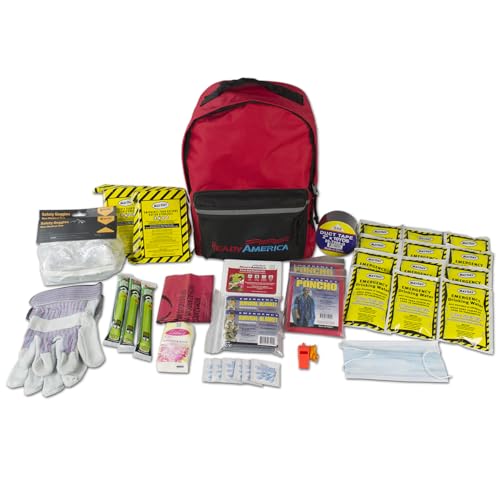
Ready America Tornado Emergency Kit 2-Person, 3-Day Backpack, Includes Emergency Food, Water, First Aid Kit, Survival Blanket, Safety Goggles, Portable Disaster Preparedness Go-Bag
TORNADO EMERGENCY KIT: Be prepared for what Mother Nature dishes out with a Ready America Tornado Preparedness Kit….
As an affiliate, we earn on qualifying purchases.
As an affiliate, we earn on qualifying purchases.

TICONN 12 x 9 Ft Plastic Drop Cloth for Painting, Waterproof Painters Plastic Sheeting, Painting Tarp for Furniture Cover, Floor Protection (6PK, 0.5Mil)
High Quality: TICONN Plastic tarp is made of premium HDPE plastic and provides excellent protection; The 9ft×12ft size…
As an affiliate, we earn on qualifying purchases.
As an affiliate, we earn on qualifying purchases.