To quickly set up a garden bed with the cardboard lasagna method, start by choosing a flat, sunny spot. Lay overlapping sheets of damp cardboard to suppress weeds and pests. Add 2-4 inches of compost-rich materials like kitchen scraps, yard waste, and manure on top. Cover with straw or shredded leaves, then water thoroughly. This layered approach creates healthy, fertile soil effortlessly. Keep exploring to discover more tips for a thriving garden.
Key Takeaways
- Use overlapping cardboard sheets directly on the site to block weeds and pests effectively.
- Layer 2-4 inches of compost and organic matter over the cardboard for nutrients.
- Add straw, leaves, or grass clippings on top to build organic layers quickly.
- Dampen the cardboard and water thoroughly to promote decomposition and settle layers.
- Choose a flat, sunny spot for the bed to ensure optimal growth and quick setup.
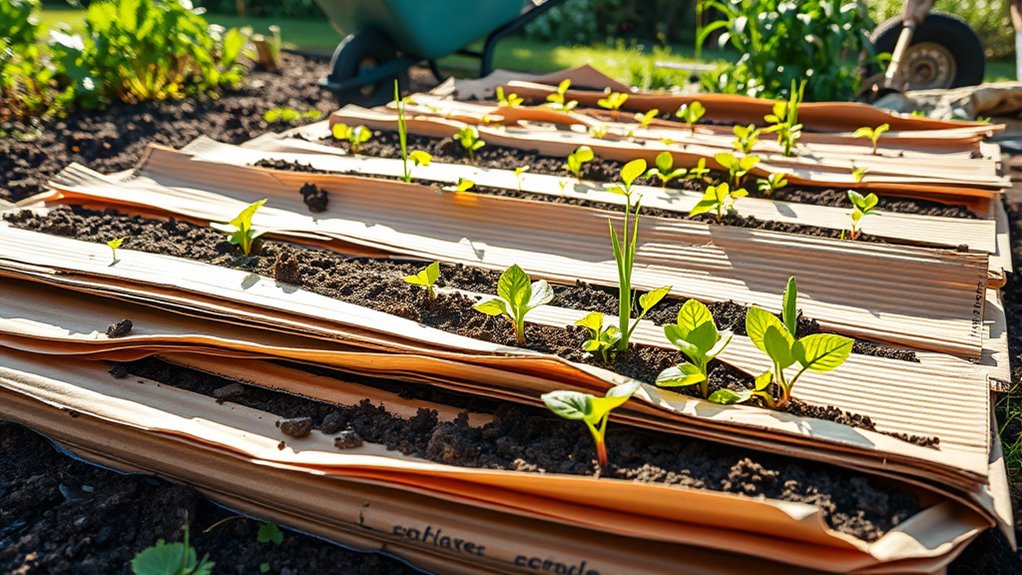
Setting up a garden bed is an essential first step toward a thriving garden. One of the quickest and most effective methods to do this is by using the cardboard lasagna technique. This approach involves layering materials like cardboard, compost, and organic matter directly on your chosen site, creating a nutrient-rich environment that’s ready for planting in no time. As you prepare your garden bed, you’ll want to think about incorporating composting techniques into your setup. This means layering compost-rich materials, such as kitchen scraps, yard waste, and aged manure, to boost fertility naturally. By doing so, you guarantee your plants get the nutrients they need to grow strong, without relying heavily on synthetic fertilizers.
Layer cardboard, compost, and organic matter to create a nutrient-rich, weed-free garden bed quickly and naturally.
When it comes to pest control methods, the cardboard lasagna method offers a natural advantage. The thick layers of cardboard act as a barrier against weeds and pests, helping keep unwanted visitors at bay. Plus, as the cardboard breaks down, it attracts beneficial insects and earthworms that improve soil health and help maintain a balanced ecosystem. This means fewer pests and less need for chemical interventions, making your garden safer for both you and the environment. You can also add organic pest control methods, like neem oil or companion planting, to further protect your plants without harmful chemicals.
To set up your garden bed, start by selecting a flat, well-drained area with ample sunlight. Lay down large sheets of cardboard directly on the ground, overlapping the edges to prevent weeds from sprouting through. Dampen the cardboard slightly to help it stay in place and accelerate decomposition. Next, add a thick layer of compost and organic matter on top of the cardboard. This layering mimics natural soil layers and provides a rich base for your plants. Continue layering with materials like straw, shredded leaves, or grass clippings, creating a lasagna of compost, cardboard, and organic waste. Each layer should be about 2-4 inches thick, ensuring good soil structure and moisture retention. Incorporating soil health principles into your setup will help promote long-term fertility and plant growth.
Once your layers are in place, water thoroughly to help everything settle and begin breaking down. The process is quick because the cardboard suppresses weeds and pests while the compost supplies nutrients. As the layers decompose, they create a fertile, loamy soil perfect for planting vegetables, herbs, or flowers. This method saves time because you don’t need to dig or till the soil beforehand, and it minimizes weed growth and pest problems from the start. With this efficient approach, you’ll be ready to plant sooner and enjoy a healthy, productive garden without the usual hassle.
garden bed cardboard lasagna kit
As an affiliate, we earn on qualifying purchases.
As an affiliate, we earn on qualifying purchases.
Frequently Asked Questions
Can Cardboard Lasagna Beds Be Used for Perennial Plants?
Yes, cardboard lasagna beds can be used for perennial plants. They offer good perennial compatibility because the cardboard breaks down slowly, providing nutrients and structure over time. However, for ideal bed longevity, you should layer extra compost and mulch to protect the roots and extend the bed’s lifespan. This setup encourages healthy perennial growth and creates a sustainable, eco-friendly garden bed that lasts for multiple seasons.
How Long Does It Take for Cardboard to Decompose Completely?
Cardboard typically takes about 3 to 6 months to decompose completely, depending on conditions. If you keep it moist, decomposition speeds up because moisture promotes microbial activity. On the other hand, dry conditions slow down the process. To guarantee faster breakdown, regularly water the cardboard and avoid dry spells. Properly prepared and maintained, your cardboard will turn into rich compost, supporting healthy plant growth in your garden bed.
Is It Necessary to Remove Weeds Before Installing the Bed?
Yes, weed removal is essential before installing your garden bed. You should clear out all weeds to prevent them from competing with your plants for nutrients and water. Proper soil preparation, including removing persistent weeds, ensures your cardboard lasagna setup works effectively and helps your garden thrive. Taking this step now saves you time later and creates a healthier environment for your plants to grow.
What Types of Mulch Work Best Over Cardboard Lasagna Beds?
You should choose mulch options like straw, shredded leaves, or wood chips for your cardboard lasagna beds. These mulches help retain moisture, suppress weeds, and add organic matter as they break down. When layering mulch, start with a thick, even layer over the cardboard, ensuring good coverage. Proper mulch layering not only protects your garden bed but also improves soil health, making your garden more productive and easier to maintain.
Can This Method Be Used in Areas With Heavy Rainfall?
You can definitely use this method in heavy rainfall areas, but you need to address rainwater drainage and cardboard durability. To prevent waterlogging, make certain your bed has proper drainage channels or elevated edges. Choose durable, thick cardboard that resists breakdown from moisture. Cover with mulch to protect the cardboard, and consider placing a tarp if heavy rains persist. This approach helps your lasagna garden thrive, even in wet climates.

Michigan Peat Compost and Manure Blend, Garden Magic Mix with Odor-Free Blend, 40 Lbs – Outdoor Lawn and Gardening Mixture with Nutrients and Minerals for Soil Potting and Planting
Organic Compost Blend: Enhance the nutrient content and soil quality of lawns and raised garden beds with this…
As an affiliate, we earn on qualifying purchases.
As an affiliate, we earn on qualifying purchases.
Conclusion
Setting up your garden bed with cardboard lasagna is like building a sturdy sandwich—layer by layer, it creates a strong foundation for your plants to thrive. I once watched a friend transform a neglected patch into a lush oasis in just a few weeks, simply by using this method. Just like that sandwich, your garden will hold everything together and nourish your plants. Trust the process, and watch your garden grow into something beautiful and fruitful.

HealthiStraw GardenStraw, 3 cu ft (20 lbs) All-Natural Mulch for Gardens, Vegetables & Lawn Seeding – Water-Conserving Wheat Straw – Thoroughly Cleaned, Sustainable
All-Natural & Clean Mulch —Sustainably sourced 100% non-GMO wheat straw is naturally filtered to remove dust, dirt, and…
As an affiliate, we earn on qualifying purchases.
As an affiliate, we earn on qualifying purchases.
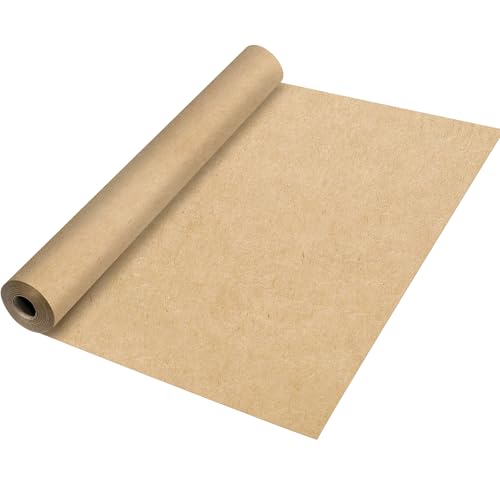
KEOHOLI 4 x 100 Ft Biodegradable Paper Weed Blocker Grass Barrier Landscape Paper Heavy Duty Biodegradable Paper Fabric for Garden Bed Grass Block (4×100 Ft)
Biodegradable: Our degradable craft paper is made of paper to break down naturally after the season, leaving no…
As an affiliate, we earn on qualifying purchases.
As an affiliate, we earn on qualifying purchases.