TL;DR
Houzz’s latest trend report indicates homeowners are abandoning minimalism in favor of five new interior design styles. The shift reflects changing tastes and a desire for more personalized, expressive homes.
Houzz’s latest trend report confirms that homeowners are shifting away from minimalism toward five emerging interior design styles. This change reflects evolving preferences in home decor, driven by a desire for more personality and warmth in living spaces. The findings are significant for interior designers, retailers, and homeowners planning renovations or new builds.
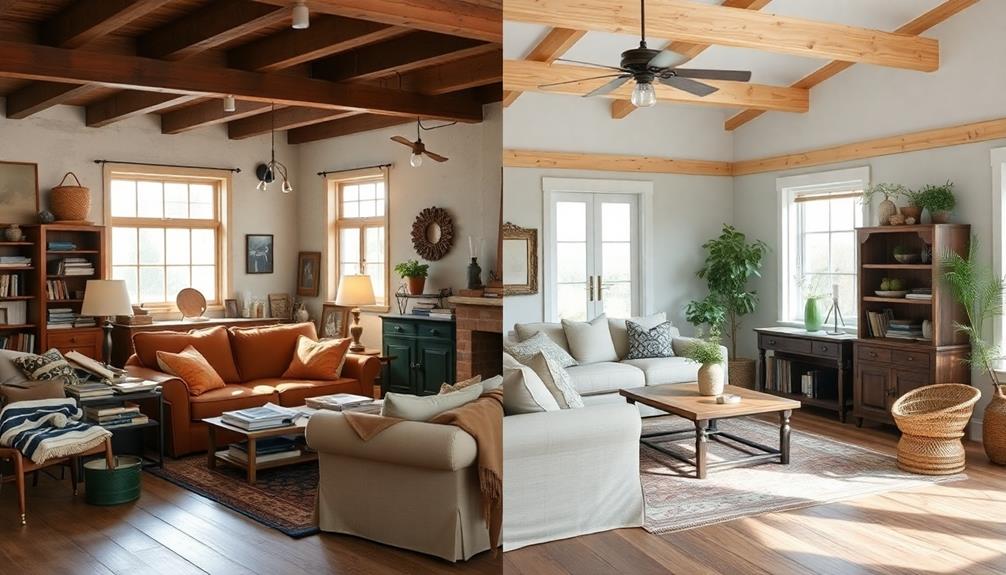
According to Houzz, a leading platform for home remodeling and design, interest in minimalistic home decor has peaked and is now declining among homeowners. Instead, five new design trends are gaining prominence, signaling a shift toward more expressive and personalized interiors. These trends include maximalist decor, nature-inspired elements, vintage and retro accents, artisanal craftsmanship, and bold color palettes.
Houzz’s data shows a spike in searches and project mentions related to these styles over the past several months, indicating a clear move away from the clean, sparse aesthetic that defined the previous decade. Industry experts suggest this trend may be fueled by a desire for comfort and individuality in post-pandemic home environments. However, Houzz emphasizes that this is a trend signal rather than an official industry-wide shift, and the exact reasons remain unconfirmed.
Why This Shift in Home Design Matters
This trend reversal is important because it highlights how homeowner preferences are evolving in response to broader cultural and social shifts. As people seek more expressive and personalized spaces, the home becomes a reflection of individual identity rather than a minimalist aesthetic. This impacts interior design practices, retail strategies, and the home improvement industry, which may need to adapt to these changing tastes.
Moreover, the move away from minimalism could influence furniture and decor markets, with increased demand for eclectic, vintage, and artisanal items. It also signals a potential shift in how homes are used, with more emphasis on comfort, storytelling, and self-expression.
As an affiliate, we earn on qualifying purchases.
Background on Minimalism and Current Design Trends
Over the past decade, minimalism has dominated interior design, characterized by clean lines, neutral palettes, and clutter-free spaces. This aesthetic gained popularity through social media and design influencers, shaping consumer preferences worldwide.
Recently, however, industry observations and search data suggest a plateau or decline in minimalism’s popularity. The pandemic’s impact, with more time spent at home, has reportedly prompted homeowners to seek warmer, more personalized environments. Houzz’s data points to a broader cultural shift toward expressive and eclectic interiors, though these observations are based on trend signals rather than confirmed industry-wide changes.
It is not yet clear whether this shift will lead to a sustained change or if minimalism will adapt and persist in new forms.
Unconfirmed Aspects of the Trend Reversal
It remains unclear whether this shift away from minimalism is a temporary response to current social trends or a longer-term change in interior design preferences. Houzz emphasizes that the observed data signals are preliminary, and industry-wide confirmation is pending. Additionally, the specific drivers behind this change—such as economic factors, cultural influences, or evolving lifestyles—are still unconfirmed.
Expected Developments and Industry Response
As interest in these new styles grows, interior designers and retailers are likely to adjust their offerings to include more eclectic, vintage, and artisanal products. Future trend reports and search data will clarify whether this shift is sustained or if minimalism will evolve rather than fade. Homeowners planning renovations should consider these emerging styles to stay current with evolving tastes.
Key Questions
Is minimalism completely out of style?
While Houzz’s data suggests a decline in interest, minimalism remains popular in some segments. The trend indicates a move toward more expressive styles, but minimalism may still coexist with emerging aesthetics.
What are the five new interior design trends Houzz identified?
The trends include maximalist decor, nature-inspired elements, vintage and retro accents, artisanal craftsmanship, and bold color palettes.
Why are homeowners shifting away from minimalism?
According to industry experts, the shift is driven by a desire for comfort, individuality, and spaces that reflect personal stories, especially following the pandemic.
Is this trend change confirmed or just a signal?
Houzz describes this as a trend signal based on search and project data, but it is not yet confirmed as a definitive industry-wide shift.
How might this impact the home decor market?
Expect increased demand for vintage, artisanal, and eclectic decor items, with retailers adjusting their product lines accordingly.
Source: rss