
Homestead letters offer a vivid glimpse into frontier life, sharing stories of resilience, hardships, and daily struggles faced by pioneers. Through these personal messages, you learn about harsh weather, isolation, and resourcefulness needed to survive. They reveal both emotional and physical challenges, while also showcasing moments of hope and small victories. If you’re curious about how families coped and thrived despite adversity, you’ll discover more inspiring details as you continue exploring these remarkable voices from the plains.
Key Takeaways
- Homestead letters offer personal insights into pioneer life, revealing hardships and resilience on the plains.
- They document challenges like harsh weather, isolation, and scarce supplies faced by settlers.
- Correspondence reflects etiquette, combining practicality with politeness to maintain bonds across distances.
- Letters highlight themes of perseverance, resourcefulness, and emotional struggles amid adversity.
- They serve as vital historical records preserving pioneer voices and daily realities on the frontier.
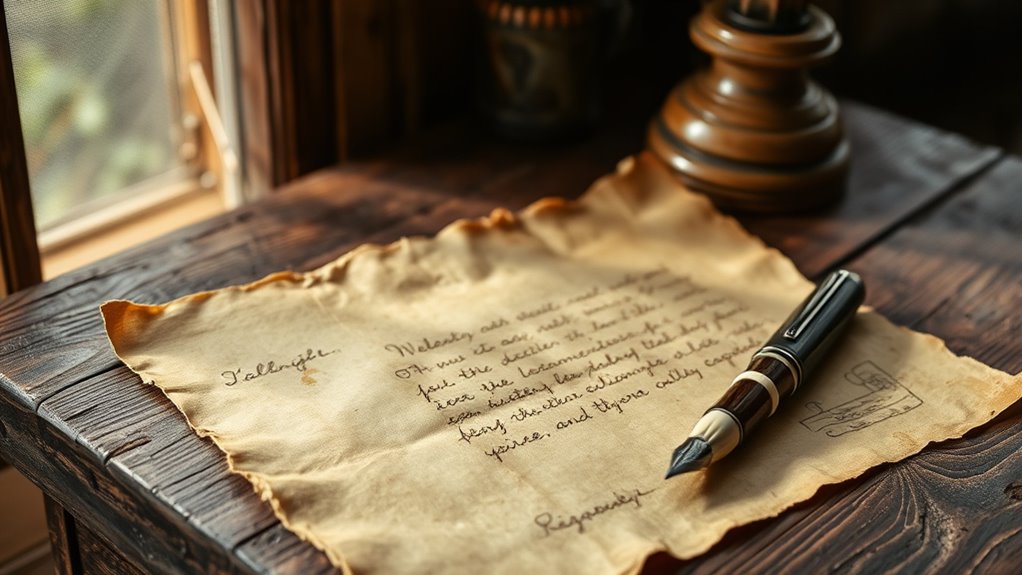
Homestead letters offer a direct glimpse into the lives of pioneers and settlers as they faced the challenges of building new beginnings. These letters serve as personal windows into a time when hardship was a daily reality, and communication was often the only link to loved ones left behind. As you read these handwritten notes, you get to witness firsthand the pioneer hardships they endured—harsh weather, isolated landscapes, scarce supplies, and the constant struggle to make the land productive. Their words reveal not only their struggles but also their resilience and determination to carve out a life in unfamiliar territory.
Homestead letters reveal pioneers’ resilience amid harsh weather, isolation, and scarce supplies.
When it comes to letter writing etiquette in those days, pioneers often balanced practicality with politeness. They understood the importance of clear, respectful communication, even amid difficult circumstances. Despite their hardships, they still adhered to basic letter-writing conventions: greeting loved ones warmly, expressing gratitude, sharing news, and closing with heartfelt sentiments. This etiquette helped maintain bonds across great distances, offering comfort and hope during tough times. You’ll notice that even in the face of adversity, the tone of these letters remained considerate and sincere, reflecting the deep connections they valued.
Pioneer hardships aren’t just mentioned in passing—they’re woven into the fabric of their correspondence. You might read about a particularly brutal winter, crops failing, or health issues that threaten to undo their efforts. Yet, through these accounts, it’s clear that their spirits remained unbroken. They celebrated small victories, like a good harvest or a letter from home, and expressed longing for familiar comforts. Their words reveal a fierce sense of perseverance; despite the obstacles they faced, they kept pushing forward, motivated by the hope of a better future. Additionally, these letters often highlight the self-sufficiency required for survival in such demanding environments, illustrating how settlers relied on their resourcefulness and resilience.
As you explore these homestead letters, you’ll also notice how they serve as historical documents that preserve the voices of those who helped settle the plains. Their personal stories paint a vivid picture of pioneer life, showing the emotional toll of solitude and the communal effort needed to survive. These letters are more than just correspondence; they’re testimonies of endurance, faith, and the unbreakable human spirit. Through their words, you gain insight into the daily realities of pioneers—how they managed pioneer hardships while maintaining the dignity and etiquette that kept their families and communities connected across vast distances.
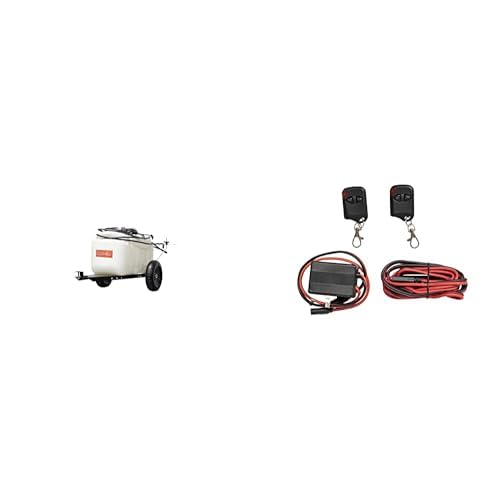
Bundle of Agri-Fab 45-0616 Tow-Behind Sprayer with Boom and Spray Wand 25 - Gallon Capacity, 1.6 GPM, 100 PSI Pump + Agri-Fab 12V Wireless Remote Control Kit
Sprayer: 25 Gal. tank with molded fill indicators
As an affiliate, we earn on qualifying purchases.
Frequently Asked Questions
How Were Homestead Letters Preserved Over Time?
You can preserve homestead letters over time through careful preservation techniques like proper storage in acid-free folders and climate-controlled environments. These methods help mitigate archival challenges such as deterioration from humidity, light, and handling. You might also digitize the letters, ensuring future accessibility and protection from physical damage. Regular monitoring and gentle cleaning further support long-term preservation, allowing these valuable voices from the plains to be preserved for generations to come.
Who Primarily Authored the Homestead Letters?
You’ll find that the homestead letters are mainly penned by settlers and pioneers who made their way West. These settlers’ correspondence and pioneer diaries reveal their daily lives, hopes, and struggles. They often wrote to loved ones, sharing experiences and aspirations. Their heartfelt words, preserved over time, give us a vivid glimpse into a pioneering spirit, capturing the essence of frontier life through personal stories and candid reflections.
Are There Any Digital Archives of These Letters?
Yes, there are digital repositories and online collections that host homestead letters. You can explore these digital archives to access the letters conveniently from anywhere. Many museums, historical societies, and universities have digitized these documents to preserve and share them. By searching specific online collections, you’ll find a wealth of firsthand accounts and personal stories from homesteaders, making it easier to research or simply enjoy these historical voices.
What Emotions Are Most Commonly Expressed in the Letters?
You’ll notice that feelings of longing and expressions of hope are most common in these letters. As you read, you’ll see settlers expressing their deep yearning for loved ones, often missing home and familiar comforts. At the same time, they convey hope for better days ahead, believing in their resilience and the promise of new beginnings on the plains. These emotions reveal their strength and unwavering spirit amid hardship.
How Do These Letters Reflect Daily Life on the Plains?
You find that these letters are like windows into rural routines, revealing daily chores and the steady rhythm of life on the plains. Through their words, you see how community bonds serve as lifelines, offering comfort and strength amid hardships. They paint a picture of resilient, hardworking people, where every letter echoes the pulse of a life shaped by the land and shared struggles, forging a quiet but unbreakable connection.

Master Mfg 36-Gallon Premium Pull-Behind Trailer Broadcast Sprayer - 10ft Swath, 3.0GPM, 60PSI Max
Broadcast spray 10-feet with 6 quick attach, no-drip nozzles
As an affiliate, we earn on qualifying purchases.
Conclusion
As you read these homestead letters, you feel the rugged determination of the settlers, their hopes carved into the vast plains. Yet, behind their resilience lies vulnerability—the quiet fears and lonely nights. Juxtaposed against the endless horizon, these letters reveal a world of both promise and hardship. You realize that behind every story of conquest, there’s a gentle reminder of the human spirit’s strength amidst life’s stark realities.

Master Mfg Dual Nozzle Broadcast Spray Boom Kit - 7' Swath, Deflector Nozzles
Broadcast spray up to 7 feet with dual nozzles
As an affiliate, we earn on qualifying purchases.

NorthStar Tow-Behind Trailer Boom Broadcast and Spot Sprayer, 31-Gallon Tank, 2.2 GPM, 12V DC, 70 PSI, Spring-Loaded Breakaway Boom, NSQ Series On-Demand Pump, Model 282785
COMMERCIAL-GRADE NSQ SERIES PUMP WITH 2.2 GPM, 70 PSI AND 100% CONTINUOUS DUTY RATING: The NorthStar NSQ Series...
As an affiliate, we earn on qualifying purchases.