
To thrive in windy, dry conditions, families often choose resilient, drought-tolerant crops like carrots, sweet potatoes, beans, squash, and hardy herbs such as basil. Deep-rooted plants help access underground moisture and withstand wind stress, while companion plants like marigolds deter pests naturally. Using windbreaks and enriching soil with compost improves overall resilience. If you want to learn more about building a strong, sustainable garden in tough conditions, keep exploring how each strategy works together.

Get furniture and decor delivered free with Prime
- Fast, free delivery on millions of items
- Prime Video, Amazon Music and more included
- Member-only deals all year
Key Takeaways
- Families prefer deep-rooted crops like carrots and sweet potatoes to withstand wind and drought stress.
- Resilient plants such as beans, squash, and herbs serve as pest-resistant companions in windy conditions.
- Organic soil amendments improve water retention, supporting crops in dry, windy environments.
- Windbreaks and physical barriers protect plants from gusts and help maintain microclimates.
- Selecting hardy, stress-tolerant crops enhances garden sustainability in dry, windy conditions.
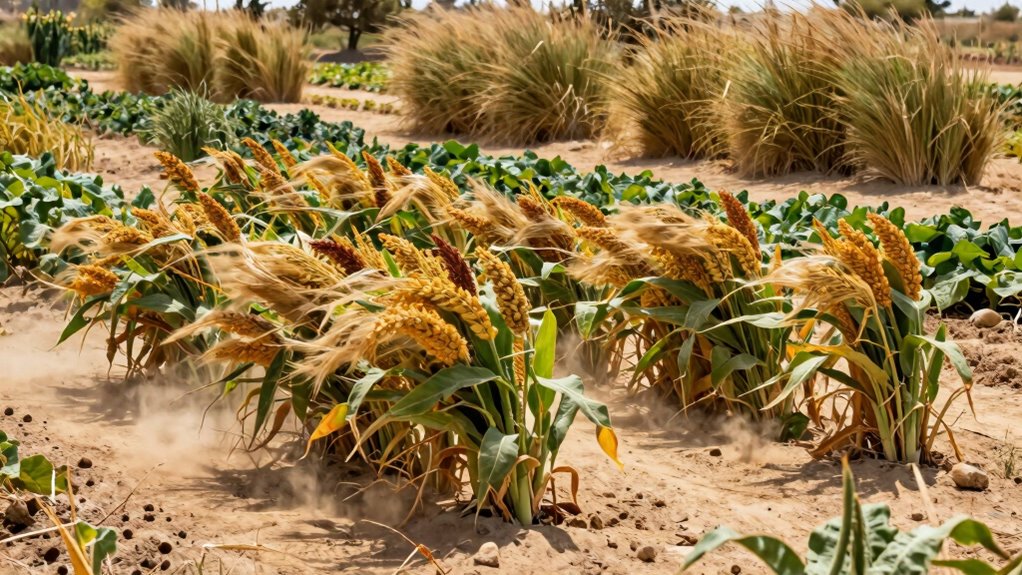
When it comes to pest management, windy conditions can actually work in your favor if you choose the right plants. Many pests struggle to settle on hardy crops that are tough and keep growing despite the stress of the environment. By planting crops that are less attractive to pests, you naturally reduce the need for chemical controls, which can be inefficient or harmful in windy conditions where sprays might be blown away or dispersed. Crops like beans, squash, and certain herbs tend to be pest-resistant and can serve as effective companions, enhancing pest management through natural deterrents. Companion planting also plays a crucial role; for example, planting marigolds near vegetables can repel nematodes and aphids, while aromatic herbs like basil can deter flies and beetles.
Choosing crops with deep roots is especially advantageous in windy, dry soils because they can access moisture and nutrients deeper in the ground. Think of crops like carrots, sweet potatoes, or certain varieties of kale. These plants are better equipped to withstand drought and wind because they draw water from below the surface, reducing stress and maintaining growth. To support these crops, soil enrichment becomes even more essential. Regularly adding compost, manure, or other organic amendments improves the soil’s water-holding capacity, ensuring your plants get the nourishment they need without constant watering. Additionally, incorporating soil amendments can further enhance soil resilience in dry conditions. Furthermore, selecting high-quality, high refresh rate projectors can enhance your outdoor viewing experience during those calm, clear evenings. Establishing windbreaks, such as shrubs or fences, can considerably protect your plants from gusts. This physical barrier reduces soil erosion, helps maintain soil moisture, and creates a more stable microclimate for your crops. A well-placed windbreak can also serve as a microclimate enhancer, providing a slightly warmer and more humid environment that benefits many crops. Creating a resilient garden also involves understanding the importance of soil health, which supports plant growth and pest resistance in challenging conditions. When combined with soil enrichment and smart pest management strategies, these practices set a solid foundation for a thriving garden in even the harshest conditions. By selecting resilient crops and supporting them with proper soil care and pest control, you increase your chances of a bountiful harvest despite the wind and dryness.
drought-tolerant vegetable seeds
As an affiliate, we earn on qualifying purchases.
As an affiliate, we earn on qualifying purchases.
Frequently Asked Questions
How Often Should I Water Crops in Windy, Dry Conditions?
You should water your crops every 1-2 days in windy, dry conditions, as the wind dries out soil quickly. Focus on maintaining consistent soil moisture, especially for drought-tolerant varieties, which need less frequent watering but still require regular attention. Check soil moisture daily by feeling the top inch; if it feels dry, it’s time to water. Adjust watering frequency based on weather changes to keep your plants healthy.
What Are the Best Soil Amendments for Drought-Resistant Crops?
Think of your soil as a sponge, soaking up and holding onto moisture. To boost drought resistance, you should enrich your soil with organic matter like compost or well-rotted manure. These amendments improve soil structure, increase water retention, and provide essential nutrients. Regularly adding organic matter creates a resilient environment that helps your crops withstand dry, windy conditions, ensuring they stay healthy and productive even during tough weather.
Can I Grow Crops in Containers During Windy, Dry Weather?
Yes, you can grow crops in containers during windy, dry weather by choosing weather resistant varieties suited for such conditions. Use sturdy containers with good drainage and fill them with drought-tolerant soil mixes. Follow container gardening tips like placing containers in sheltered spots and watering deeply but infrequently. This approach helps your plants withstand harsh weather, ensuring a successful harvest even in challenging conditions.
How Do Windbreaks Improve Crop Survival in Dry Conditions?
Windbreaks improve crop survival by providing essential crop sheltering from harsh winds and reducing moisture loss. Effective windbreak design involves placing barriers like trees or shrubs strategically to block or redirect the wind, creating a calmer microclimate. This protection helps crops retain water, lowers stress, and minimizes physical damage, leading to healthier growth even in dry conditions. Properly designed windbreaks are a crucial tool for maintaining productive, resilient gardens.
Are There Any Pests Specific to Dry, Windy Environments?
In dry, windy environments, pests like spider mites and aphids thrive, exploiting stressed plants. You might find that pests specific to these conditions are more resilient, but choosing pest-resistant varieties can help. Natural pest control methods, such as encouraging beneficial insects, become essential. By maintaining healthy, resilient plants, you create a barrier that makes it harder for pests to take hold, ensuring your crops survive and thrive despite harsh conditions.
Conclusion
When you choose hardy crops like lavender, sage, or drought-tolerant vegetables, you’re like a sailor steering through a storm—steadfast and resilient. These plants stand firm against wind and dryness, turning tough conditions into a blooming success. With a little planning and the right choices, your garden can thrive even in the harshest weather. So, embrace these tough crops and watch your garden flourish like a wild, unstoppable garden breeze.
Halloween Picks
halloween
As an affiliate, we earn on qualifying purchases.