To build a budget-friendly root cellar with earthbags, focus on layering and stacking bags securely for stability, using salvaged materials like pallets or scrap metal for reinforcement. Incorporate added insulation such as straw, hay, or recycled fabrics between layers, and cover the exterior with earth or mulch to improve thermal regulation. Design a simple, covered hatchway for efficient temperature control. Keep these tips in mind to create a durable, cost-effective storage space—you’ll find more practical guidance if you continue.
Key Takeaways
- Use affordable earthbags combined with recycled materials like pallets or scrap metal for reinforcement.
- Layer straw, hay, or recycled fabric between earthbags to enhance insulation naturally.
- Properly tamp each layer and stagger seams for structural stability and long-term durability.
- Incorporate a small, covered hatchway to minimize heat exchange and improve energy efficiency.
- Cover exterior with earth or mulch to boost insulation and maintain stable temperatures inside.

Building a root cellar on a budget is an achievable project that can considerably extend your food storage capabilities without breaking the bank. Using earthbags for construction makes it affordable, durable, and environmentally friendly. When planning your root cellar, focus on effective insulation techniques to maintain a stable, cool temperature year-round. Earthbags naturally offer some insulation, but you can enhance this by adding layers of straw, hay, or even recycled fabric between the bags. Covering the exterior with a layer of earth or mulch also helps insulate the structure, keeping it cool in summer and warm in winter. Proper insulation is key to preventing temperature fluctuations that could spoil stored produce. Incorporating insulation techniques and structural reinforcement doesn’t mean spending a lot of money. You can salvage materials from around your property or repurpose items to boost the durability of your earthbag root cellar. For example, old pallets or scrap metal can reinforce door frames and support beams. Additionally, designing an entrance that minimizes heat exchange—such as a small, covered hatchway—will further improve energy efficiency without added cost. Ensuring proper structural reinforcement is essential to withstand environmental stresses and prolong the lifespan of your root cellar. When stacking earthbags, make sure to stagger the seams, similar to laying bricks, to maximize stability. Properly tamp each layer to create a dense, solid wall, which adds to the overall strength of your structure.
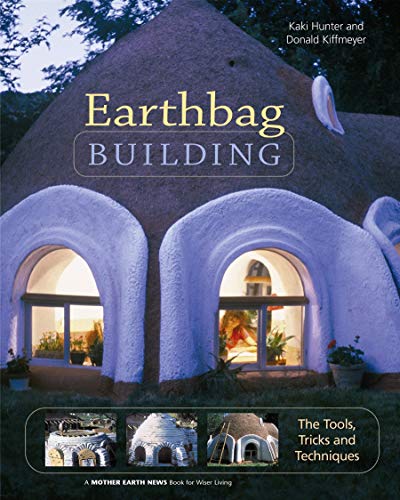
Earthbag Building: The Tools, Tricks and Techniques (Mother Earth News Wiser Living Series, 8)
As an affiliate, we earn on qualifying purchases.
As an affiliate, we earn on qualifying purchases.
Frequently Asked Questions
How Long Does an Earthbag Root Cellar Typically Last?
Earthbag root cellars usually last 50-100 years, depending on durability factors like material quality and construction. You can extend their lifespan with proper maintenance tips, such as inspecting for leaks, reinforcing the walls, and ensuring good drainage. Regular upkeep prevents deterioration from moisture and pests, helping your cellar stay functional and safe for decades. Proper design and maintenance are key to maximizing your earthbag root cellar’s longevity.
Can an Earthbag Root Cellar Be Built in Rocky Soil?
You can build an earthbag root cellar in rocky terrain, but excavation challenges might arise. The rocky soil can make digging more difficult and may require specialized tools or techniques. You’ll need to carefully assess the site to determine if extra reinforcement or excavation adjustments are necessary. With proper planning and tools, you can successfully construct your earthbag root cellar even on challenging rocky terrain.
What Are the Best Insulation Options for Earthbag Cellars?
Your question about insulation options is essential because a well-insulated cellar can be as important as a fortress. You should use natural insulation materials like straw bales or recycled denim for affordability and eco-friendliness. Incorporate moisture barriers to prevent dampness, which can ruin stored food. Combining these options keeps your cellar cool in summer and warm in winter, ensuring your harvest stays fresh and safe—truly a game-changer for any gardener.
Is a Drainage System Necessary for Earthbag Root Cellars?
You should consider drainage needs carefully for your earthbag root cellar to prevent moisture buildup. A proper drainage system helps with moisture control, reducing the risk of mold and structural damage. Without good drainage, excess water can compromise your cellar’s stability and insulation. Installing gravel or a drainage pipe around the foundation is a simple, effective way to manage water and keep your root cellar dry and functional.
How Do I Prevent Moisture Issues in an Earthbag Cellar?
Think of moisture issues like rain seeping into a treasure chest; you want to keep your valuables dry. To prevent this, install moisture barriers like plastic sheeting and seal gaps carefully. Use effective ventilation strategies to circulate air and reduce humidity. These steps help keep your earthbag cellar dry, preserving its stability and preventing mold. Staying proactive guarantees your cellar remains a safe, dry storage space for years to come.
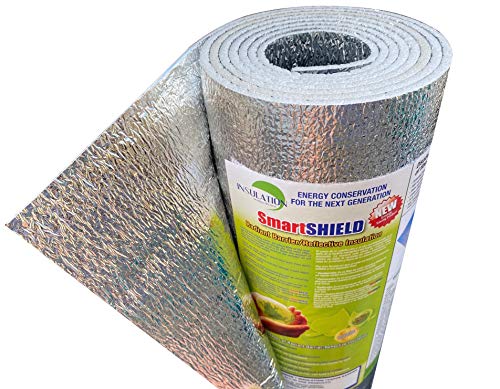
INSULATION MARKETPLACE SmartSHIELD -3mm 16inx10Ft ReflectiveINSULATION roll, Foam Core Radiant Barrier, ThermalINSULATION Shield – Engineered Foil
EXTREMELY EFFECTIVE – reflect 95% of radiant energy, perfect RADIANT BARRIER.
As an affiliate, we earn on qualifying purchases.
As an affiliate, we earn on qualifying purchases.
Conclusion
Building a root cellar with earthbags proves you don’t need luxury to preserve food effectively. While the materials are simple and inexpensive, the result offers a sturdy, natural sanctuary for your harvest. It’s a reminder that sometimes, the most basic tools create the most lasting impact. In a world obsessed with excess, your humble earthbag cellar shows that true sustainability comes from ingenuity and patience—proof that simplicity is often the greatest luxury.

Eco-Friendly Materials for Civil Construction: Utilization and Advantages
As an affiliate, we earn on qualifying purchases.
As an affiliate, we earn on qualifying purchases.

Outdoor Basement Cellar Door Cover, Roof Access Hatch Hardware With Screws, Patio/Pergola/Cellar Door Weather Covers Attic Access Door Ceiling,65x65cm/25.6×25.6inch
〼↕【Roof Skylight Kit】This skylight cover is made of high-quality aluminum alloy, with strong load-bearing capacity and light weight….
As an affiliate, we earn on qualifying purchases.
As an affiliate, we earn on qualifying purchases.