Finding the right espresso machine comes down to one big tradeoff: convenience versus control. Fully automatic machines like the De’Longhi Magnifica Duo handle grinding, dosing, and brewing at the push of a button, while semi-automatic models like the Breville Barista Express reward you with better shots if you’re willing to learn the technique. For most home baristas, the Barista Express hits the sweet spot by combining a built-in grinder with hands-on brewing at a mid-range price. Budget shoppers get surprisingly capable shots from compact 20-bar machines like the CASABREWS CM5418, and the Ninja Luxe Café suits households that want espresso, drip coffee, and cold brew in one footprint. Read on for the full breakdown of all 15 machines and which one fits your kitchen, budget, and morning routine.

Get furniture and decor delivered free with Prime
- Fast, free delivery on millions of items
- Prime Video, Amazon Music and more included
- Member-only deals all year
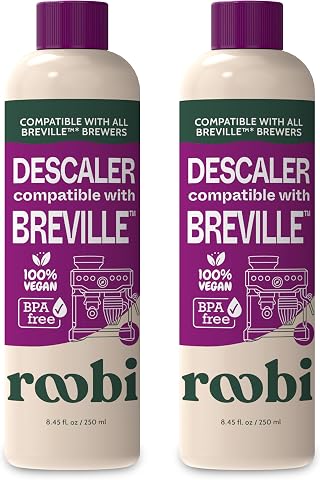
Complete the kit


Key Takeaways
- The Breville Barista Express earned the top spot because it’s the only mid-priced machine here pairing a built-in conical burr grinder with precise temperature control — the two factors that most directly improve shot quality.
- Compact 20-bar machines (CASABREWS CM5418, Atatix, Neretva) all pull drinkable shots, but they diverge sharply on steam wand power and build quality, which separates daily latte makers from occasional espresso drinkers.
- If you want café drinks without learning technique, the De’Longhi Magnifica Duo automatic is the strongest pick — but you give up the fine-tuned control that semi-automatics like the Barista Express and HibreW H10B provide.
- The Breville Bambino is the clear choice for small countertops and fast heat-up, but its lack of a grinder means budgeting extra for a separate one.
- Multi-function machines like the Ninja Luxe Café trade peak espresso quality for versatility — a worthwhile deal for households, a poor one for espresso purists.




| espresso machine | Pressure | Power | Water Tank Capacity |
|---|---|---|---|
| Chulux Elite Espresso Machine | 20 bar | 1350W | — |
| Espresso Machine with Grinder | 20 bar | 1350W | 61 oz |
| Aromaster 1400W Espresso Machi | — | 1400W | 37 oz |
| Ninja Luxe Café Premier 3-in-1 | — | — | — |
| HibreW H10B Programmable Espre | 20 bar | — | — |
| 20 Bar Espresso Machine with M | 20 Bar | 1450W | 34 oz |
| CASABREWS CM5418 Compact Espre | 20 bar | 1350 watts | 34 oz (removable) |
| Breville BES870XL Barista Expr | — | 1600 Watts | 67 oz |
| Atatix Espresso Machine with M | 20 Bar | — | 44 oz (removable) |
| De’Longhi Magnifica Duo Automa | — | — | — |
| CASABREWS 3700 Essential Stain | 20 bar | — | 43.9 oz (removable) |
| Breville Bambino Espresso Mach | — | 1560 W | — |
| AMZCHEF Espresso Machine with | — | — | 60 oz |
| Neretva Espresso Machine 20 Ba | 20 bar | 1350 W | — |
| Arecovas Espresso Machine with | 20 bar | 1300 watts | 1.2 L (41 oz), removable |
More Details on Our Top Picks
Chulux Elite Espresso Machine for Latte, Americano, and Iced Coffee, Silver
This option stands out for one reason most entry-level espresso makers can’t match: it handles hot espresso, iced drinks, and true cold brew from a single compact unit. Where the Aromaster sticks strictly to hot brewing, the Chulux opens up a full drink menu for households that shift with the seasons. The PID temperature control and visible pressure gauge give you feedback most machines at this size omit, and the steam wand pulls its weight for microfoam and latte art.
The tradeoffs are real, though. The 40 oz tank is smaller than the Aromaster’s 37 oz sounds close but runs dry faster with iced and cold brew recipes that use more water, and the 25-minute auto shut-off can cut short extended brewing sessions. Compared with the HibreW H10B, the preset options are friendlier, but true beginners may face a short learning curve.
Pros:- Brews hot, iced, and cold brew drinks from one machine
- PID temperature control and visible pressure gauge for repeatable shots
- Professional-grade steam wand capable of latte-art microfoam
- Compact footprint with removable, easy-clean parts
Cons:- Small water tank requires frequent refilling
- Preset system has a learning curve for absolute beginners
- Auto shut-off after 25 minutes interrupts longer brewing sessions
Best for: Iced coffee and cold brew fans who still want hot espresso and latte capability in one compact machine
Not ideal for: High-volume households — the 40 oz tank needs frequent refills, especially for cold brew
- Pressure:20 bar
- Power:1350W
- Tank Capacity:40 oz
- Finish:Brushed Stainless Steel
- Temperature Control:PID
- Key Features:Visible pressure gauge, pre-infusion, hot/iced/cold brew presets
- Steam Wand:Yes, microfoam capable
Our verdict“This pick makes the most sense for drinkers who want iced and cold brew options alongside real espresso without buying a second machine.”
Espresso Machine with Grinder, 20-Bar Compact Espresso Maker with Steam Milk Frother (Black)
Grinding fresh is the single biggest upgrade any espresso setup can make, and this machine bundles a built-in conical burr grinder with 20 adjustable settings at a price point where the Breville Barista Express usually sits alone. The 61 oz water tank is the largest in this batch of five, meaning fewer refills than the Chulux or Aromaster during busy mornings. The LED touchscreen keeps drink selection simple once you’ve learned the layout.
That said, fresh-ground convenience comes with friction. The grinder adds cleaning steps that pod-style or pre-ground machines like the HibreW H10B avoid entirely, and the sparse documentation around maintenance may leave new owners guessing. Complete beginners might feel overwhelmed; it’s better suited to someone willing to learn dialing in a grind than someone who wants push-button espresso.
Pros:- Built-in conical burr grinder with 20 settings for fresh grounds every shot
- Large 61 oz water tank reduces refill frequency
- Intuitive LED touchscreen interface
- All-in-one design saves counter space versus separate grinder and machine
Cons:- Grinder maintenance adds routine cleaning work
- Limited included guidance on cleaning and upkeep
- Footprint is larger than compact pre-ground-only machines
Best for: Budget-conscious buyers who want bean-to-cup espresso without paying Breville Barista Express prices
Not ideal for: Set-and-forget users — the grinder requires regular cleaning and grind calibration
- Pressure:20 bar
- Power:1350W
- Water Tank Capacity:61 oz
- Grinder:Built-in conical, stainless steel
- Grind Settings:20 adjustable levels
- Interface:Full LED touchscreen
- Color:Black
Our verdict“The smartest way to get fresh-ground espresso on a budget, provided you’re willing to maintain the grinder and learn the basics of dialing in.”
Aromaster 1400W Espresso Machine with Milk Frother
Where the grinder-equipped machines in this roundup demand regular upkeep, the Aromaster doubles down on hassle-free maintenance. The one-touch descaling function and anti-dry-burn protection handle the two chores espresso owners most often neglect, and the removable 37 oz tank rinses out in seconds. The 360° swivel steam wand is a genuine step up from fixed wands, giving you better pitcher positioning for microfoam than the HibreW’s setup.
Compared with the Chulux Elite, you lose iced and cold brew modes but gain a slightly more focused, traditional espresso workflow. The real tradeoff is that semi-automatic operation puts the work on you — grinding separately, tamping, timing shots. There’s no grinder here, so anyone wanting bean-to-cup convenience should step up to the 20-bar grinder combo instead. But for buyers who already own a grinder, this is the least-fuss path to solid shots.
Pros:- One-touch descaling and anti-dry-burn protection simplify long-term care
- 360° swivel steam wand offers better frothing control than fixed wands
- PID and NTC temperature control for stable extraction
- Removable tank and cup warmer round out everyday convenience
Cons:- Semi-automatic operation requires hands-on involvement every shot
- No built-in grinder
- Smaller feature set than multi-function rivals like the Ninja Luxe Café
Best for: Buyers who already own a grinder and want a low-maintenance machine with self-descaling
Not ideal for: Anyone wanting bean-to-cup automation — there’s no grinder, so you’ll need separate equipment
- Power:1400W
- Pump Pressure:20 bar
- Operation Mode:Semi-automatic
- Water Tank Capacity:37 oz
- Steam Wand:360° swivel
- Temperature Control:PID and NTC
- Special Features:Pre-infusion, one-touch descaling, auto shut-off, cup warmer
- Dimensions:13 × 7 × 14 in
Our verdict“The low-maintenance choice for traditionalists who already grind their own beans and just want reliable, easy-to-care-for espresso.”
Ninja Luxe Café Premier 3-in-1 Espresso Machine, Drip Coffee, & Cold Brew Maker
This is the machine that answers the question most beginners can’t: what am I doing wrong? The Barista Assist Technology walks you through grinding, weight-based dosing, assisted tamping, and live temperature and pressure feedback — the exact skills the HibreW and Aromaster expect you to already have. Add a 25-setting conical burr grinder and a hands-free dual froth system with four presets, and it replaces three appliances: espresso machine, drip brewer, and cold brew maker.
Even the Chulux, the other iced-drink option here, can’t match the Ninja’s rapid cold brew or drip coffee modes. The cost is counter space and complexity: this is the largest machine in this lineup, and casual drinkers who only pull one espresso a day are paying for features they’ll never touch. If your household drinks a mix of espresso, drip, and cold brew, nothing else here covers that spread.
Pros:- Barista Assist guides grinding, dosing, tamping, and live pressure/temperature
- True 3-in-1 versatility: espresso, drip coffee, and rapid cold brew
- 25-setting conical burr grinder built in
- Hands-free dual froth system with steamed, thin, thick, and cold foam presets
Cons:- Large footprint consumes significant countertop space
- Premium feature set exceeds what casual espresso drinkers need
- More components to clean than simpler machines
Best for: Beginners and multi-drinker households who want guided, café-quality espresso, drip, and cold brew from one machine
Not ideal for: Small kitchens or single-drink espresso purists — the footprint and feature set are overkill
- Brew Types:Espresso, drip coffee, rapid cold brew
- Espresso Sizes:Double or quad shot
- Drip Coffee Sizes:6–18 oz (Classic, Rich, Over Ice)
- Grinder:Built-in conical burr, 25 settings
- Water Reservoir:70 oz removable
- Frothing:Dual Froth System, 4 presets
- Guide Technology:Barista Assist with weight-based dosing and assisted tamping
- Included Accessories:Portafilter, milk jug, tamper, cleaning kit, descaling supplies
Our verdict“The best pick for anyone learning espresso who also wants drip and cold brew — as long as counter space isn’t tight.”
HibreW H10B Programmable Espresso Machine with LED Display & Pressure Gauge
If counter space is your deciding factor, this is the leanest machine in the batch. The stainless steel body keeps a genuinely small footprint, yet the LED display and real-time pressure gauge deliver feedback you’d normally find on larger machines — a step above the CASABREWS and Neretva compacts elsewhere in this roundup. Customizable brewing parameters with an adjustable 194°F–204°F temperature range let you fine-tune extraction to your beans, and the bundled accessory kit means you can brew the moment it’s unboxed.
The compromise is capability. It’s pre-ground only, so bean-to-cup buyers should look at the grinder combo or the Ninja Luxe Café instead. And while programmability sounds advanced, the tuning ceiling is modest — hobbyists chasing the control of a Breville Barista Express will hit its limits quickly. For small kitchens and first machines, though, the balance is hard to beat.
Pros:- Space-saving stainless steel design fits tight countertops
- LED display with real-time pressure monitoring
- Customizable temperature (194°F–204°F) and brewing parameters
- Complete accessory kit included out of the box
Cons:- Pre-ground coffee only, no grinder built in
- Customization ceiling too low for experienced home baristas
Best for: Apartment dwellers and first-time espresso buyers who want pressure feedback without giving up counter space
Not ideal for: Fresh-bean purists and advanced hobbyists — no grinder and limited deep customization
- Pressure:20 bar
- Material:Stainless Steel
- Display:LED digital with pressure gauge
- Temperature Range:194°F–204°F
- Steam Temperature:257°F–302°F
- Portafilter Size:51mm
- Milk Frother:Included
- Warranty:1 year
Our verdict“The compact pick that trades grinder convenience and advanced control for a small footprint and useful pressure feedback.”
20 Bar Espresso Machine with Milk Frother, Compact Stainless Steel Coffee Maker, 34oz Water Tank
At just 5.3 inches wide, this machine is the narrowest option in this lineup, and that alone defines its appeal. Where the Breville Barista Express demands a serious slice of counter real estate, this model slips beside a toaster without a fight. The 20-bar pump and 1450W fast-heating system mean you are not waiting around for your morning shot, and the steam wand produces respectable microfoam for a machine in this footprint class.
The tradeoffs are real, though. The 34 oz tank needs refilling if you pull shots for more than two people, and you cannot brew immediately after frothing without triggering the overheat protection. Compared with the Atatix machine’s 44 oz tank, this one is clearly built for solo or couple use, not a household of coffee drinkers.
Pros:- Extremely narrow 5.3-inch footprint fits almost anywhere
- 1450W heating system reaches brewing temperature quickly
- Steam wand textures genuine microfoam despite the compact size
- Sleek stainless steel build looks more expensive than typical compact machines
Cons:- 34 oz tank requires frequent refilling for multi-person use
- Cannot brew right after frothing without risking overheat shutoff
Best for: Apartment dwellers or office desk users with tight counter space who want real espresso without sacrificing square footage
Not ideal for: Households brewing multiple milk drinks back-to-back — the small tank and cooldown period after frothing make batch drinks tedious
- Pressure:20 Bar
- Water Tank Capacity:34 oz
- Power:1450W
- Dimensions:5.3 x 12.2 x 11.5 inches
- Material:Stainless Steel
- Steam Wand:Yes, manual microfoam
Our verdict“This is the pick when counter space is your scarcest resource and you mostly make one or two drinks a day.”
CASABREWS CM5418 Compact Espresso Machine with Milk Frothing Steam Wand
The CM5418 earns its spot by nailing the fundamentals of semi-automatic espresso without padding the price with features you may never touch. Its Italian 20-bar pump and 1350W boiler deliver extraction quality that stands up well against pricier machines in this roundup — the difference versus the Breville Barista Express is not the shot itself but the workflow: no grinder, no PID display, no dose trimming tools.
What you do get is a complete starter kit — single and double shot filters, tamper with spoon, and a detachable 34 oz tank — which many budget machines omit. The catch is that results depend heavily on your technique. Dialing in grind size and tamping pressure takes practice, and like the 20 Bar compact machine above, it needs a cooldown between frothing and brewing. This option rewards effort; it does not hand you consistency for free.
Pros:- Italian-made 20-bar pump delivers genuinely rich extraction for the price
- Complete accessory kit including single/double filters and tamper
- Compact stainless steel body suits kitchens of any size
- Detachable 34 oz tank simplifies refilling and cleaning
Cons:- Requires grinding and tamping skill to reach proper pressure
- Cooldown period needed between frothing milk and brewing
Best for: Hands-on beginners who want to learn barista skills and already own (or plan to buy) a separate grinder
Not ideal for: Buyers wanting push-button consistency — the learning curve and manual dial-in process will frustrate anyone who just wants a quick latte
- Model:CM5418
- Pressure:20 bar
- Power:1350 watts
- Water Tank Capacity:34 oz (removable)
- Material:Stainless steel
- Operation Mode:Semi-automatic
- Included Accessories:Portafilter, single & double shot filters, tamper with spoon, manual
Our verdict“The smartest entry point for anyone willing to learn the craft, as long as you budget for a separate burr grinder.”
Breville BES870XL Barista Express Espresso Machine, Brushed Stainless Steel
This is the machine that bridges the gap between budget semi-automatics and full automation. Its integrated conical burr grinder doses fresh grounds straight into the portafilter — beans to espresso in under a minute — which is the single biggest quality jump over the CASABREWS CM5418, where grind freshness depends entirely on your separate setup. Add digital PID temperature control and low-pressure pre-infusion, and extraction becomes far more repeatable than any grinder-less machine here can manage.
But this is a commitment machine. The footprint is substantially larger than the compact picks in this roundup, the manual workflow carries a real learning curve, and cleaning the grinder and group head is a recurring chore. Compared with the De’Longhi Magnifica Duo, you trade one-touch convenience for greater control over every variable — a trade serious hobbyists will happily make and busy households may regret.
Pros:- Integrated conical burr grinder guarantees fresh grounds for every shot
- PID temperature control and pre-infusion produce balanced, repeatable extraction
- Powerful steam wand suitable for latte art
- Exceptional accessory bundle including milk jug, trimming tool, and cleaning kit
Cons:- Meaningful learning curve on grind size and dose for new users
- Regular cleaning and maintenance required to keep it performing
- Large footprint consumes considerable counter space
Best for: Coffee enthusiasts ready to graduate from pre-ground espresso and take control of grinding, dosing, and extraction
Not ideal for: Beginners who want zero technique involved, or small kitchens — the large footprint and maintenance demands outweigh the benefits for casual users
- Power:1600 Watts
- Voltage:120 Volts
- Bean Hopper Capacity:1/2 lb
- Water Tank Capacity:67 oz
- Portafilter:54mm Stainless Steel
- Grinder:Integrated Conical Burr
- Temperature Control:Digital PID
- Warranty:1 Year Limited
Our verdict“The best choice if you want café-level control and freshness in one machine and are willing to put in the practice to earn it.”
Atatix Espresso Machine with Milk Frother, 20 Bar Pressure, 44 oz Removable Tank
The Atatix carves out its niche as the no-fuss middle ground of the compact machines here. Its standout advantage over the 20 Bar compact pick is the larger 44 oz removable tank — roughly 30 percent more water — which matters if you make several drinks in a row or hate refilling mid-week. Like the CASABREWS, it leans on a professional 20-bar pressure system for full-bodied shots and a steam wand for dense foam across lattes, cappuccinos, and macchiatos.
What holds it back from a higher rank is transparency. With dimensions and weight unspecified, you are buying somewhat blind on fit, and the manual extraction means shot quality varies with your skill. It also lacks a grinder, so unlike the Breville Barista Express, freshness depends on pre-ground coffee or a separate setup. For a straightforward drinks-for-guests machine, though, the tank size and easy cleanup hit the mark.
Pros:- 44 oz tank is the largest among the compact picks in this lineup
- 20-bar pressure delivers rich, authentic espresso shots
- Handles lattes, cappuccinos, and macchiatos with dense steamed foam
- Detachable tank and drip tray make cleanup simple
Cons:- No published dimensions or weight details before purchase
- Manual extraction quality depends on user technique
- No built-in grinder means pre-ground or separate equipment
Best for: Casual drinkers and hosts who want a bigger tank for serving multiple espresso-based drinks without constant refills
Not ideal for: Detail-oriented buyers — the lack of published dimensions, weight, and finer specs makes comparison shopping and space planning difficult
- Pressure:20 Bar
- Water Tank Capacity:44 oz (removable)
- Material:ABS and stainless steel
- Color:Silver
- Steam Wand:Yes, manual milk frother
- Drink Types:Espresso, latte, cappuccino, macchiato
Our verdict“A sensible choice when tank capacity and easy cleanup matter more than detailed specs and grinding control.”
De’Longhi Magnifica Duo Automatic Espresso Machine with Milk Frother, Silver
The Magnifica Duo sits at the opposite end of the effort spectrum from the CASABREWS CM5418 and Breville Barista Express. With 20 preset hot and iced recipes, it makes espresso, drip coffee, iced lattes, and cold brew at the press of a button — no tamping, no dialing in, no technique required. Its Cold Extraction Technology produces cold brew in under three minutes, a capability no other machine in this roundup matches, and the LatteCrema Hot and Cool system handles both dairy and plant-based milks.
The removable, dishwasher-safe frother is a genuine quality-of-life advantage over manual steam wands, which demand rinsing and wiping after every use. On the flip side, you sacrifice the hands-on control that makes semi-automatics appealing to hobbyists, the machine is large on the counter, and like all bean-to-cup automatics it needs regular descaling and maintenance. This model makes sense for households that prioritize convenience over craft.
Pros:- 20 one-touch recipes cover hot and iced drinks for varied tastes
- Cold brew in under 3 minutes with Cold Extraction Technology
- LatteCrema system froths dairy and plant-based milks hot or cold
- Removable, dishwasher-safe frother dramatically simplifies cleanup
Cons:- Substantial counter footprint compared with compact picks
- Regular descaling and maintenance required like all automatic machines
Best for: Busy households and mixed-preference families who want hot and iced drinks for everyone with zero barista skills required
Not ideal for: Espresso enthusiasts who enjoy the hands-on process — there is no portafilter workflow here, and tweaking extraction variables is largely off the table
- Brand:De’Longhi
- Model:Magnifica Duo
- Drink Recipes:20 preset hot & iced recipes
- Milk Frother:LatteCrema Hot and Cool (removable, dishwasher-safe)
- Grinder:Integrated conical burr grinder
- Cold Brew Time:Under 3 minutes
- Brewing Technologies:Espresso, drip coffee, cold brew
Our verdict“The pick for maximum drink variety with minimum effort — ideal for families, wrong for tinkerers.”
CASABREWS 3700 Essential Stainless Steel Espresso Machine with Steam Wand
This CASABREWS model stands out as the most straightforward entry point into manual espresso preparation in this lineup. Where the AMZCHEF with Grinder piles on 44 grind settings and a touchscreen, the 3700 Essential strips things back to the fundamentals: a 20-bar pump, a genuinely capable steam wand, and simple button controls. That simplicity is the point — a beginner learning to dial in a shot has fewer variables to fight. The 43.9 oz removable tank is generous for a machine this compact, meaning fewer refill interruptions during a morning of back-to-back lattes. Compared with the Breville Bambino, the tradeoff is clear: no PID temperature control and no three-second heat-up, so expect a longer wait and a steeper learning curve on consistency. The included tamper-with-spoon accessory is serviceable but basic.
Pros:- Professional 20-bar pump delivers solid extraction for the price class
- Steam wand produces genuine micro-foam suitable for latte art
- Large 43.9 oz removable tank reduces refill frequency
- Compact footprint fits small countertops
Cons:- No PID temperature control, so brewing consistency varies with skill
- Steam wand demands cleaning after every use or performance degrades
- Plastic tamper accessory is a weak point for serious technique
Best for: First-time home baristas who want to learn manual espresso skills without an intimidating feature set
Not ideal for: Buyers who want push-button consistency — the lack of PID control means shot quality depends heavily on technique
- Operation Mode:Semi-Automatic
- Pressure:20 bar
- Wattage:1350 watts
- Water Tank Capacity:43.9 oz (removable)
- Material:Stainless steel
- Controls:Buttons
- Included Accessories:One- and two-cup filters, portafilter, tamper with spoon
Our verdict“This pick makes the most sense for someone who wants to learn the craft of espresso cheaply and doesn’t mind inconsistent shots while improving.”
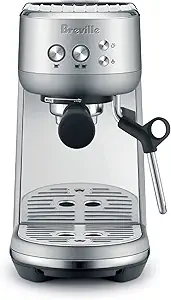
Breville Bambino Espresso Machine, Brushed Stainless Steel (BES450BSS)
The Breville Bambino earns the top spot because it solves the two problems that frustrate most home espresso drinkers: waiting and inconsistency. Its ThermoJet heating system reaches extraction temperature in about three seconds — while the CASABREWS 3700 and Arecovas are still warming their boilers, the Bambino is already pulling a shot. The digital PID controller holds temperature steady, which is why its shots taste repeatable in a way the 20-bar budget machines in this roundup rarely manage. The steam wand textures milk into real microfoam rather than the large-bubble froth common at this size. The compromises are real, though: it accepts pre-ground coffee only (no grinder), the drip tray is small, and it’s limited to one- or two-cup programming. Compared with the Breville Barista Express, you give up the built-in grinder but gain counter space and speed.
Pros:- Three-second heat-up eliminates the morning wait entirely
- PID temperature control plus low-pressure pre-infusion produces even, repeatable extraction
- Genuine microfoam steam wand for café-quality milk drinks
- Compact enough for apartments and small kitchens
Cons:- No built-in grinder means an extra appliance and expense
- Small drip tray and limited 1- or 2-cup presets restrict flexibility
Best for: Daily espresso and milk-drink drinkers who value speed, consistency, and quality in a compact footprint
Not ideal for: Coffee drinkers who want to grind fresh from whole beans — there’s no grinder, so a separate purchase is required
- Heating System:ThermoJet
- Heat-Up Time:3 seconds
- Temperature Control:Digital PID
- Portafilter Size:54 mm
- Power:1560 W
- Settings:1 cup, 2 cups, hot water, steam
- Warranty:1-year limited
Our verdict“If you want the most reliable café-quality espresso from a compact machine and already own (or will buy) a grinder, the Bambino is the strongest all-around choice here.”
AMZCHEF Espresso Machine with Grinder and Temperature Control
This AMZCHEF model is the standout pick for buyers who want grinding and brewing in one machine without stepping up to the price of the Breville Barista Express. The integrated grinder with 44 grind settings is the key differentiator — unlike the CASABREWS 3700 or Arecovas, which depend entirely on pre-ground coffee, this machine lets you dial in freshness shot by shot, which is the single biggest lever on espresso flavor. The adjustable brew temperature (190°F–201°F) and touchscreen add genuine control, and the 60 oz tank is the largest in this batch, cutting refill chores noticeably. The cold brew mode is a curiosity — the marketing claims minutes rather than hours, but details are thin, so I’d treat it as a bonus rather than a buying reason. Build quality and long-term grinder durability are less proven than Breville’s track record.
Pros:- Built-in grinder with 44 settings enables shot-by-shot freshness
- Adjustable brewing temperature gives real extraction control
- 60 oz water tank is the largest in this batch
- Touchscreen with one-touch brewing keeps operation simple despite the flexibility
Cons:- Grinder and machine build have a shorter track record than established brands
- Cold brew mode lacks documentation on how the fast process actually works
Best for: Buyers who want fresh-ground espresso from a single machine at a lower price than premium all-in-ones
Not ideal for: Purists who want proven temperature stability — the 190°F–201°F ceiling may run cooler than some roasts prefer
- Temperature Control:190°F–201°F
- Grind Settings:44
- Water Tank Capacity:60 oz
- Steam Wand:8 mm stainless steel
- Heating System:1350 W
- Display:IMD HD touch screen
- Brewing Modes:Espresso, cold brew
Our verdict“This is the smart pick for anyone who wants the grind-and-brew workflow of a premium all-in-one at a mid-range price, provided they accept a newer brand’s reliability question marks.”
Neretva Espresso Machine 20 Bar, Compact Stainless Steel Coffee Maker with LED Display
The Neretva occupies a specific niche: it’s for the buyer who has outgrown a basic machine like the CASABREWS CM5418 but isn’t ready to commit to the Breville Bambino’s price. Its combination of pre-infusion, temperature control, and a 20-bar pump gives you more levers to pull than most machines in this batch — pre-infusion in particular helps even out extraction when your grind isn’t perfect, something the simpler 20-bar units lack. The LED display makes settings visible at a glance rather than guessed at. The catch is that all those levers cut both ways: this model asks more of the operator than a one-button machine, and the undisclosed water reservoir capacity is an odd omission that makes planning harder. Operation can also be loud compared with thermo-block rivals.
Pros:- Pre-infusion smooths out extraction with imperfectly ground coffee
- Precise temperature control supports dialed-in brewing
- Durable compact stainless steel construction
- LED display makes settings easy to read and adjust
Cons:- Feature depth creates a learning curve beginners may find frustrating
- Water reservoir capacity isn’t specified, complicating comparisons
- Potentially noisy during brewing and steaming
Best for: Hobbyist home baristas who enjoy experimenting with pre-infusion and temperature variables to refine their shots
Not ideal for: Set-and-forget drinkers — the feature set adds complexity without automation to compensate
- Pressure:20 bar
- Power:1350 W
- Material:Stainless steel
- Display:LED
- Features:Pre-infusion, temperature control, steam wand
- Size:Compact
Our verdict“Choose the Neretva if you see espresso-making as a hobby to iterate on; skip it if you just want a reliable morning shot with minimal fuss.”
Arecovas Espresso Machine with Touchscreen and Milk Frother
The Arecovas carves out a role none of the other budget machines in this roundup claim: it’s the compact option that takes Americanos seriously, with a dedicated mode producing up to 350 ml of output — the Neretva and CASABREWS 3700 are built purely around short shots and steamed milk. Its real-time pressure gauge on the LED display is a genuinely useful teaching tool, showing whether your tamping and grind are in the right zone, which most machines at this size don’t offer. The PID control with dual NTC sensors (±2°C) brings temperature stability the CASABREWS can’t match, though the Breville Bambino still holds a wider feature edge. The 1.2 L tank is the main squeeze — fine for one or two people, but a household of three cappuccino drinkers will refill it constantly.
Pros:- Dedicated Americano mode outputs up to 350 ml for long-black drinkers
- Real-time pressure gauge helps diagnose grind and tamp problems
- PID control with dual NTC sensors keeps temperature within ±2°C
- Slim 5.2-inch-wide footprint fits tight counters
Cons:- Compact 1.2 L tank needs frequent refilling for multi-person use
- Ground coffee and manual portafilter workflow demands some skill
Best for: Americano and black-coffee drinkers in small households who want shot feedback via the pressure gauge
Not ideal for: Households making multiple milk drinks daily — the 41 oz tank and compact boiler slow down back-to-back sessions
- Type:Semi-automatic espresso machine
- Pressure:20 bar
- Power:1300 watts
- Controls:Touchscreen with LED display and real-time pressure gauge
- Temperature Control:PID with dual NTC sensors, ±2°C
- Water Tank Capacity:1.2 L (41 oz), removable
- Brewing Options:Single shot, double shot, Americano (up to 350 ml)
- Dimensions:12 × 5.2 × 11.9 in (D × W × H)
Our verdict“This model makes the most sense for solo or couple Americano drinkers who want visual shot feedback in a slim machine — larger households should look at bigger-tank rivals.”

How We Picked
I evaluated each machine against the factors that actually shape your daily experience: shot quality consistency, grinder integration, steam wand performance, heat-up time, footprint, and ease of maintenance. Shot quality carried the most weight because a machine that produces bitter or sour shots undermines everything else. Machines with built-in burr grinders ranked higher than equivalent grinder-less models, since pre-ground coffee goes stale fast and caps your ceiling regardless of the machine’s pressure rating.
From there, I ranked by buyer fit rather than raw feature counts. A 20-bar pump rating appears on most of these machines, but pressure alone doesn’t make good espresso — temperature stability and grind quality matter more, which is why the Breville and De’Longhi models sit above cheaper 20-bar competitors despite similar specs on paper. Budget machines were judged on whether they deliver honest value, not on whether they match premium features. The final order reflects a simple question: for its price, does this machine make the drinks you actually want to drink every day?
Factors to Consider When Choosing Espresso Machines
Before picking a machine, it helps to understand what drives price differences and which features matter for the drinks you actually make. These are the factors that separated the winners from the also-rans in this lineup.Semi-Automatic vs. Automatic vs. Capsule-Style Convenience
The biggest fork in the road is how much work you want to do. Semi-automatic machines — most of this lineup — let you control grind, dose, and extraction, which means better coffee once you learn the basics but a steeper first week. Fully automatic machines like the De’Longhi Magnifica Duo grind, tamp, and brew with one press, trading hands-on refinement for speed and consistency. A common mistake is buying an automatic when you actually enjoy the ritual, or buying a semi-automatic when you only want fast caffeine — both lead to regret. Match the machine type to your personality, not the spec sheet. If you currently visit a café mostly for lattes and want to replicate that at home with zero learning curve, automatic is worth the premium. If you’ve watched brewing videos for fun, semi-automatic will keep you happier long-term.
The Grinder Matters More Than the Machine
The single most common mistake I see is buyers spending their whole budget on the machine and using pre-ground coffee. Espresso requires a fine, consistent grind that goes stale within hours of grinding, so pre-ground bags will never produce the shots your machine is capable of. Machines with built-in grinders — the Breville Barista Express, the AMZCHEF, and the generic grinder combo units here — solve this in one purchase, though built-in grinders are usually adequate rather than excellent. A separate burr grinder costs extra upfront but outperforms most integrated ones and survives future machine upgrades. My rule of thumb: budget roughly a third of your total spend on grinding, whether integrated or standalone. If that’s not possible, prioritize a built-in grinder over other niceties like LED displays or touchscreens.
Steam Wand Power and Milk-Drink Workflow
If lattes and cappuccinos are your goal, the steam wand is where cheap machines cut corners. Basic wands on entry-level models produce bubbly, thin foam rather than the silky microfoam needed for latte art, and single-boiler machines force you to wait between pulling a shot and steaming milk. Dual-boiler or heat-exchanger designs eliminate that wait but cost considerably more. Pay attention to wand articulation too — a wand that only moves in a narrow range makes finding the right frothing angle frustrating. In this lineup, the Breville Bambino stands out for genuine microfoam capability despite its small size, while several budget models steam milk adequately but without much texture. Households making multiple milk drinks back-to-back should weight steam recovery time heavily; solo espresso drinkers can ignore it entirely.
Temperature Stability and Heat-Up Time
Temperature stability is the invisible spec that separates great machines from frustrating ones. Espresso extracts properly in a narrow band around 90–96°C, and machines that fluctuate produce shots that swing between sour and bitter no matter how well you dial in your grind. Thermoblock heaters, common in compact machines, heat fast but hold temperature less evenly than the thermocoil and PID-controlled systems in pricier models like the Breville units. Heat-up time matters for your routine too — the Bambino reaches brewing temperature in seconds, while single-boiler machines can take a minute or more before the first shot. If you brew once each morning, a longer heat-up is a minor annoyance. If you make drinks throughout the day or for guests, fast recovery becomes a daily quality-of-life feature worth paying for.
Counter Space, Water Tank Size, and Maintenance
Measure your counter before buying — this is the category where returns happen most. Compact machines like the CASABREWS CM5418 and Neretva fit under cabinets and in small apartments, but their smaller water tanks mean refilling daily and their drip trays fill fast. Larger machines with 40+ ounce tanks, like the Atatix, reduce refill frequency but demand serious counter real estate. Maintenance load also scales with complexity: built-in grinders need regular cleaning, automatic machines require descaling cycles and brew-group rinsing, and steam wands must be wiped and purged after every use or milk residue ruins them. Read the descaling requirements before you buy, since some machines demand proprietary descaler solutions that add to lifetime cost. A machine you’ll actually clean consistently beats a fancier one you neglect.
Frequently Asked Questions
Is a 20-bar pressure machine actually better than a 15-bar or 9-bar one?
Mostly marketing, no. Espresso extracts best at around 9 bars of pressure at the puck, and every machine in this category can exceed that — the higher number refers to maximum pump pressure, not what actually reaches your coffee. What matters more is whether the machine can hold that pressure steadily through a 25–30 second extraction, which depends on build quality and temperature stability, not the number printed on the box. That’s why the Breville models outperform budget 20-bar machines despite identical-sounding specs. When comparing machines, ignore the bar count and look at temperature control, grinder quality, and user reports on shot consistency instead.
Should I buy a machine with a built-in grinder or get them separately?
A built-in grinder makes sense if you’re starting from zero and want one purchase under, say, $700 total — the Breville Barista Express is the strongest example because its grinder is genuinely dial-in-able. The tradeoff is that integrated grinders are usually the weakest part of an otherwise good machine, and if the grinder fails, your whole machine is down. Separate setups win if you can stretch the budget, because a standalone burr grinder produces more consistent grounds, lets you upgrade either component independently, and covers non-espresso brewing too. Beginners should start integrated for simplicity; enthusiasts who already know they’ll chase better shots over time should buy separately from day one.
Are cheap compact espresso machines under $150 worth it, or will I regret it?
It depends entirely on what you drink. For straight espresso and occasional cappuccinos, machines like the CASABREWS CM5418 deliver honest, drinkable shots — you’re giving up temperature stability and steam power, not basic function. Where budget machines fall apart is milk texture: their wands typically produce foamy rather than silky milk, which matters a lot for daily latte drinkers. Build longevity is the other gap, with more plastic components and shorter expected lifespans than the Breville or De’Longhi units. If espresso is an occasional treat, a cheap machine is a reasonable entry point. If it’s a daily ritual you care about, save up — the jump in quality from budget to mid-range is the biggest in this entire category.
Is a fully automatic machine like the De’Longhi Magnifica Duo better for beginners than a semi-automatic?
Automatic machines are easier on day one, but ‘beginner-friendly’ isn’t the same as ‘better to learn on.’ A fully automatic removes the learning curve entirely — press a button, get a consistent drink — which suits people who want results without practice. The catch is you lose the ability to fix problems: if shots taste off, there’s little to adjust. Semi-automatics like the Breville Bambino have a steeper first two weeks but teach you the skills that make dramatically better coffee, and they grow with you rather than capping out. My honest split: choose automatic if convenience is the goal, semi-automatic if you’re curious about the craft. Beginners who enjoy tinkering will outgrow an automatic quickly.
Can a multi-function machine like the Ninja Luxe Café really replace separate espresso and drip coffee makers?
For most households, yes — with one honest caveat. The Ninja Luxe Café legitimately does three jobs well enough that a two-coffee-drinker household (one espresso person, one drip person) saves counter space and money by consolidating. The compromise is depth: a dedicated espresso machine at the same price will generally pull better shots, and a dedicated drip brewer holds temperature more consistently across a full carafe. If espresso is 80% of what you drink, buy dedicated. If your household splits its loyalty across espresso, drip, and cold brew, the versatility is worth more than the marginal quality loss. That flexibility, not peak performance, is the entire value proposition.
Conclusion
The right pick depends on who’s standing at the counter. For best overall, the Breville Barista Express earns it by combining grinder and machine into one coherent system that produces genuinely good espresso at a mid-range price. The De’Longhi Magnifica Duo is the best premium pick for anyone who wants one-touch café drinks without the learning curve. For best value, the CASABREWS CM5418 delivers real espresso on a tight budget, and the Atatix adds a larger tank for office shared use.
Beginners who want the easiest path to good coffee should look at the Breville Bambino — fast heat-up, forgiving operation, and room to grow, though you’ll need a separate grinder eventually. For small spaces and single-cup households, the Neretva and Aromaster cover the basics compactly. Versatility seekers juggling espresso, drip, and cold brew get the most from the Ninja Luxe Café, while tinkerers who enjoy visible pressure gauges and programmability will prefer the HibreW H10B or AMZCHEF. Whatever you choose, remember that fresh beans and a decent grind do more for your cup than any single machine feature — buy the machine that fits your routine, and the espresso will follow.