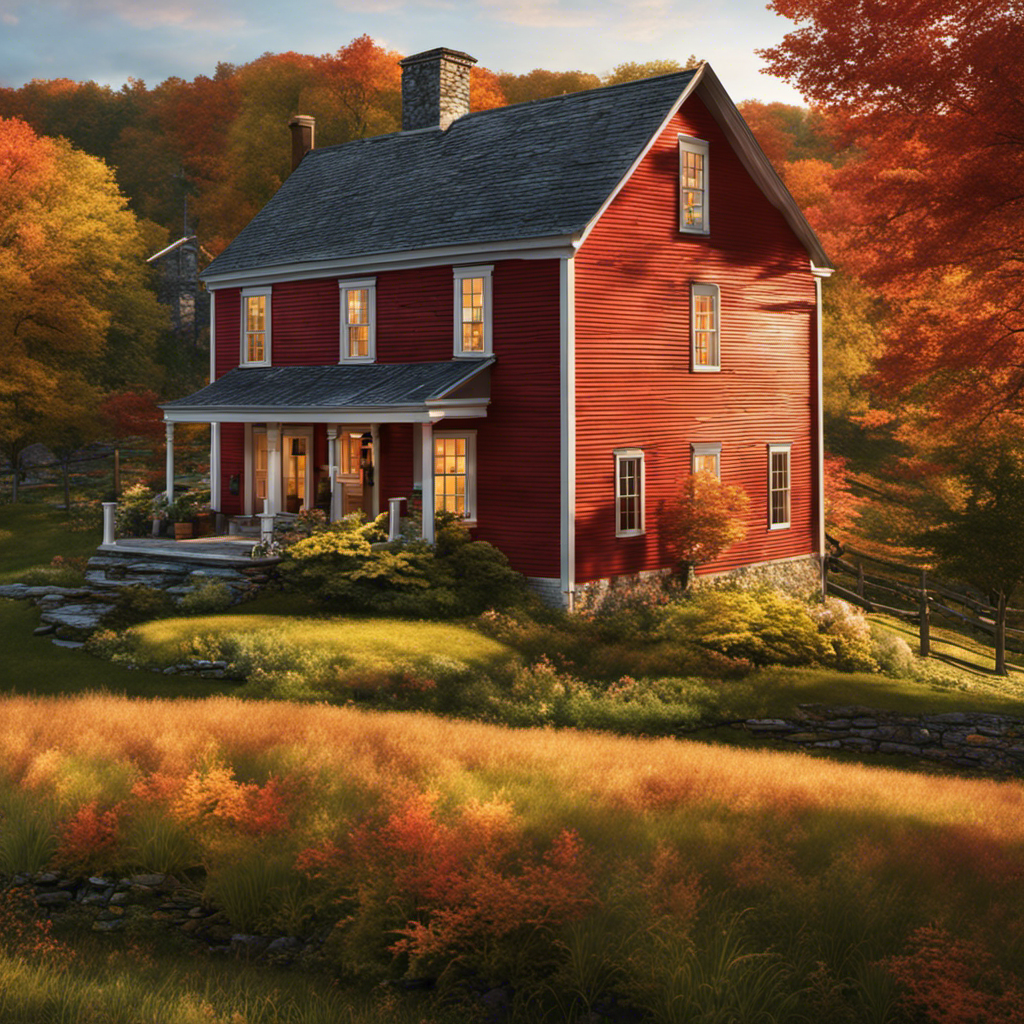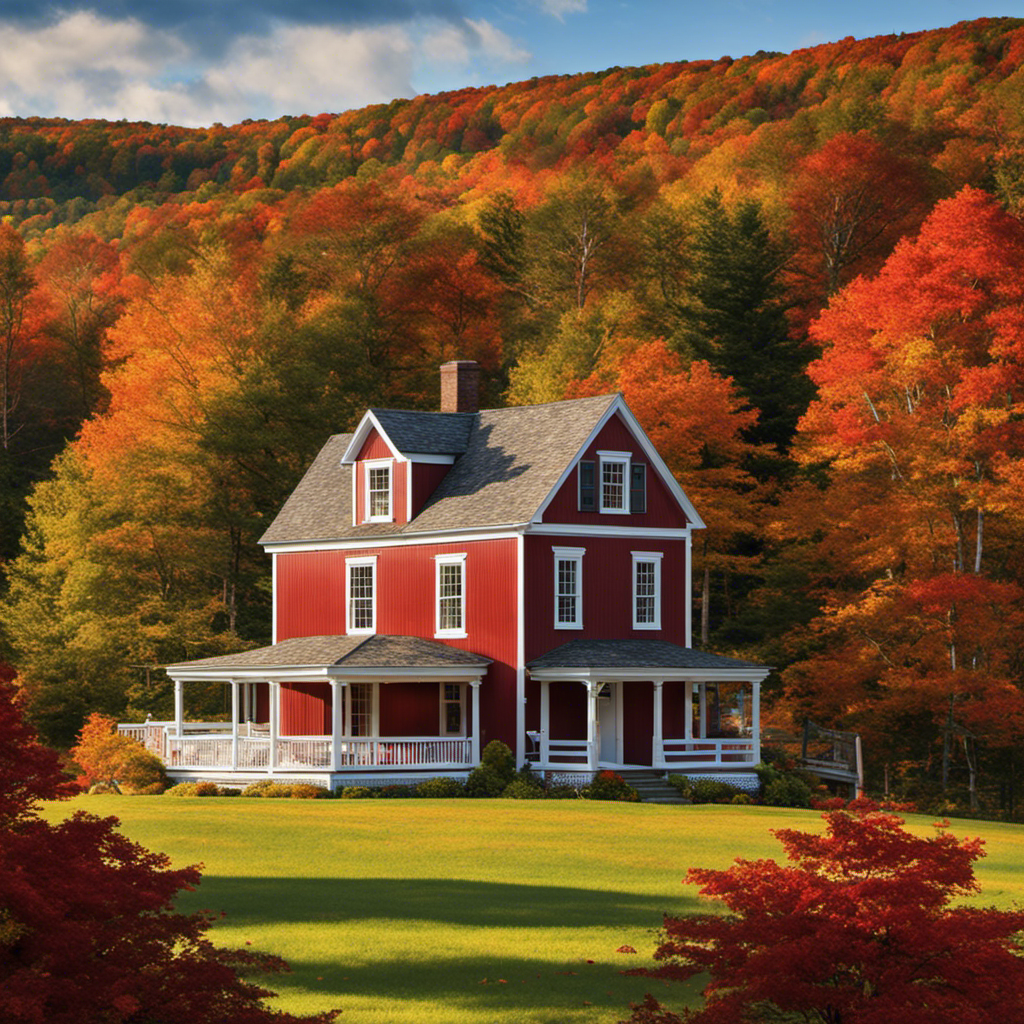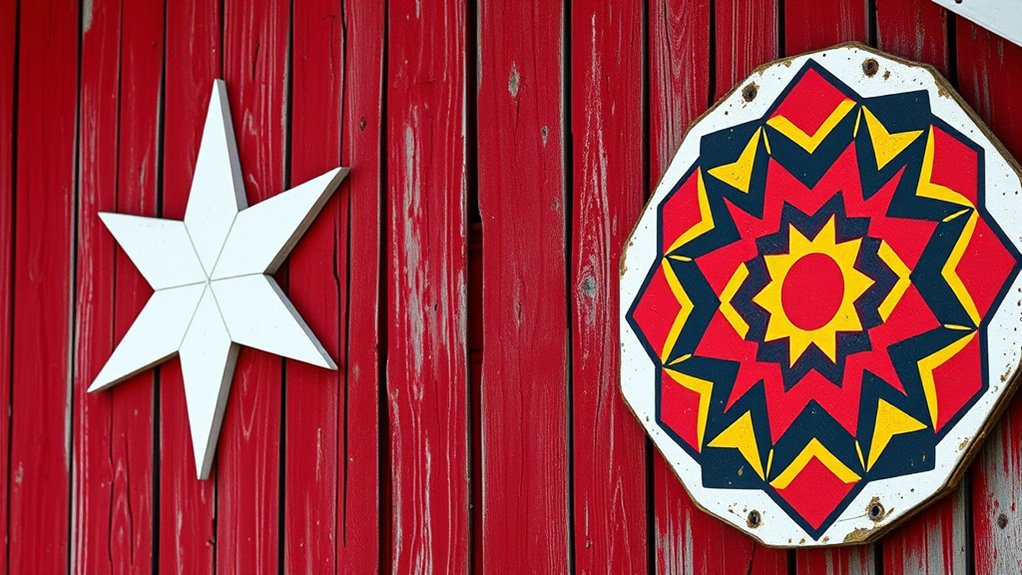

Barn stars and hex signs are regional symbols with distinct origins. Barn stars come from Central European folk art, symbolizing protection, luck, and pride for farmers. Hex signs, rooted in Pennsylvania Dutch culture, feature colorful, intricate patterns representing community well-being, luck, and prosperity. While barn stars focus on warding off evil, hex signs serve as cultural ornaments with meaningful motifs. If you’re curious about how these symbols connect to regional traditions, there’s more to discover below.
Key Takeaways
- Barn stars originate from Central Europe and symbolize protection and pride, mainly used on farm buildings.
- Hex signs are rooted in Pennsylvania Dutch culture, serving as colorful symbols of luck, health, and prosperity.
- Barn stars are simple, five-pointed metal or wooden symbols, while hex signs feature intricate, vibrant geometric and floral patterns.
- Barn stars emphasize personal or family security, whereas hex signs represent regional hopes and community identity.
- Both symbols reflect European heritage but differ in visual style, purpose, and cultural significance within their regional contexts.
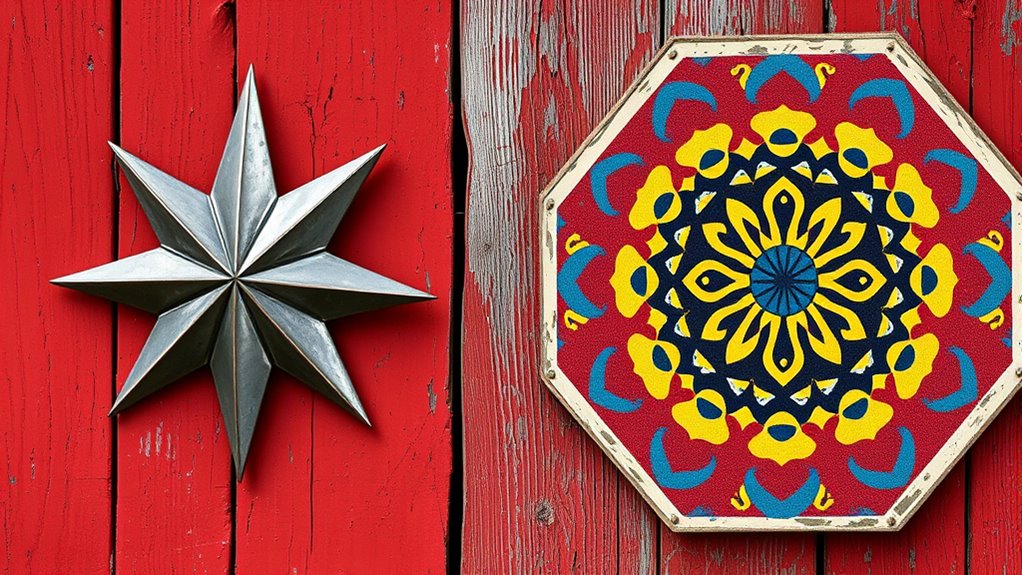
Barn stars and hex signs are two popular decorative symbols often seen on barns, but they serve different purposes and have distinct origins. Understanding their symbol origins and regional symbolism helps you appreciate their unique histories and cultural significance. Barn stars, typically five-pointed metal or wooden stars, originated in Central Europe, particularly Germany, as a form of folk art and good luck charm. These stars were believed to ward off evil spirits and bring protection to the home and its inhabitants. When German immigrants settled in the United States, they brought these symbols with them, and over time, barn stars became a staple in rural American farmsteads. Their simplicity and bold design made them easy to craft and recognizable from a distance, reinforcing their role as symbols of protection and pride for farmers.
Hex signs, on the other hand, have their roots in Pennsylvania Dutch culture, which blends German, Swiss, and other European traditions. These colorful, intricate symbols are more than mere decoration; they carry specific meanings tied to regional symbolism. Historically, hex signs were believed to bring good luck, health, and prosperity, especially for farm families. They often feature motifs like flowers, stars, animals, and geometric patterns, each with a distinct purpose. For example, a sunflower might symbolize abundance, while a heart could represent love and harmony. Unlike barn stars, hex signs are painted in vibrant colors and are deeply embedded in local customs. They served as talismans, and their designs were often based on traditional patterns passed down through generations, reflecting the cultural identity of the Pennsylvania Dutch community.
While both symbols are prominently displayed on barns, their origins highlight the different cultural influences that shaped them. Barn stars, with their European roots, emphasize protection and good luck, serving as symbols of personal or familial security. Hex signs, meanwhile, embody regional symbolism tied to agricultural success, health, and community well-being. The regional symbolism of each reflects the values and beliefs of the communities that adopted them. As you observe these symbols, you’re seeing an expression of cultural heritage—barn stars representing simple protection, and hex signs embodying a complex tapestry of regional hopes and traditions. This distinction underscores how symbols adapt and evolve within local contexts, becoming meaningful markers of regional identity and collective history. Additionally, the use of symbolic motifs in hex signs demonstrates their connection to specific cultural beliefs and practices.
Frequently Asked Questions
Are Barn Stars and Hex Signs Considered Protective Symbols?
Yes, barn stars and hex signs are considered protective symbols rooted in superstitious beliefs and decorative traditions. You might see them painted on barns to ward off evil spirits, bring good luck, and guarantee a fruitful harvest. These symbols serve both a decorative purpose and a cultural belief in their protective power. Their vibrant designs reflect local heritage, blending superstition with tradition to create meaningful, eye-catching decorations.
How Did Barn Stars and Hex Signs Originate Historically?
Did you know that barn stars and hex signs trace back to medieval origins and folk traditions? These symbols, often painted on barns, served as protective charms and good luck tokens. Historically, their designs evolved from European folk art, blending superstitions with practical beliefs. You’ll find that their beauty and symbolism reflect regional cultural identities, making them more than just decorations—they’re a living connection to centuries-old traditions.
Do Barn Stars and Hex Signs Have Specific Meanings or Symbolism?
You’ll find that barn stars and hex signs do carry specific regional meanings and cultural symbolism. Barn stars are often thought to bring good luck and ward off evil, representing protection. Hex signs, on the other hand, are linked to Pennsylvania Dutch traditions, symbolizing blessings, health, or prosperity. While their meanings can vary depending on local customs, these symbols generally serve as positive talismans rooted in regional beliefs.
Are Barn Stars and Hex Signs Used for Decorative Purposes Only?
You might think barn stars and hex signs are just decorative, but they actually hold regional traditions and symbolism. While many use them for decorative purposes, their roots go deeper, representing protection, luck, or spiritual beliefs in their communities. So, even if you see them mainly as ornaments, these symbols carry meaningful history and cultural significance that goes beyond simple embellishments.
Can Barn Stars and Hex Signs Be Personalized or Customized?
Yes, you can personalize barn stars and hex signs with custom designs and color schemes. Many artisans offer options to add meaningful symbols, initials, or specific colors to match your style or tradition. By choosing personalized designs, you make these decorative elements unique to your property. Whether you want vibrant, bold colors or subtle, custom palettes, customization allows you to create a truly special and meaningful piece for your barn or home.
Conclusion
While many believe barn stars and hex signs are just decorative symbols, they actually carry deep cultural meanings. Barn stars are often thought to bring good luck and ward off evil, while hex signs are rooted in Pennsylvania Dutch traditions, symbolizing protection and prosperity. The truth is, these symbols reflect regional beliefs passed down through generations. Understanding their origins shows how tradition and superstition shape our shared history, reminding us to respect and preserve these unique cultural expressions.