TL;DR

Get furniture and decor delivered free with Prime
- Fast, free delivery on millions of items
- Prime Video, Amazon Music and more included
- Member-only deals all year
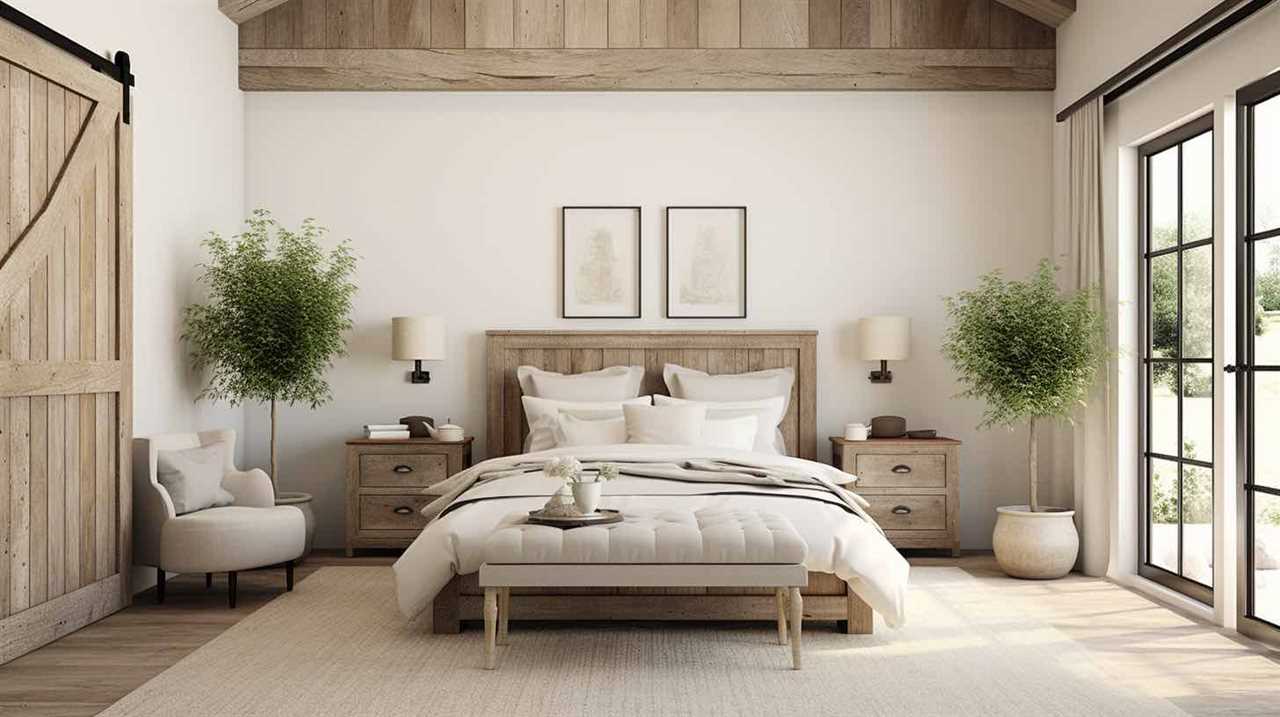
A home improvement item describing a homeowner adding paneling to disguise an eyesore structural beam in a bedroom is drawing renewed reader attention. The coverage signals sustained interest in cosmetic concealment of exposed structural elements. The specific project details and trigger for the current interest are unconfirmed.
A home improvement piece describing how a homeowner concealed an exposed structural beam in a bedroom by adding decorative paneling is attracting renewed attention from readers researching similar fixes. The item, which circulated via home and DIY content feeds, addresses a common design problem: load-bearing or necessary structural elements that protrude into living spaces and are seen as visually intrusive. The specifics of the featured project — the homeowner’s identity, location, materials, and cost — are not independently confirmed.
What is confirmed from the item itself is limited to its core premise: a bedroom contained a structural beam that the homeowner considered an eyesore, and wood paneling was added as a cosmetic disguise rather than as a structural change. This approach — building a framed-out enclosure or applied paneling around a beam — is a long-established technique in residential remodeling, widely documented in contractor and DIY literature. It leaves the load-bearing element untouched while changing its appearance.
Reader interest in this type of solution typically rises when homeowners confront similar conditions: exposed beams left after renovations, columns or headers that interrupt wall planes, or soffits and bulkheads in mid-century and converted-attic bedrooms. Paneling options commonly discussed include shiplap, board-and-batten, fluted wood slats, and applied moldings, each of which turns the beam into a deliberate design feature instead of an obstacle.
It is not confirmed which specific materials, dimensions, or methods the featured project used, nor whether the work was done by the homeowner or a contractor. The current spike in attention is a trend signal based on metadata and distribution activity, not a verified new event, product launch, or publication.
Why Beam-Concealment Projects Resonate
The appeal of this kind of project lies in the gap between structural necessity and interior aesthetics. Beams cannot simply be removed; doing so can compromise a building’s integrity. Cosmetic enclosure is one of the few options available to homeowners, which makes step-by-step examples of it consistently popular content. For readers, the practical takeaway is that disguising a beam is generally a lower-risk, lower-cost intervention compared with structural modification — but it still involves attachment methods, weight, and clearance considerations that affect the result.
The renewed attention also reflects broader design trends in which wood paneling, once dated, has returned to mainstream interiors, giving homeowners a familiar vocabulary for hiding necessary elements.
A Long-Standing Remodeling Workaround
Covering exposed structural members is not new. Builders and remodelers have long used soffits, bulkheads, and boxed-out enclosures to mask beams, ductwork, and piping. The technique became especially common in basement finishing and attic conversions, where ceiling obstructions are frequent. Design publications and home improvement platforms have featured variations for years, from simple painted drywall boxes to paneled accent treatments that make the beam read as intentional architecture. The item currently drawing attention fits squarely within that tradition; no new technique or product is claimed.
What the Source Item Leaves Unverified
Several things remain unclear. The identity and location of the homeowner are not published in a verifiable form. The trigger for the current spike in interest — whether a republication, social media recirculation, or platform recommendation — is unconfirmed. The project’s cost, timeline, materials, and whether permits or professionals were involved are all unknown. Whether the beam in question was load-bearing or a decorative addition is also not established, though the item describes it as structural.
Safety Steps Before Copying the Idea
Readers considering a similar project should confirm the beam’s structural role before attaching anything to it. Recommended steps include: identifying whether the beam is load-bearing (a qualified structural engineer or licensed contractor can verify this); checking local building codes and permit requirements, since enclosing beams near electrical, HVAC, or fire-blocking elements can trigger rules; locating wiring before fastening paneling; and using appropriate PPE and safe fastening methods during installation. Any project involving electrical work, gas lines, or uncertainty about structural elements should be handled by licensed professionals. Coverage of similar beam-disguise projects is likely to continue appearing in home improvement feeds as the paneling trend persists.
Key Questions
Can you cover a load-bearing beam with paneling?
Generally yes, as long as the beam itself is not cut, notched, or altered. Paneling or a framed enclosure is cosmetic and does not change the structure. Verifying the beam’s role with a qualified professional before starting is recommended.
What materials are commonly used to disguise an exposed beam?
Common options include shiplap, board-and-batten paneling, fluted or slatted wood, applied moldings, and painted drywall boxes. The choice affects cost, weight, and how the finished beam looks.
Does boxing in a beam require a permit?
It depends on the jurisdiction and what the enclosure contains or covers. Purely cosmetic paneling often does not require a permit, but enclosures involving electrical work, fire-blocking, or altered clearances may. Check with your local building department.
Is the bedroom beam project described in the story verified?
No. Only the premise — a homeowner disguising a structural bedroom beam with paneling — is confirmed from the item itself. Names, locations, costs, and methods are unverified, and the reason for the current interest spike is unknown.
Source: rss
Halloween Picks
halloween
As an affiliate, we earn on qualifying purchases.