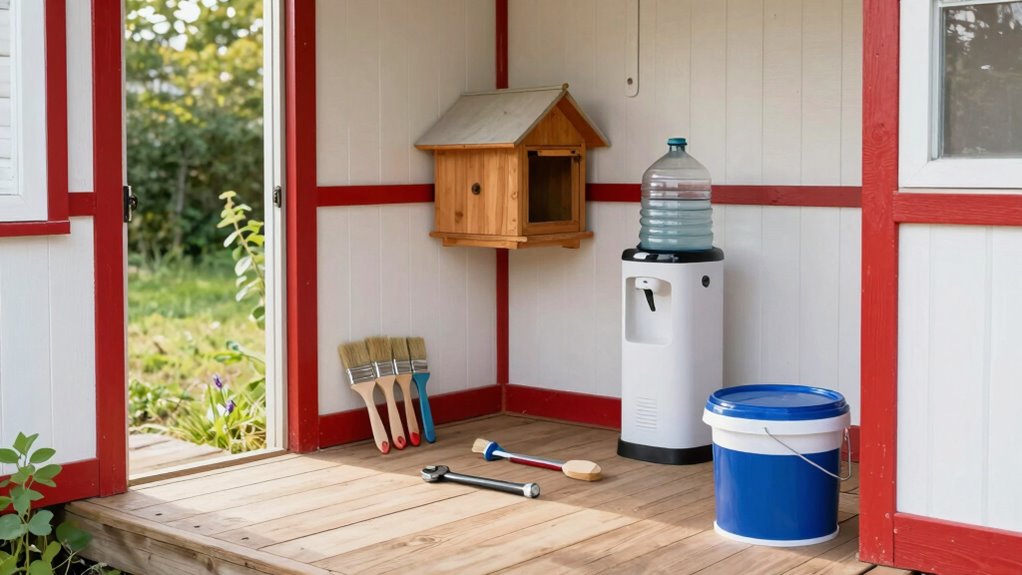
To help your chicken coop last longer, establish a routine of daily egg collection, regular cleaning, and nest box maintenance to prevent dirt and pests. Reinforce fences, check for predators, and secure gates with predator-proof latches. Keep the area tidy by clearing debris and reducing hiding spots around the coop. Inspect for damage, repair as needed, and maintain proper ventilation. Staying consistent with these steps safeguards your coop, and more tips await to ensure its longevity.
Key Takeaways
- Conduct regular inspections and prompt repairs of the roof, walls, and fencing to prevent structural deterioration.
- Maintain cleanliness by removing old bedding, droppings, and debris to reduce bacteria and pest buildup.
- Reinforce fencing and secure gates with predator-proof latches to prevent damage and unauthorized access.
- Keep the surrounding area clear of debris, dense vegetation, and potential hiding spots for predators.
- Implement consistent cleaning and disinfecting routines to ensure a healthy, durable environment for the coop.
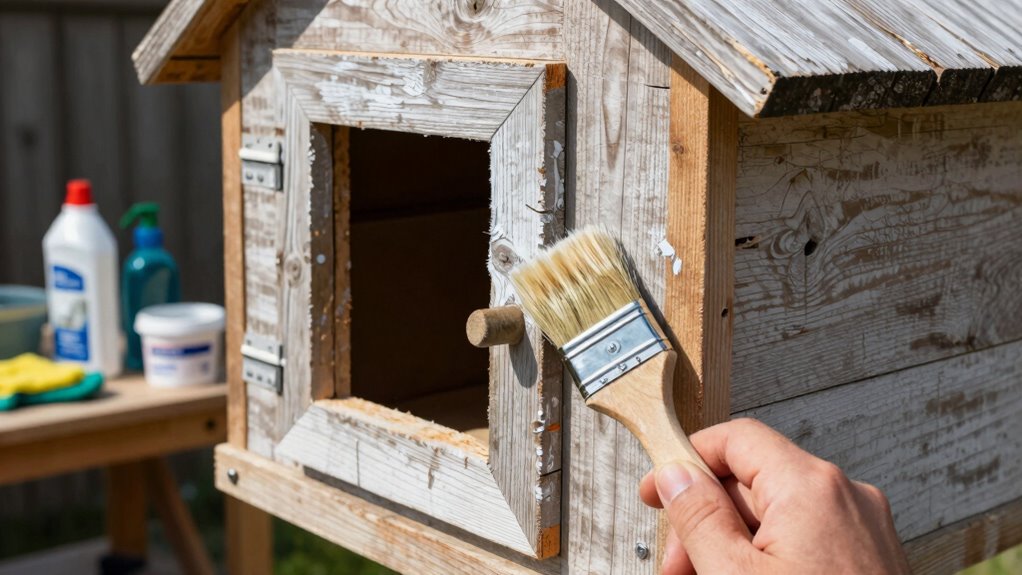
Are you wondering how to keep your chicken coop in top shape? Maintaining a healthy, durable coop requires regular attention, especially when it comes to egg collection and predator prevention. Ensuring eggs are collected daily not only keeps your chickens comfortable and prevents breakage but also discourages pests and predators attracted to unattended nests. Make it a daily habit to check the nesting boxes, gently remove eggs, and clean the area to prevent buildup of dirt or debris. This routine reduces the likelihood of eggs cracking or becoming contaminated, which can lead to health issues for your flock. When collecting eggs, keep an eye out for signs of predators like droppings or disturbed nesting materials, so you can immediately address any security breaches. Regularly inspecting the coop’s fencing and gates ensures your predator prevention efforts stay effective and your chickens remain safe.
Predator prevention is essential for a long-lasting coop. You want to make sure that your chickens are safe from raccoons, foxes, or birds of prey. Regularly inspect the coop’s fencing and gates, ensuring they’re sturdy and secure. Small gaps or loose wiring give predators an easy entry point, so reinforce weak spots promptly. Covering runs with hardware cloth instead of chicken wire provides a stronger barrier that pests can’t chew through or squeeze past. Additionally, secure the coop doors with latches that predators can’t manipulate, and consider installing motion-activated lights or alarms to deter nighttime intruders. Keeping the area surrounding the coop clear of debris, dense bushes, or tall grass reduces hiding spots for predators and makes it easier for you to monitor the premises.
Routine maintenance also includes cleaning and disinfecting the coop to prevent disease. Remove old bedding, droppings, and leftover feed regularly. Use a safe disinfectant to wipe down surfaces, especially after cleaning up any messes caused by predators or escaped chickens. Proper ventilation is equally crucial; check ventilation systems to prevent buildup of moisture and ammonia, which can cause respiratory issues. Regularly inspect the coop’s roof and walls for damage, replacing or repairing parts as needed to keep out the weather and pests. Good ventilation, combined with a clean environment, discourages bacteria growth and keeps your chickens healthy.
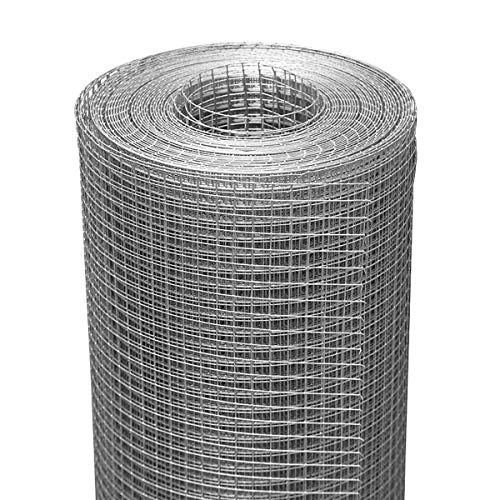
SEBOSS Hardware Cloth 1/2 inch 48 x 100 Ft 19-Gauge, Hot-dip Galvanized After Welding, Chicken Wire Fencing Wire Mesh Roll Rat Wire Gopher Mesh
1. Superior Materials & Rust Protection – SEBOSS 19 gauge hardware cloth is made from low-carbon steel wire…
As an affiliate, we earn on qualifying purchases.
As an affiliate, we earn on qualifying purchases.
Frequently Asked Questions
How Often Should I Replace the Bedding in My Chicken Coop?
You should replace the bedding in your chicken coop at least once every 1 to 2 weeks, depending on bedding types and coop conditions. Regular replacement keeps odors down and prevents disease. For deep litter systems, you might top off bedding more often and do a full replacement every few months. Monitor your coop regularly, and adjust the replacement schedule based on cleanliness, moisture levels, and chicken activity.
What Are Signs of Pest Infestation in a Chicken Coop?
You’ll notice signs of pest infestation like droppings, chewed bedding, or nesting materials, indicating rodents or insects are present. Keep an eye out for gnaw marks or unusual noises, especially at night. Effective rodent control and pest prevention are essential; seal cracks and holes, and keep the coop clean. Regular inspections help catch infestations early, protecting your chickens’ health and ensuring your coop remains a safe, pest-free environment.
How Do I Prevent Mold Growth Inside the Coop?
To prevent mold growth inside your coop, prioritize good mold prevention by controlling moisture and humidity. Improve ventilation by adding vents or windows to promote airflow, which helps keep the environment dry. Regularly clean spills, remove damp bedding, and make sure waterers don’t leak. Keep the coop dry and well-ventilated, and you’ll considerably reduce mold risk, creating a healthier space for your chickens and extending the coop’s lifespan.
What Is the Best Way to Clean Coop Feeders and Waterers?
To keep your coop feeders and waterers in top shape, prioritize regular cleaning. Use warm, soapy water for feeder maintenance and rinse thoroughly to prevent residue buildup. For waterer hygiene, disinfect with a solution of vinegar and water weekly. Scrubbing all surfaces guarantees no hidden grime remains. Consistent attention keeps your chickens healthy and your coop smelling fresh, ultimately extending its lifespan and maintaining a clean, safe environment.
How Can I Protect the Coop From Extreme Weather Conditions?
To protect your coop from extreme weather, implement weatherproofing tips like sealing gaps and adding sturdy roofing. Use insulation strategies such as insulating walls and floors to keep temperatures stable. You can also install windbreaks or tarps to shield from strong winds and rain. Guarantee proper ventilation without drafts, and elevate the coop to prevent flooding. These steps help maintain a safe, comfortable environment for your chickens year-round.

SANKINS Loop Style Spring Locking Barrel Bolts Door Latch Hardware for Sheds, Gates, Barn Doors, Wooden Window, Chicken Coops Black – 1 Pair Includes 8 Screws
【Reliable and Solid】The heavy duty loop style spring loaded barrel bolts are made of High-strength steel. The thickened…
As an affiliate, we earn on qualifying purchases.
As an affiliate, we earn on qualifying purchases.
Conclusion
So, next time you think about skipping a quick coop check, remember—neglecting maintenance might just turn your peaceful chicken haven into a feathery disaster zone. Ironically, taking the time to keep things tidy and secure now saves you endless trouble—and feathers—later. Your chickens will thank you with eggs, and you’ll thank yourself for avoiding the chaos of a crumbling coop. After all, a little routine maintenance goes a long way—who knew?

Microbe-Lift Chicken Coop Cleaner & Deodorizer – 32 oz – Natural Cleaner & Deodorizer for Chicken Waste, Bedding & Surfaces – Helps Maintain a Clean Poultry Space
Targets Odors at the Source: Helps reduce unpleasant smells caused by chicken manure and bedding with a blend…
As an affiliate, we earn on qualifying purchases.
As an affiliate, we earn on qualifying purchases.

Nest Box Pads for Chicken Nesting Boxes – 13 x 13 Pads Made in USA from Sustainably Sourced Aspen Excelsior (10 Pack)
SUSTAINABLY SOURCED: The aspen used for our nest box pads are sourced only from forest product companies that…
As an affiliate, we earn on qualifying purchases.
As an affiliate, we earn on qualifying purchases.