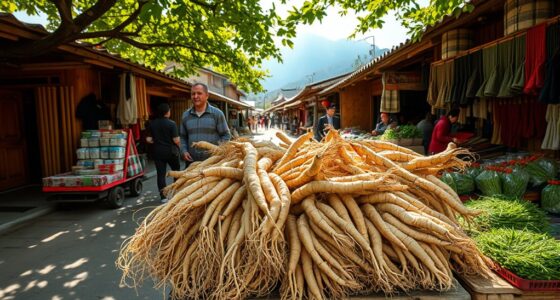
Exploring Appalachian apple varieties and ciders reveals a vibrant region rich in unique flavors and traditions. You’ll find a diversity of crisp, tart, and sweet apples grown to thrive in local soil and climate. These apples influence the distinct ciders crafted using traditional and modern methods, often reflecting regional history. If you’re curious about the connection between orchards and the craft of cider-making, there’s more fascinating detail waiting for you.
Key Takeaways
- Appalachian region hosts diverse apple varieties with unique flavors suited to local climate and soil.
- Orchard tours showcase apple cultivation, history, and flavor tasting, highlighting regional agricultural heritage.
- Cider brewing in Appalachia uses traditional and modern techniques, often emphasizing natural fermentation and variety blending.
- The flavor profiles of Appalachian ciders are directly influenced by the specific apple varieties grown in local orchards.
- Cider-making preserves cultural traditions, supports local economies, and celebrates regional craftsmanship and apple diversity.

The Appalachian region is home to a rich diversity of apple varieties and a thriving cider culture that reflects its unique agricultural heritage. If you’re exploring this vibrant landscape, one of the best ways to immerse yourself is through local orchard tours. These excursions let you walk among the trees, see firsthand how different apple varieties grow, and learn about the history behind each orchard. As you stroll through the lush canopy, you’ll notice how orchard owners and farmers have cultivated specific apple types suited to the region’s climate and soil. These tours often include tastings of freshly picked apples, giving you a sense of their unique flavors, from tart and crisp to sweet and mellow. Engaging directly with local growers provides insight into the careful cultivation practices that preserve the region’s apple diversity and support the local economy.
Once you’ve experienced the orchards, you can explore the art of cider brewing techniques that are deeply rooted in Appalachian traditions. Many local cideries welcome visitors to observe or even participate in the brewing process. You’ll learn that crafting cider isn’t just about crushing apples; it involves precise fermentation methods, temperature control, and the right yeast strains to develop complex flavors. Some cider makers favor traditional methods, using wild yeasts and natural fermentation, which results in more nuanced and authentic tastes. Others might incorporate modern techniques, like blending different apple varieties or aging cider in barrels, to create unique profiles. Watching and participating in these processes helps you appreciate the craftsmanship behind each bottle.
The combination of local orchard tours and cider brewing techniques underscores the region’s dedication to quality and tradition. You might taste a cider that captures the essence of a specific orchard’s apples, or learn how certain varieties lend distinct notes to the final product. Whether you’re sampling a crisp, revitalizing cider or savoring a more complex, barrel-aged brew, you get a sense of how Appalachian farmers and cider makers keep their heritage alive through every step of the process. This hands-on experience enriches your understanding of the region’s apple diversity and the cultural significance of cider-making. It’s about connecting with the land, the traditions, and the people who continue to celebrate Appalachian apple varieties and their role in shaping the local cider scene. Additionally, understanding how market positioning influences cider styles and availability can deepen your appreciation for the regional differences.
Appalachian apple varieties tasting kit
As an affiliate, we earn on qualifying purchases.
As an affiliate, we earn on qualifying purchases.
Frequently Asked Questions
Which Appalachian Apple Variety Is Best for Baking?
The best apples for pie are often baking apple varieties, and among Appalachian options, the Stayman Winesap stands out. You’ll love how it holds its shape and offers a perfect balance of tartness and sweetness. When making pie, selecting the best apples for pie guarantees a flavorful, tender filling. So, grab some Stayman Winesap, and you’ll get a delicious, classic apple pie every time.
How Do Appalachian Apples Differ From Other Regional Varieties?
You’ll notice Appalachian apples often have a unique regional flavor, blending tartness and sweetness that stand out from other varieties. They usually carry heirloom significance, meaning they’ve been passed down through generations, preserving local history and flavor profiles. Unlike some commercial apples, Appalachian varieties tend to be more diverse, offering richer, more complex tastes that reflect their Appalachian roots, making them special for cooking, baking, or eating fresh.
What Historical Significance Do Appalachian Apples Hold?
You’ll find that Appalachian apples hold deep historical significance, with over 100 varieties dating back to the 19th century. They play a key role in heritage preservation, symbolizing resilience and local identity. These apples embody the cultural symbolism of Appalachian communities, connecting generations through traditional farming and storytelling. Their preservation helps maintain regional history, honoring the hard work and ingenuity of early settlers while keeping cultural traditions alive today.
Are Appalachian Apple Varieties Suitable for Organic Farming?
Yes, Appalachian apple varieties are suitable for organic farming. You can use organic practices like natural pest management and composting to keep the trees healthy. These varieties often have natural resistance to pests and diseases, reducing the need for chemical interventions. By focusing on sustainable methods, you’ll produce high-quality apples while protecting the environment. Organic farming of Appalachian apples supports local ecosystems and promotes healthier, more flavorful fruit.
How Has Climate Change Impacted Appalachian Apple Cultivation?
Climate change has markedly impacted Appalachian apple cultivation by altering temperature patterns, which affect harvest timing and fruit quality. While some might think these changes hinder growth, adopting climate adaptation strategies like selecting resilient apple varieties and adjusting planting schedules can help. You can mitigate temperature effects on harvest by monitoring weather trends closely and implementing flexible management practices, ensuring your apple crops remain healthy despite shifting climate conditions.

Hard Cider Making Kit – 1 Gallon Reusable Homebrew Set to Make Hard Apple Cider- Must Bee Company
HARD CIDER KIT- Includes 1 gallon glass carboy, airlock, rubber stopper, siphon tube and clamp, funnel, yeast, yeast…
As an affiliate, we earn on qualifying purchases.
As an affiliate, we earn on qualifying purchases.
Conclusion
As you savor the crisp, tangy burst of Appalachian apples, imagine strolling through orchards kissed by morning dew, where sunlight filters through vibrant leaves. The aroma of freshly pressed cider dances in the air, whispering stories of tradition and terroir. With each sip, you taste the rich history woven into the land, a symphony of flavors that captures the spirit of Appalachia. This journey through apple varieties leaves you with a lasting memory of orchard magic.
Hard Cider Making Kit – 1 Gallon Reusable Homebrew Set to Make Hard Apple Cider- Must Bee Company
HARD CIDER KIT- Includes 1 gallon glass carboy, airlock, rubber stopper, siphon tube and clamp, funnel, yeast, yeast…
As an affiliate, we earn on qualifying purchases.
As an affiliate, we earn on qualifying purchases.

Personalized Barrel Aged Cinnamon Whiskey Making Bootleg Kit – Thousand Oaks Barrel Co. (1 Liter) – Age Fireball Cocktails, Apple Cider Hot Toddy, Whisky Sour
THE ORIGINAL “MAKE YOUR OWN WHISKEY” BOOTLEG KIT – Includes everything (but the alcohol) you need to make…
As an affiliate, we earn on qualifying purchases.
As an affiliate, we earn on qualifying purchases.