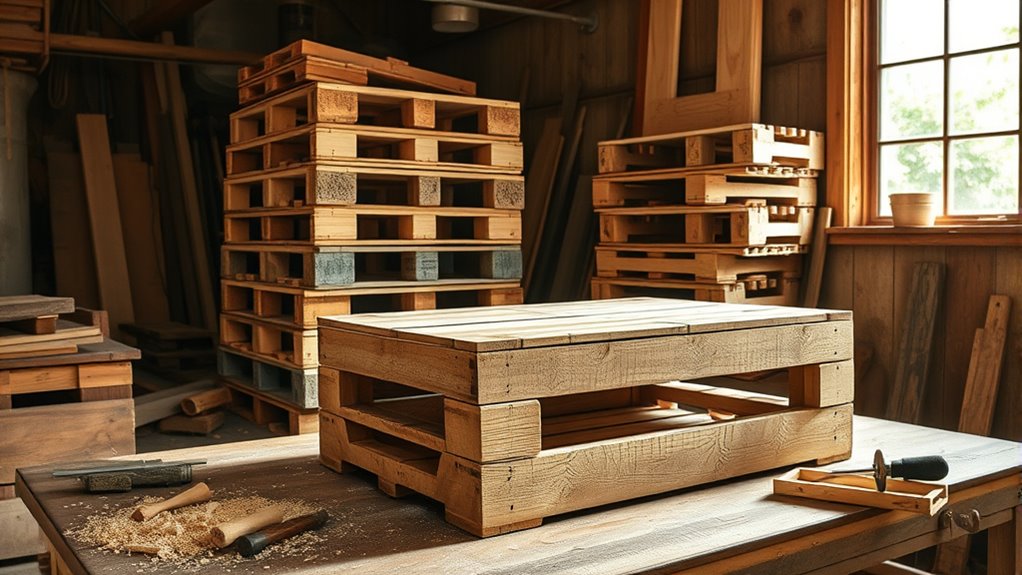

To design and build a crate coffee table, start by selecting sturdy, attractive reclaimed wood crates from salvage yards or flea markets. Plan your layout, sketch your design, and choose the size and style that fit your space. Clean, sand, and assemble the crates securely using screws and glue, then finish with stain or sealant for the desired look. If you keep exploring, you’ll uncover step-by-step tips to craft a unique, rustic table that reflects your style.
Key Takeaways
- Select sturdy, aesthetically pleasing reclaimed crates from salvage yards or pallets for a rustic, authentic look.
- Plan your design layout, considering size, shape, and stability, using sketches to visualize the final coffee table.
- Clean, sand, and prepare crates to ensure smooth surfaces and better adhesion for assembly and finishing.
- Secure crates together with wood screws and glue, using clamps to maintain alignment during assembly.
- Finish with sealant, stain, or natural treatment to enhance durability and achieve your desired style.
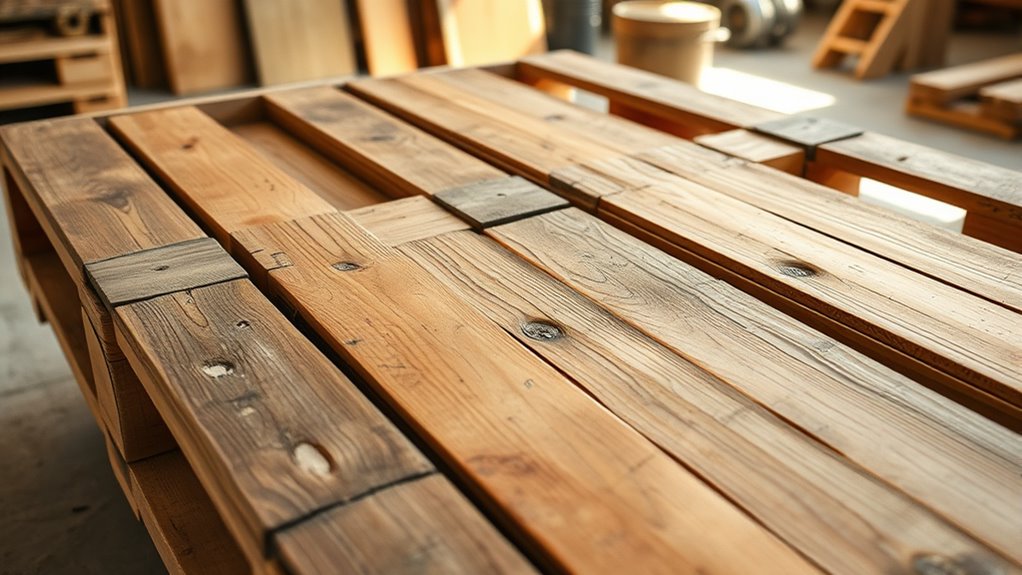
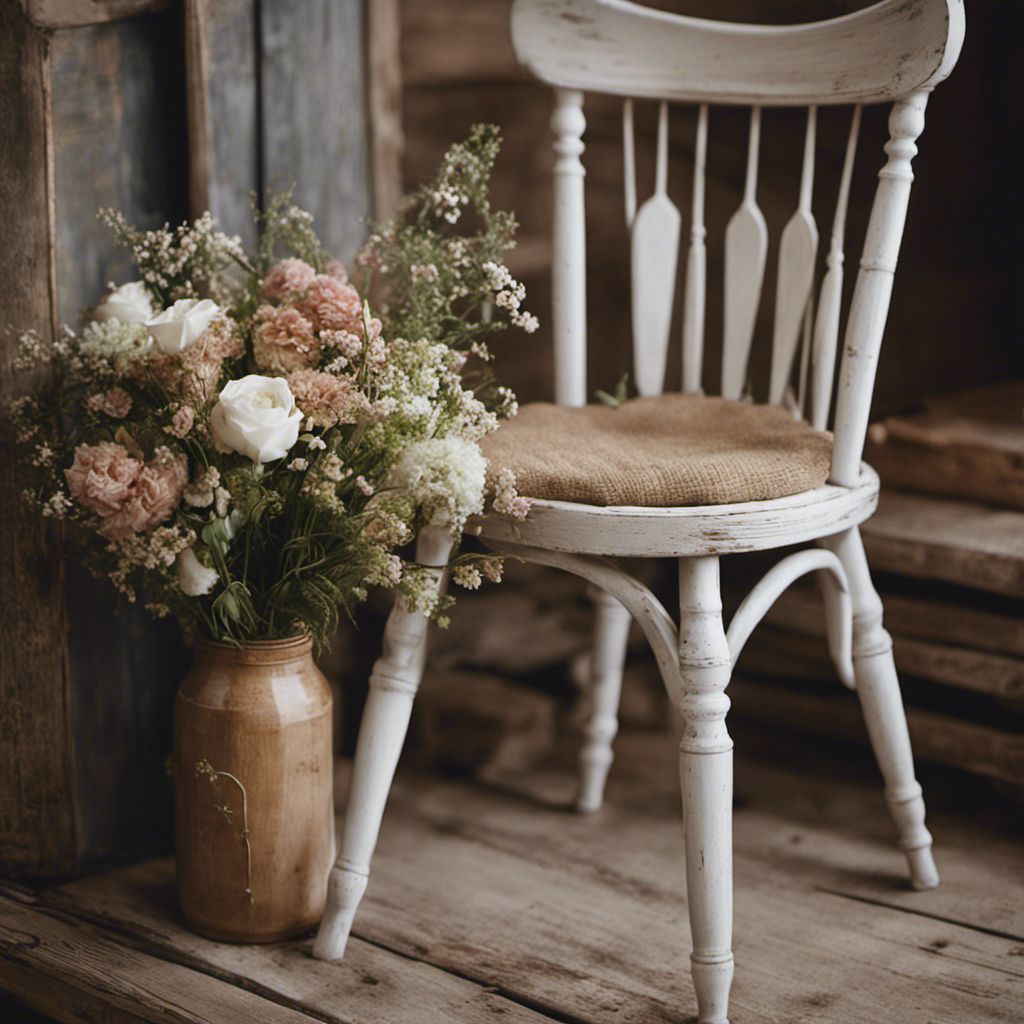
Creating a crate coffee table is an excellent way to add a rustic, personalized touch to your living space while also showcasing your DIY skills. When you choose to craft your table from reclaimed wood, you not only create a unique piece but also contribute to sustainable practices. Reclaimed wood offers character and history, giving your table a distinctive look that factory-produced furniture can’t match. Using reclaimed wood is an eco-friendly choice that adds warmth and authenticity to your design, making it a centerpiece in any room.
To get started, gather your materials. You’ll need reclaimed wood crates, which can often be found at salvage yards, flea markets, or even repurposed from old pallets. The key is selecting crates that are sturdy, in good condition, and have the aesthetic you desire. Once you have your crates, the next step involves planning your design. Decide whether you want a simple rectangular table, a multi-tiered piece, or something more intricate. Sketching out your design helps you visualize the final product and plan for any modifications needed.
With your design in mind, it’s time to employ DIY techniques to assemble your table. First, clean and sand the reclaimed wood to remove dirt, splinters, and rough patches. This process not only improves safety but also ensures a smooth surface for finishing. Next, you’ll want to join the crates together securely. Using wood screws and a drill, attach the crates side-by-side or stack them, depending on your design. Clamps can help hold pieces in place during assembly, and for added stability, consider using wood glue at the joints before screwing everything together.
An essential part of creating a reclaimed wood coffee table is finishing. Applying a sealant or clear coat preserves the wood, enhances its natural beauty, and protects against spills and wear. If you prefer a more rustic look, you might opt for a light stain or leave the wood natural. For a cleaner, modern appearance, a darker stain can add contrast and sophistication. Remember, the finishing touches make all the difference in elevating your DIY project from simple to stylish.
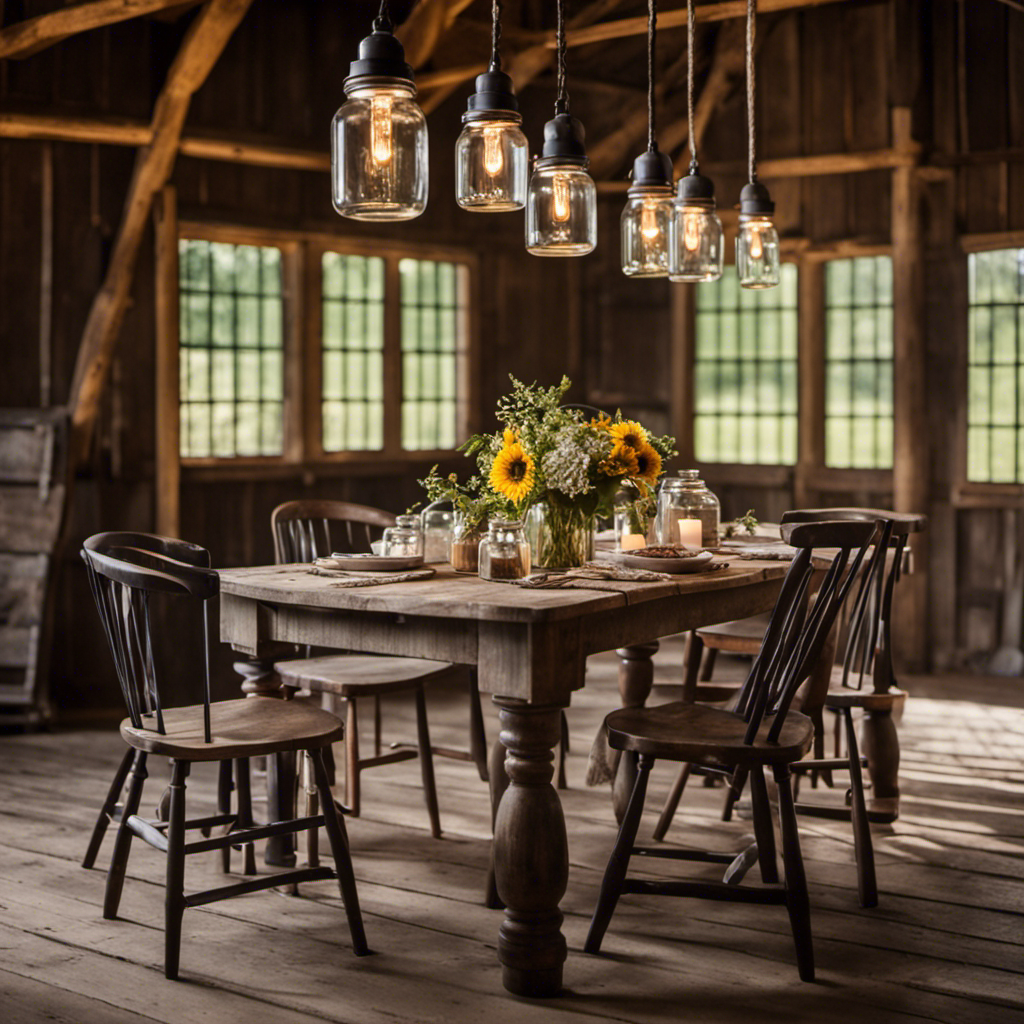
Throughout the process, your attention to detail and patience will pay off. Crafting a crate coffee table from reclaimed wood allows you to customize every aspect, from size to color, ensuring the piece perfectly fits your space and style. By applying DIY techniques and embracing the natural charm of reclaimed wood, you create a functional, eye-catching centerpiece that reflects your personality and craftsmanship. This project not only results in a beautiful table but also gives you the satisfaction of transforming discarded materials into something special. Additionally, incorporating natural materials like wood into your design enhances the rustic farmhouse aesthetic.
Frequently Asked Questions
What Types of Wood Are Best for Crate Coffee Tables?
When choosing wood for crate coffee tables, you want to contemplate durability and aesthetics. Reclaimed wood is a popular choice because it has a unique wood grain and adds character to your piece. Hardwoods like oak, maple, or pine are also excellent options—they’re sturdy and showcase beautiful grain patterns. These woods age well, resist wear, and give your table a rustic yet polished look, perfect for your creative project.
How Do I Waterproof or Seal the Crate for Outdoor Use?
To waterproof or seal your crate for outdoor use, start by cleaning it thoroughly. Then, apply sealant options like a polyurethane or spar varnish, which provide durable waterproof coatings. Use a brush or roller for even coverage, paying attention to all crevices. Multiple coats enhance protection, so let each dry completely before applying the next. This way, your crate stays protected against moisture and weather damage.
Can Crate Coffee Tables Support Heavy Weight or Multiple Items?
You might wonder if crate coffee tables can support heavy weight or multiple items. It depends on the weight capacity and load distribution. If you build with sturdy materials and reinforce joints, your table can handle more weight. Properly distributing the load evenly across the surface also helps prevent damage. Keep these factors in mind, and you’ll have a durable table that can hold multiple items without issue.
What Tools Are Essential for Building a Crate Coffee Table?
Imagine you’re a knight preparing for battle—your tools are your armor. To build a crate coffee table, you’ll need essential tools like a saw, drill, screwdriver, and measuring tape. Don’t forget safety gear like goggles and gloves to protect yourself. After assembly, use finishing techniques like sanding and staining to give it a professional look. These tools and safety measures help you craft a sturdy, beautiful table that lasts.
How Do I Customize the Size and Design of My Crate Table?
To customize your crate coffee table’s size and design, explore various customization options like adjusting dimensions or adding shelves. Use design inspirations from furniture styles you love, such as rustic or modern, to guide your choices. Measure your space carefully, then modify the crates accordingly. Don’t be afraid to experiment with paints, finishes, or hardware to make your table uniquely yours and perfectly suited to your living area.
Conclusion
By choosing to design and build your crate coffee table, you embrace creativity, craftsmanship, and sustainability. You transform simple materials into a functional piece, a personalized touch into your living space. You learn patience, hone your skills, and enjoy the satisfaction of a project well done. You create not just a table, but a story, a statement, a piece that reflects your style. And in doing so, you make something uniquely yours, something truly meaningful.