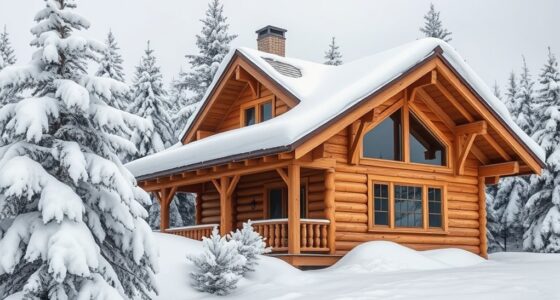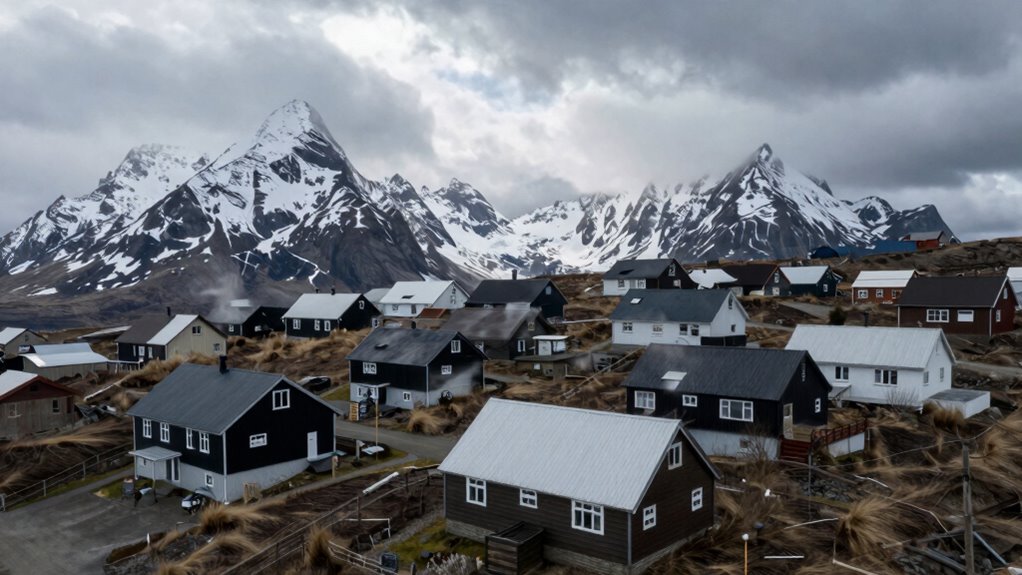

In Alaska, wind exposure is critical because it affects how your building withstands strong, persistent gusts. You need durable materials like reinforced concrete or steel to prevent damage and reduce maintenance costs. Proper insulation and sealing keep cold wind outside, while thoughtful design—like streamlined shapes and strategic orientation—lessens wind pressure. Understanding these factors helps create safe, energy-efficient spaces that last. Keep exploring to discover how these strategies can protect your building in Alaska’s tough wind conditions.
Key Takeaways
- Wind exposure influences material selection to ensure durability and prevent structural damage in harsh conditions.
- Building shape and orientation are optimized to reduce wind pressure and improve energy efficiency.
- Proper insulation and sealing are crucial to prevent cold air infiltration driven by strong winds.
- Structural analysis accounts for wind loads, enhancing safety and resilience of the building.
- Designing for wind exposure extends building lifespan and minimizes maintenance costs in windy environments.
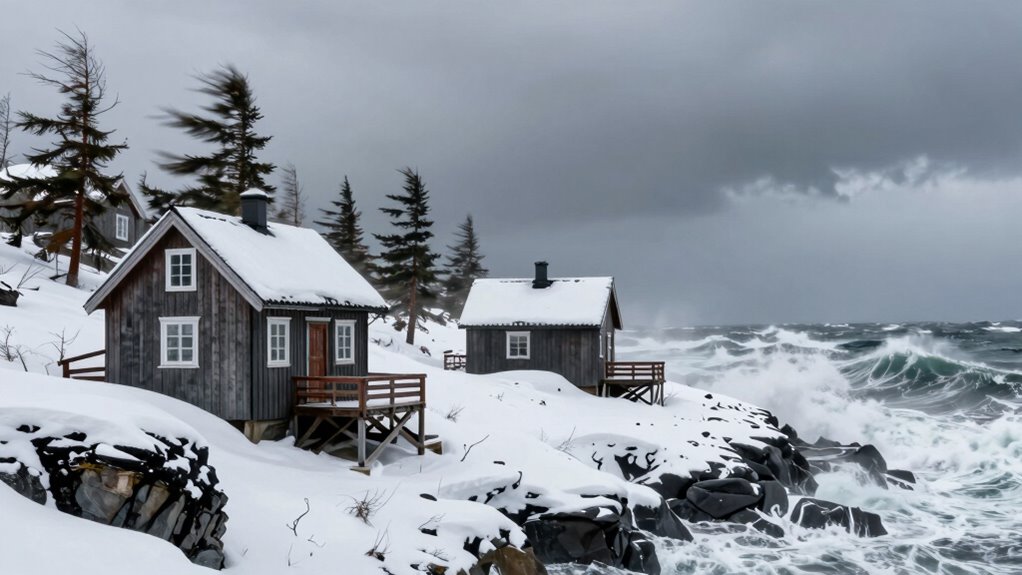
Have you ever wondered how Alaska’s fierce winds influence building design? The relentless gusts sweeping across the state shape every aspect of construction, demanding careful planning and tailored strategies. Wind exposure isn’t just a minor concern; it’s a fundamental factor that determines how structures are built, how they withstand the elements, and how comfortable their occupants remain. When designing buildings in Alaska, you need to prioritize the right building material selection. Strong, durable materials become essential to resist the constant pressure and prevent wind-driven damage. You’ll find that traditional materials might not cut it here; instead, you opt for reinforced concrete, steel, or specialized cladding that can endure high wind loads. These choices protect the integrity of the structure and minimize maintenance costs over time.
Equally important are the insulation strategies you implement. Alaska’s cold climate, combined with its wind exposure, creates a unique challenge: preventing heat loss while ensuring the building can withstand the force of the wind. Proper insulation acts as a barrier, reducing energy consumption and maintaining a cozy interior despite the harsh environment. You want to incorporate high-performance insulation—materials like spray foam or rigid foam boards—that offer excellent thermal resistance and help seal gaps where drafts might occur. An effective insulation strategy also involves sealing all joints and penetrations thoroughly, preventing wind-driven cold air from infiltrating the building envelope. These measures not only improve energy efficiency but also protect the structure from potential wind-related damage, such as uplift or lateral forces. Additionally, understanding how contrast ratio impacts overall image quality can influence the design of visual elements or signage on the building’s exterior, ensuring clarity and visibility in challenging weather conditions. Moreover, incorporating a comprehensive wind analysis during the planning stage can help identify potential vulnerabilities and guide design adjustments to further enhance resilience. Recognizing the importance of wind load calculations ensures that the structural design can effectively withstand the forces exerted by these fierce winds. Conducting regular climate-resilient design evaluations allows architects and engineers to adapt and refine their strategies over time to meet evolving environmental challenges. Incorporating climate-resilient design principles is also crucial to address the specific environmental challenges present in Alaska’s windy regions.
In addition, you have to think about the building’s shape and orientation to minimize wind impact. Narrow, streamlined designs help the wind flow around the structure more smoothly, reducing pressure points. Proper placement of windows, doors, and vents further contributes to resilience, as does anchoring the building securely to the ground with reinforced foundations. All these considerations stem from understanding how wind interacts with the building at every level. Your goal is to create a structure that’s not only resilient but also energy-efficient and comfortable for its occupants. In Alaska, ignoring wind exposure isn’t an option; it’s a critical factor that drives your decisions on material choice and insulation methods. By factoring in these elements from the start, you ensure your building can stand strong against the fiercest gusts while providing a safe, warm haven for those inside.

ZENFUN 4.4 Lb Fiberglass for Concrete Cement, 3/4"(19mm) Length Fiberglass Chop Strands for Mortar Concrete Reinforcement, Fiber Additive White Fiber Glass for Building Walls Garden Floor
- Package Content: 1 pack of fiberglass chop strands
- Weight and Length: 4.4 lbs, 3/4 inch length
- Material: Glass fibers for reinforcement
As an affiliate, we earn on qualifying purchases.
As an affiliate, we earn on qualifying purchases.
Frequently Asked Questions
How Does Wind Exposure Influence Building Insulation Choices in Alaska?
Wind exposure directly influences your insulation choices in Alaska because higher wind resistance demands better insulation effectiveness. You’ll want to select materials that can withstand strong gusts without losing their insulating properties. Effective insulation helps prevent heat loss caused by wind-driven cold air, ensuring your building stays warm and energy-efficient. So, understanding wind exposure helps you choose the right insulation to maintain comfort and reduce heating costs.
Are There Specific Architectural Styles Optimized for High Wind Areas?
Yes, there are specific architectural styles optimized for high wind areas, often featuring aerodynamic shapes and reinforced structures to withstand strong gusts. You’ll notice these styles prioritize durability over ornate architectural aesthetics, especially in Alaska. If you value historical building preservation, you might adapt these wind-resistant designs to maintain the charm of traditional architectures while enhancing their resilience against harsh conditions.
How Do Local Regulations Address Wind Exposure in Construction?
Ever wonder how local regulations protect you from harsh winds? They require wind barriers and structural reinforcements to strengthen buildings against high exposure. Regulations often specify setbacks, building orientations, and materials to minimize wind impact. By adhering to these rules, you guarantee safety and durability. Local codes aim to reduce wind-related damages, making sure your structure withstands Alaska’s challenging climate. Do you know if your project meets these essential standards?
What Are the Long-Term Maintenance Challenges Caused by Wind in Alaska?
You’ll face long-term maintenance challenges from wind in Alaska, especially from storm damage that weakens structures over time. High winds can cause persistent wear on roofing, siding, and windows, leading to frequent repairs. To combat this, you need regular inspections and proactive structural reinforcement. Staying vigilant helps prevent minor issues from escalating, ensuring your building remains resilient against the constant threat of wind-related damage in the harsh Alaskan environment.
How Does Wind Exposure Affect Energy Efficiency in Buildings?
Like a ship facing relentless storms, your building’s wind exposure influences its energy efficiency. You’ll find that strong winds can increase heat loss, forcing your HVAC systems to work harder. Aesthetic considerations and historical influences shape how structures withstand these gusts, but failing to account for wind can lead to higher energy bills. Proper design minimizes wind impact, helping your building stay warm and efficient even amid Alaska’s fierce weather.
Conclusion
In Alaska, ignoring wind exposure is like leaving your windows open during a storm—you invite chaos. Properly accounting for wind can turn a fragile structure into a fortress, shielding you from relentless gusts. Think of your building as a sailboat, where wind direction and strength determine your stability. By understanding and planning for wind, you’re not just building a home—you’re anchoring your safety against nature’s fiercest forces.