TL;DR

Get furniture and decor delivered free with Prime
- Fast, free delivery on millions of items
- Prime Video, Amazon Music and more included
- Member-only deals all year
A Hunker report describes a DIY vase made by shaping a pool noodle around a cardboard base and toilet paper tube, then covering it with decoupage paper or textured paint. The project uses inexpensive or recycled materials, but the source does not establish that the finished piece can hold water; it is best treated as decorative.
Hunker has outlined a DIY project that turns a pool noodle, a toilet paper tube and a small cardboard box into a vintage-inspired decorative vase. The guide, which credits YouTube creator NamrataALLINONE for demonstrating the process, uses decoupage napkins or textured paint to cover the foam and suggests the finished piece for displaying artificial flowers.
The project begins by cutting small wedges from both ends of a pool noodle and bringing those ends together to form a loop. A toilet paper tube is inserted through the opening to shape the vase neck, then attached with hot glue. Masking tape is used to hold the noodle ends around the tube while the glue sets. A separate length of noodle is split along its side and fitted over the exposed tube to cover it.
For the base, the instructions call for cutting an opening into the bottom of the noodle loop and attaching it to a small cardboard box with hot glue and masking tape. The decorative finish is made by mixing two parts glue with one part water. The napkin’s patterned layer is separated from its white lining; the white paper goes on first, followed by the patterned layer, applied in small strips with a paintbrush.
The source says the noodle’s original color does not matter because the surface will be covered. It also offers textured spray paint as an alternative to decoupage, noting that a stone-effect finish may help conceal the foam. Hunker says Dollar Tree sells pool noodles for $1 each, though prices and availability can vary. The materials list includes scissors, a ruler, a utility knife and a hot glue gun, in addition to the noodle, glue, tape, tube, box and napkins.
A Low-Cost Decor Reuse Project
The idea gives a second use to a seasonal foam pool noodle and household packaging that might otherwise be discarded. Because the project relies on a small set of materials and permits either a paper finish or paint, it offers a way to make a display piece without buying a traditional vase. Its look can be adapted through the choice of napkin pattern, including floral prints intended to evoke vintage decor.
There is a practical limitation: the described structure is made from foam, cardboard, paper and glue, and the source does not say it is sealed or waterproof. Readers should treat it as an ornamental holder for artificial stems, rather than assume it can safely hold water or fresh-cut flowers. That distinction matters because moisture could damage the cardboard base and paper surface.
Products Worth Considering

Shark PowerDetect Corded Stick Vacuum, Self-Cleaning (Eggplant, HZ4002)

Shark Rocket Pet Plus Corded Stick Vacuum, Lightweight, Bordeaux, HV322
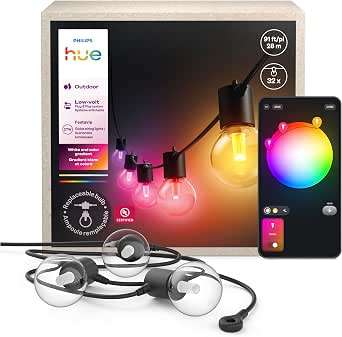
Philips Hue Festavia Globe Outdoor String Lights, 32 Bulbs, 91 ft
As an affiliate, we earn on qualifying purchases.
How the Noodle Becomes a Vase Shape
The design builds a vase-like outline from three simple parts: a loop of pool noodle for the body, a toilet paper tube for the neck and a small cardboard box for the base. Tape and hot glue connect the pieces; the paper covering then hides much of the underlying construction. The result is a craft project rather than a conventional ceramic or glass vessel.
Hunker presents the napkin treatment as decoupage, a method of layering paper onto a surface with an adhesive mixture. The report connects the suggested floral finish to an ’80s-inspired floral decor look, but that description is a style reference, not a claim that the finished item is an antique. The original report also notes that it may receive a commission from purchases made through links, a disclosure relevant to its product recommendations.
““the color of the noodle doesn’t matter as you’re going to be completely covering the surface””
— Hunker report
Water Resistance Is Not Established
The supplied instructions do not specify the finished vase’s dimensions, drying time, durability or whether any sealant is applied. They also do not say that the cardboard-and-foam construction is waterproof or suitable for fresh flowers. The article’s suggestion to use artificial blooms supports a decorative use, but it does not provide test results for the finished object.
Dollar Tree’s stated $1 price is the price cited in the report, not a guarantee of current local pricing or stock. Hunker also does not provide a separate materials cost for glue, napkins, paint or tools, some of which readers may already own.
Dry the Finish Before Display
After applying the paper layers or paint, allow the vase to dry before handling or adding stems; the source does not give a set drying period, so readers should follow the adhesive or paint label. The report’s final suggested use is to fill the piece with festive stems or artificial flowers. Anyone adapting it for fresh flowers would need a separate watertight insert, since the project instructions do not establish that the handmade shell can contain water.
Key Questions
Can the finished pool noodle vase hold water?
The source does not describe the vase as waterproof. Its foam, cardboard and paper construction is presented for decorative use, and artificial stems are the suggested option.
What materials does the project use?
The main materials are a pool noodle, a toilet paper tube, a small cardboard box, masking tape, glue and paper napkins. The assembly also calls for a utility knife, hot glue gun, paintbrush, ruler and scissors.
How is the vintage-style surface made?
The instructions use a glue-and-water mixture to attach strips of napkin paper. A white lining layer is applied first, followed by the patterned layer. Textured paint is offered as an alternative finish.
Does the pool noodle need to be new?
No. Hunker says the noodle’s color will be covered, so a faded or worn-looking one can be used if it is still workable. The report also cites Dollar Tree noodles at $1 each, but availability and prices may vary.
Source: hunker.com