
TL;DR
A TikTok creator identified as Alexandra demonstrated how to add a raised pattern to a basic glass vase with hot glue, then finish it with spray paint. The project is presented as a low-cost decor idea, but its price depends on the vase and paint, and the glued texture may not hold well on every glass surface.
A TikTok creator identified as Alexandra demonstrated a way to turn a basic glass vase into textured, vintage-style decor by applying hot glue to its exterior and coating it with spray paint. The project offers a lower-cost alternative to buying a decorative centerpiece, though its final cost and durability depend on the materials and how well the glue adheres.

Get furniture and decor delivered free with Prime
- Fast, free delivery on millions of items
- Prime Video, Amazon Music and more included
- Member-only deals all year
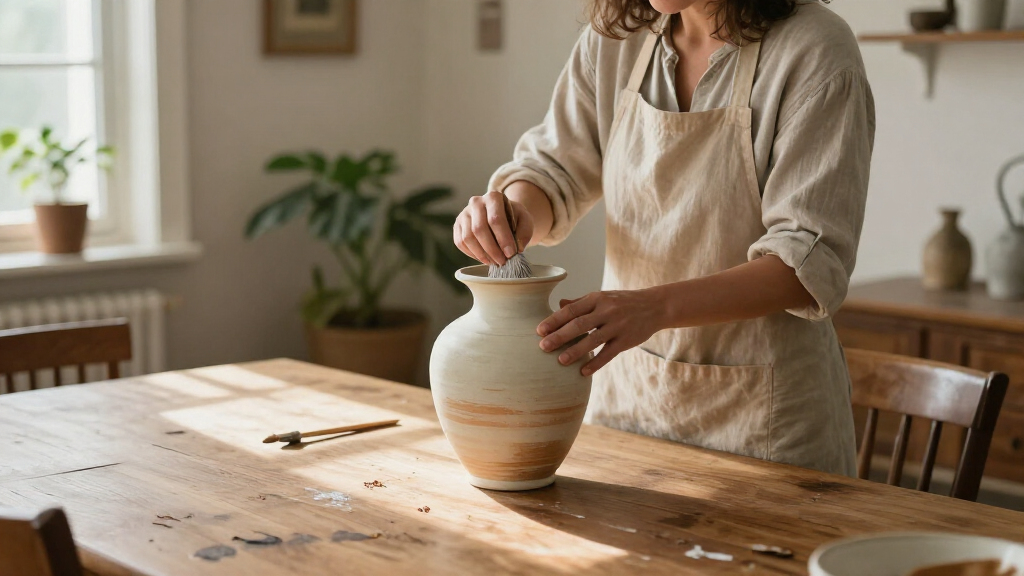
The method uses a clean glass vase, a hot-glue gun and spray paint. The instructions call for cleaning the outside with alcohol before applying glue, then drawing irregular, staggered lines around the vase. The glue should cool and harden before the vase is painted. A metallic gold finish was used in Alexandra’s example, but the color can be selected to suit a room’s decor.
After the first coat, the paint is left to dry for about 20 minutes; a second coat can be added if coverage is incomplete. The project is described as taking about an hour, including that drying period. The article presenting the idea estimates it can cost under $10 when using an inexpensive or thrifted vase, but that is not a guaranteed total: paint and other supplies may already be on hand, and prices vary.
The finished vase can be displayed by itself or styled with flowers and other accessories. The instructions suggest flowers such as roses, irises and peonies for a traditional look, while seasonal blooms can change the arrangement. It also cautions against altering a valuable antique or rare vase: the technique is intended for basic glass, not an object whose original condition or value could be diminished.
A plain vase gets a textured vintage look
Alexandra’s DIY uses hot glue and spray paint to refresh a basic glass vase. The finish is decorative, and its cost and durability can vary.
What you need
Start with a clean, sturdy vase you are willing to modify.
How the makeover works
Irregular glue lines create the raised pattern; paint brings the vase and texture together.
Wipe the outside with alcohol before applying glue.
Draw staggered lines around the vase and let the glue cool and harden.
Spray on a chosen finish. After about 20 minutes, add a second coat if coverage is incomplete.
Style it your way
The example uses metallic gold, but the finish and arrangement can suit the room.
Choose a color
Pick spray paint to complement your decor.
Add flowers
Roses, irises, peonies or seasonal blooms can complete the look.
Know the trade-offs
Treat this as a decorative experiment, not a guaranteed permanent finish.
- Refreshes a plain vase with readily available materials.
- Pattern and paint can be adapted to your space.
- Hot glue may lift from glass, especially if the surface is not clean.
- Avoid fragile, rare or valuable vases.
- Durability, care and water suitability are not established.
A Lower-Cost Centerpiece Option
The project gives renters and homeowners a way to change the appearance of a plain vase without buying a more elaborate piece. Its appeal is the use of readily available materials and a design that can be adjusted through paint color and glue pattern. That makes the result adaptable to different rooms, although the low-cost estimate depends on what the maker already owns and the price of the vase and paint.
There is also a practical limitation: the raised design is glued onto the glass rather than formed as part of it. The instructions warn that hot glue can pop off, particularly if the glass is not clean. The makeover is best treated as a decorative experiment on an inexpensive, sturdy vessel, rather than a permanent finish or a restoration method.
Products Worth Considering

Dyson Airwrap i.d. Multi-Styler with Bluetooth Connectivity

Roborock Q10 S5+ Robot Vacuum and Mop with Self-Emptying Station

Arlo Pro 2K HDR Wireless Security Camera (6th Gen), 4-Camera Kit
As an affiliate, we earn on qualifying purchases.
How the Vase Makeover Works
The technique relies on creating texture with random lines of hot glue, then using spray paint to give the glass and glue a more unified finish. The gold example was styled alongside warm accents, but the paint’s color and finish can be changed to fit the surrounding decor. The project does not require a specialty vase, and the instructions mention both a low-priced retail glass vase and thrift-store finds as possible starting points.
Material choice matters. The instructions advise using sturdier glass and say thin glass can be difficult to sand without risking breakage. Light sanding is offered only as a possible way to help the glue adhere, not as a necessary step. Anyone considering it should be cautious with fragile glass; the recommended starting point is a clean surface, and the guide specifically warns that glue adhesion may remain unreliable.
Adhesion and Cost Can Vary
The available instructions do not report how long the glue-and-paint finish lasts, whether it resists handling or moisture, or how easily it can be removed. They specifically caution that hot glue can separate from glass, particularly when the surface is unclean. The project’s appearance and durability may differ with the vase’s shape, glass condition, glue application and paint.
The under-$10 estimate is presented as possible rather than as a tested or itemized price. No exact total, shopping list with current prices, or comparison methodology is provided. The demonstration also does not establish that the finished vase is suitable for holding water; the described technique covers the exterior, and no use or care guidance is given for a water-filled arrangement.
Choose a Vase and Finish
Anyone trying the idea can begin with an inexpensive, sturdy glass vase and decide on a paint finish that suits the intended display. The instructions recommend cleaning the exterior before gluing, letting the lines cool, and allowing roughly 20 minutes of drying time after the first paint coat before deciding whether another is needed. The creator’s example uses gold, but other colors are possible.
Before starting, makers should weigh the risk that the glue may lift and avoid using a valuable or rare vase. The available account does not identify a follow-up test, durability rating or care instructions, so those details remain unknown. The project’s next step for readers is simply to decide whether a low-cost decorative finish suits a vase they are willing to modify.
Source: rss
Key Questions
What materials are used to make the textured vase?
The project uses a glass vase, a hot-glue gun and spray paint. The instructions also recommend cleaning the vase’s exterior with alcohol before applying glue.
How long does the project take?
The project is described as taking about an hour, including around 20 minutes for the first paint coat to dry. Timing can vary with the amount of glue and paint used.
Does the DIY cost less than $10?
The article says it can cost under $10 when the maker chooses a cheap or thrifted vase. It does not provide an itemized total, and actual cost depends on local prices and which supplies are already available.
Will hot glue stay attached to any glass vase?
No guarantee is given. The instructions warn that hot glue can pop off glass, especially if the surface is not clean, and recommend using sturdier glass rather than a fragile vase.
Should the technique be used on an antique vase?
The instructions advise against using it on a rare or valuable vintage vase. A basic inexpensive glass vase is a more suitable choice because the modification could affect an object’s original condition or value.
Source: hunker.com